What to see in Senegal: the essentials are Dakar and Gorée Island, Lac Rose (the Pink Lake), Saint-Louis and the Djoudj Bird Sanctuary, the Lompoul desert, the Sine Saloum Delta, the shell island of Joal-Fadiouth and the beaches of Saly. With more days, add Eastern Senegal and the Casamance. Seven days cover the first group; 9 to 14 days add the east and the south of the country.
Senegal has seven UNESCO World Heritage Sites (one of them, the Senegambian stone circles, shared with Gambia). The best time to travel is the dry season, from November to May.
What to see in Senegal depending on your days
7 days: Dakar, Gorée, Lac Rose, Sine Saloum, Fadiouth and Saly. Spanish-speaking guide, private vehicle. Program: Easy going Senegal.
8 days: Dakar, Saint-Louis, Djoudj, Lompoul, Lac Rose and Saloum. Guaranteed group departures. Program: Pearls of Senegal.
9 days: Dakar, Gorée, Saloum, Niokolo-Koba, Kédougou and Petite Côte. 4 UNESCO sites. Program: Essence of Senegal: Bedik, Bassari and waterfalls.
12 days: Gorée, flight to Cap Skirring and the Casamance. 7 nights at a fixed beach base. Program: Full Casamance.
12 days: Senegal and Gambia. 5 UNESCO sites. Program: African Symphony.
14 days: Dakar, Lac Rose, Lompoul, Bassari Country and Fathala. 6 UNESCO sites and a private safari. Program: The Senegalese Odyssey.
1. Dakar and Gorée Island (UNESCO)
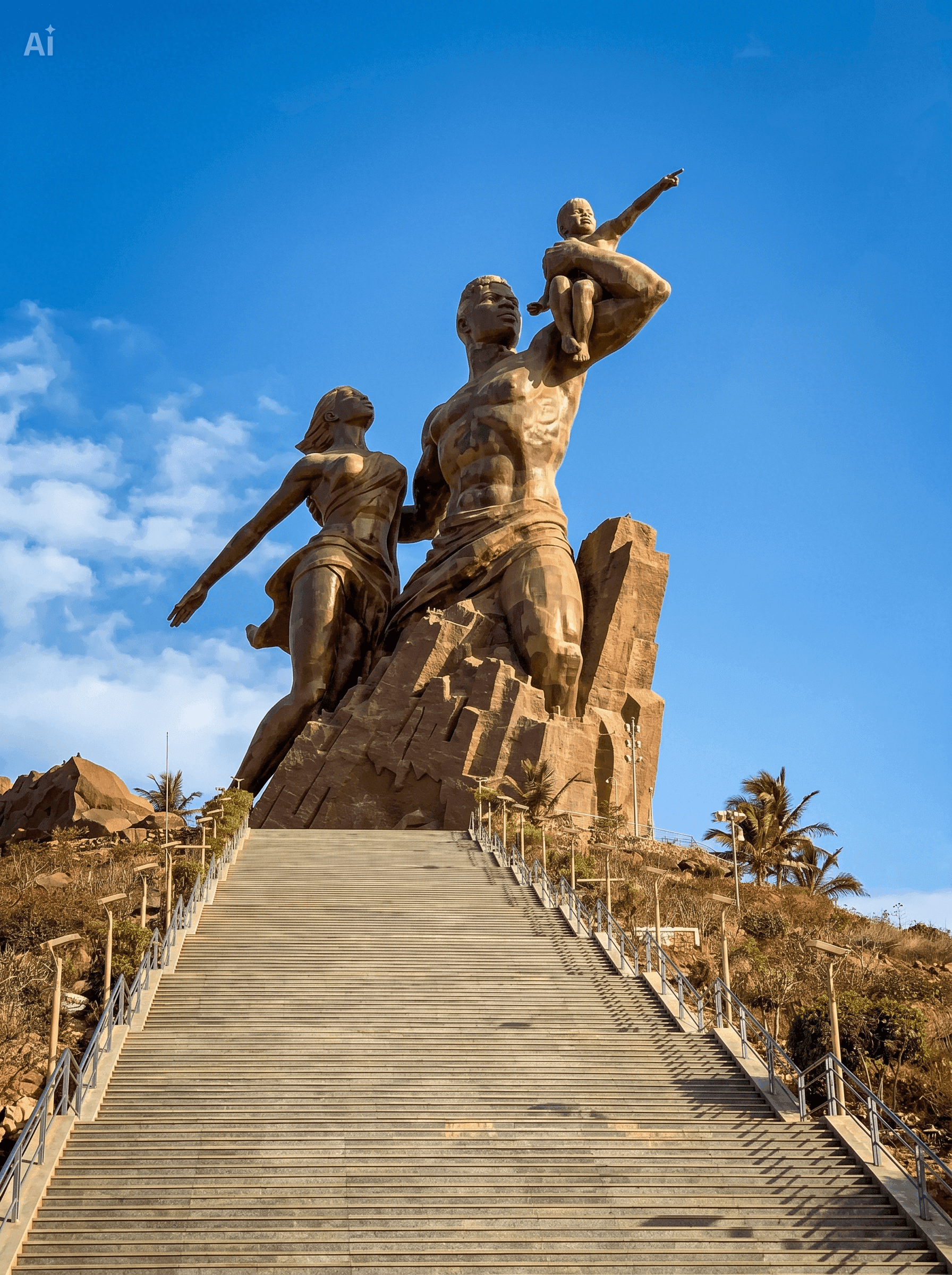
Dakar is the usual starting point: the African Renaissance Monument, the Plateau district, Independence Square and the Kermel and Soumbédioune markets. From there, a ferry takes you to Gorée Island, a symbol of the memory of the slave trade, with the House of Slaves and its colonial streets. It is the first day of almost every route. For more detail, read the complete guide to Gorée Island.
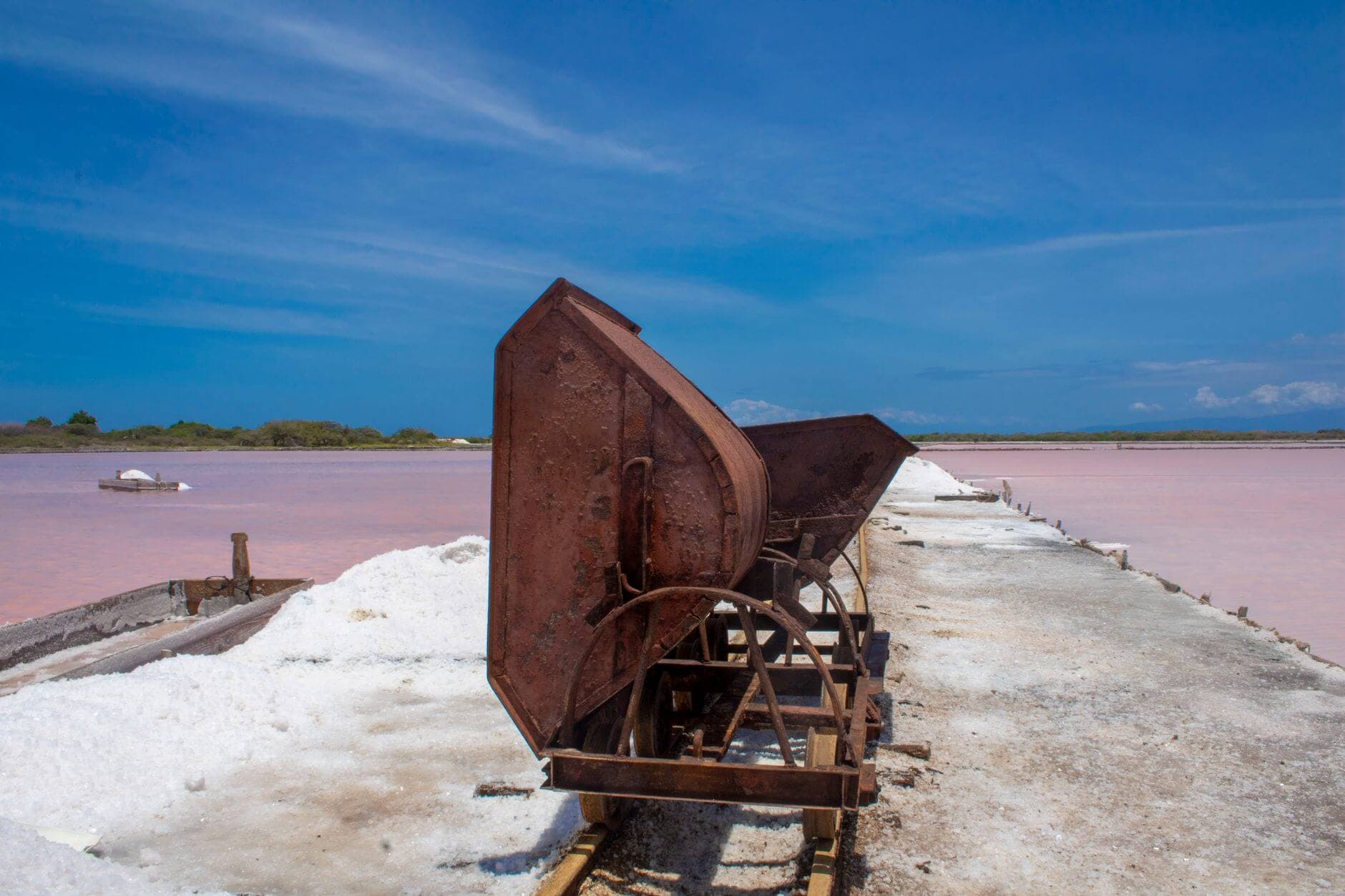
2. Lac Rose (Pink Lake)
A lake with pink waters a few kilometers from Dakar. It is visited on a short excursion with a pirogue ride, and fits well as a first day or on the way south.
3. Saint-Louis and the Djoudj Bird Sanctuary (UNESCO)
Saint-Louis, the former colonial capital, preserves its architecture and is explored by horse-drawn carriage. To the north, the Djoudj Bird Sanctuary is one of the great bird-watching sites of West Africa, with pelicans and thousands of migratory birds in season.
4. Lompoul desert
Golden dunes and a night in a camp or lodge under the stars. It is a route stop, usually one night, between Saint-Louis and the coast.
5. Sine Saloum Delta (UNESCO)
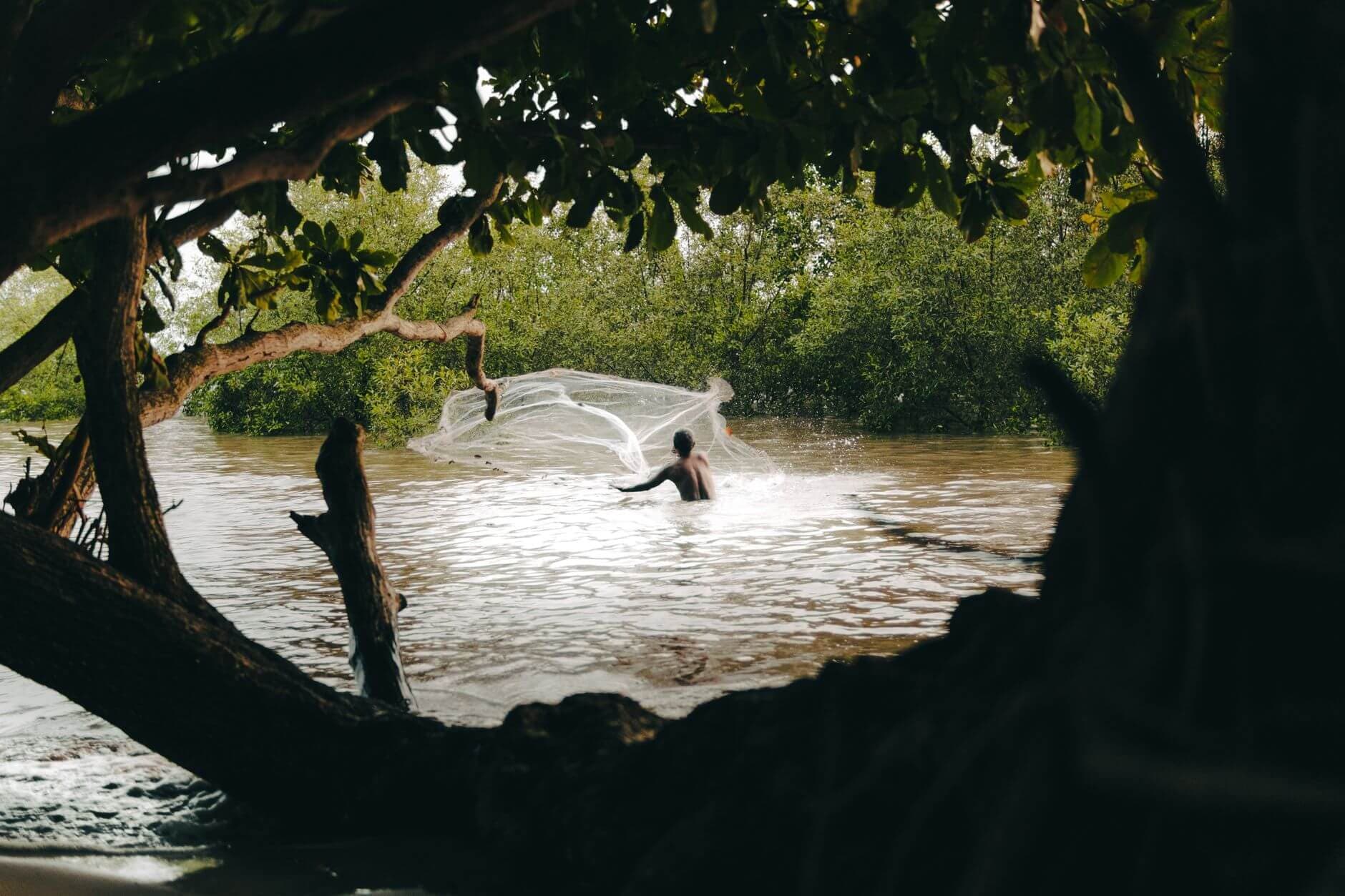
A maze of mangroves, channels ("bolongs") and islands explored by pirogue. Excursions to Mar Lodj and Mar Wandié let you discover the life of the Serer people, and it is one of the best places in the country to see birds.
6. Joal-Fadiouth, the shell island
An island built on millions of shells, linked by a wooden bridge, where Christians and Muslims have shared the same cemetery for centuries. It is visited with a local guide.
7. Saly and the Petite Côte
The Atlantic coast south of Dakar, with seafront hotels. It is the usual end of the circuits, to rest on the beach after the trip.
8. Eastern Senegal: Niokolo-Koba, Bassari Country and Dindéfelo Waterfall (UNESCO)
The least-visited part of the country. Niokolo-Koba National Park holds much of Senegal's biodiversity, and in the Kédougou mountains live the Bédik and Bassari peoples, keepers of animist traditions. The Dindéfelo waterfall closes the route. It is the core of the Essence of Senegal program.
9. Casamance: Cap Skirring, Oussouye and Carabane
The south of the country blends Diola culture and nature: impluvium-style villages such as Mlomp, the sacred forests of Oussouye and Enampor, and the mangrove delta with the islands of Carabane and Kachiouane. Cap Skirring offers white-sand beaches. You get there on a short flight from Dakar, without crossing Gambia by land. More information in Full Casamance.
10. Fathala Reserve
A reserve of about 6,000 hectares of teak forest near the Gambian border, with safaris and, as an optional experience, a walk with lions accompanied by specialized guides. It appears in The Senegalese Odyssey.
What to see in Senegal and Gambia
The Senegambian stone circles, a World Heritage Site, link both countries in a single trip. They are one of the stops of African Symphony.
Things to do in Senegal: practical tips
Best season: November to May, the dry season.
Language: NeoGeo DMC programs include a Spanish-speaking guide and a private vehicle.
Visa and vaccines: they depend on your nationality; check with your agency before traveling.
Cancellation: the published programs allow free cancellation up to 21 days before departure.
Frequently asked questions
How many days do you need to see Senegal?
Seven days are enough for Dakar, Gorée, Lac Rose, the Sine Saloum and the coast. With 9 to 14 days you can add Eastern Senegal, the Casamance or Gambia.
What to see in Senegal in 7 days?
Dakar and Gorée Island, Lac Rose, the Sine Saloum Delta, Joal-Fadiouth and the beaches of Saly, as in the Easy going Senegal program.
Which places in Senegal are UNESCO World Heritage Sites?
Seven: Gorée Island, the Island of Saint-Louis, Djoudj National Bird Sanctuary, Niokolo-Koba National Park, the Saloum Delta, Bassari Country and the Senegambian stone circles.
Can you travel to Senegal with a Spanish-speaking guide?
Yes. NeoGeo DMC programs include an accompanying Spanish-speaking guide throughout the circuit.
What is the best time to travel to Senegal?
The dry season, from November to May.
Keep reading
Want to turn this route into a trip? See the NeoGeo DMC programs and choose the length that best fits your trip.