
Saint-Louis Senegal: What to See and Do in the City of Jazz
Saint-Louis is, without a doubt, one of the most fascinating cities in West Africa. The former capital of French West Africa and colonial Senegal, this UNESCO World Heritage city combines colonial architecture, Wolof culture, jazz music, and a privileged location between the Senegal River and the Atlantic Ocean. If you wonder what to see in Saint-Louis, Senegal, get ready to discover a destination that will captivate you from the first moment.
In this comprehensive guide, we tell you about the must-visit places, the neighborhoods to explore, and the practical tips to make your trip to Saint-Louis an unforgettable experience.
The Historic Center of Saint-Louis: The Island of N'Dar
The heart of Saint-Louis is its historic island, known as N'Dar, which stretches over a narrow arm of the Senegal River. Declared a UNESCO World Heritage Site in 2000, this island concentrates most of the city's colonial architectural heritage and is the first place you should visit.
Faidherbe Square and Faidherbe Bridge
The most recognizable symbol of Saint-Louis is the Faidherbe Bridge, an impressive metal structure from the late 19th century that connects the island to the mainland. Originally designed to cross the Danube, this bridge was redirected to Senegal and is now the city's undisputed emblem. Strolling across it at sunset, with the Senegal River tinted orange, is an experience that is priceless.
Next to the bridge, Faidherbe Square is a meeting point where history, commerce, and daily life converge. Surrounded by colonial buildings with their characteristic painted wooden galleries, this square is perfect for starting any route through the city.
Colonial Streets and Creole Architecture
Getting lost in the streets of the island is one of the greatest pleasures of Saint-Louis. The pastel-colored facades, the wrought-iron balconies, and the interior patios speak of an era when this city was the nerve center of French colonial power in Africa. Be sure to notice the signares, the buildings that belonged to the influential mixed-race women who marked the city's cultural identity.
The Guet N'Dar Neighborhood: The Heart of the Fishermen
Crossing the second arm of the river, you reach the Langue de Barbarie, a narrow strip of sand that separates the river from the Atlantic Ocean. Here is the neighborhood of Guet N'Dar, one of the most dense and vibrant fishing neighborhoods in all of West Africa.
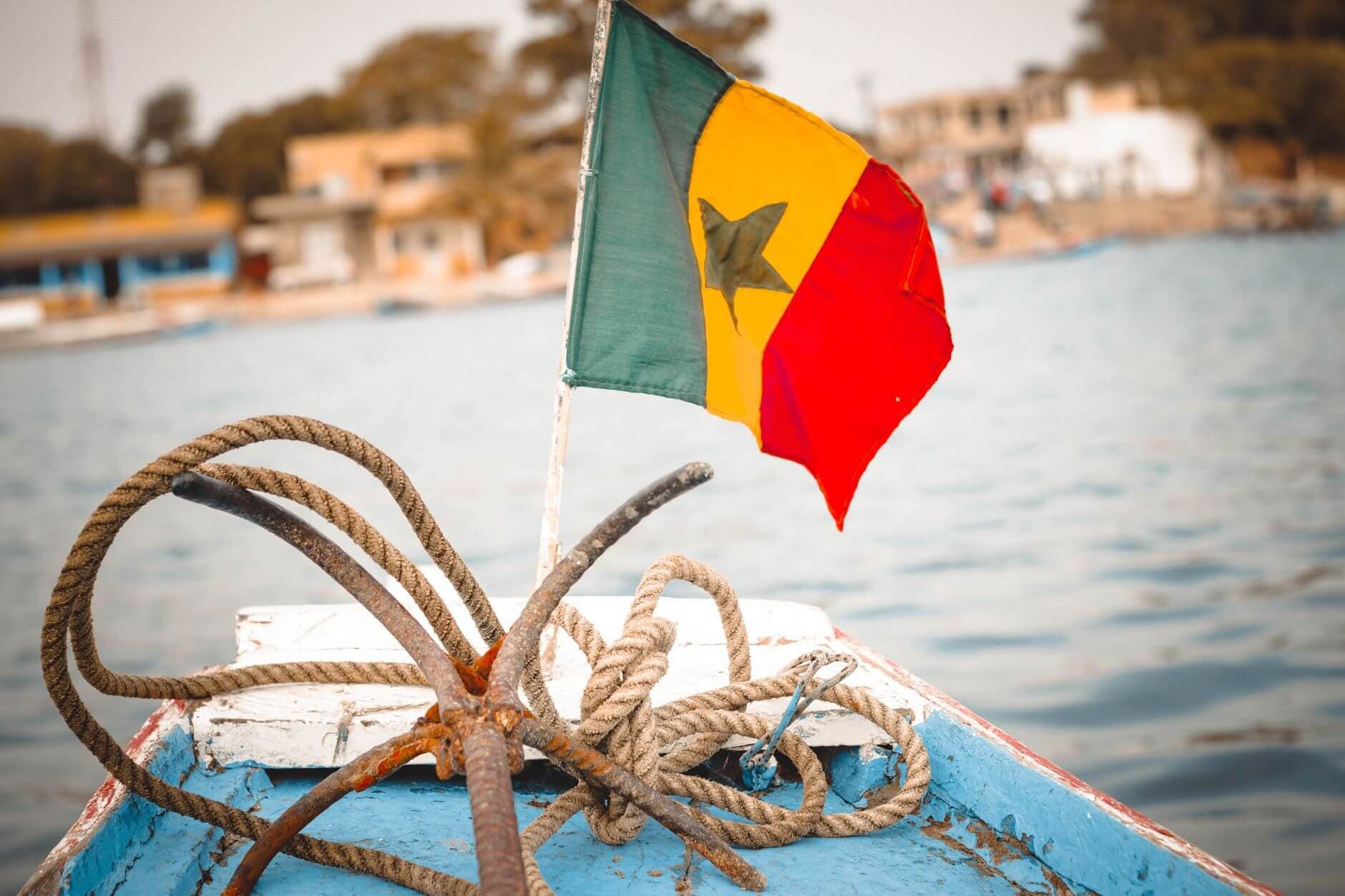
Watching the colorful pirogues — traditional wooden boats painted with geometric motifs — set out to sea at dawn is a spectacle that will leave you speechless. The bustle of the fish market, the smell of the sea, and the energy of its inhabitants make Guet N'Dar a must-visit stop to understand the true soul of Saint-Louis.
The Langue de Barbarie National Park
A few kilometers south of the city is the Langue de Barbarie National Park, a natural sanctuary of enormous ecological importance. This reserve protects a coastal strip where thousands of migratory birds nest, making it one of the best destinations for birdwatching in Senegal.
Birds and Wildlife of the Park
Among the species you can observe are white pelicans, herons, pink flamingos, and numerous species of shorebirds that use this corridor as a stopover on their migrations between Europe and sub-Saharan Africa. If you are a birdwatching enthusiast, this park will be absolutely extraordinary.
The park also hosts sea turtles that nest on its beaches during certain times of the year, making it an ideal destination for nature lovers. From NeoGeo DMC, we organize guided excursions to the Langue de Barbarie National Park adapted to all types of travelers.
The Djoudj National Park: Natural Heritage of Humanity
About 60 kilometers north of Saint-Louis is another natural treasure: the Djoudj National Bird Sanctuary, also declared a UNESCO World Heritage Site and one of the first ornithological parks in the world.
Djoudj is home to over 400 species of birds and hosts millions of migratory birds from Europe each year, seeking refuge in its wetlands during the boreal winter. Seeing the pelican colonies or the flamingos in flocks is an experience you will hardly forget. Combining it with a visit to Saint-Louis on the same trip is an option we highly recommend from our personalized itineraries.
The Saint-Louis Museum: History and Culture
To deeply understand the city's history, a visit to the Saint-Louis Museum (also known as the CRDS Museum) is essential. Installed in a former colonial building, the museum collects historical photographs, maps, ethnographic objects, and documents that narrate the evolution of Saint-Louis from its founding by the French in the 17th century to the present.
The photographic collection is particularly noteworthy: the black-and-white images of the city in the early 20th century will transport you to an era of splendor that is still perceived in every corner of the historic center.
The Gastronomy of Saint-Louis: Flavors of the River and the Sea
What to see in Saint-Louis, Senegal, would not be complete without talking about its gastronomy. The city offers a cuisine that fuses Senegalese tradition with French influences and the richness of river and sea products.
Dishes You Can't Miss
- Thiéboudienne: Senegal's national dish, a rice dish with fish and vegetables cooked in tomato sauce that in Saint-Louis reaches its maximum expression thanks to the freshness of local fish.
- Yassa de poisson: fish marinated with onion and lemon, grilled or stewed.
- Mafé: a meat stew with peanut sauce, aromatic and hearty.
- Fataya: fried dumplings filled with fish or meat, perfect for snacking while strolling around the island.
The restaurants on the island and around the Faidherbe Bridge offer options for all budgets, from small local eateries to terraces with river views where you can enjoy dinner with ambiance.
The Saint-Louis Jazz Festival
If you have the luck to visit Saint-Louis during the celebration of its famous International Jazz Festival, you will experience the city in its greatest splendor. This festival, which usually takes place in May, turns the streets, squares, and terraces of the island into outdoor stages where musicians from around the world mix with local artists.
Jazz in Saint-Louis has deep roots: the city was the cradle of important Senegalese musicians, and the influence of Afro-American music arrived here through sailors and soldiers who transited through this port. Today, the festival is one of the most important cultural events in Africa and another reason to include Saint-Louis in your next trip to Senegal.
Practical Tips for Visiting Saint-Louis
- When to go: the best time to visit Saint-Louis is between November and May, when the weather is dry and temperatures are more pleasant.
- How to get there: Saint-Louis has a small airport with flights from Dakar. It is also possible to arrive by car from the capital in approximately 3-4 hours.
- Accommodation: the historic island concentrates the most charming hotels, many installed in restored colonial houses.
- Mobility: the best way to explore the island is on foot or by bicycle. For the national park, it is recommended to hire a guided excursion.
- Security: Saint-Louis is a relatively quiet city for tourism, although, like any destination, it is advisable to take basic precautions with valuables.
From NeoGeo DMC, we design customized itineraries through Senegal that include Saint-Louis, the Saloum Delta, the Bassari Country, and many other unique destinations. Contact us, and we will help you create the perfect trip.
Frequently Asked Questions about Saint-Louis, Senegal
How many days do I need to see Saint-Louis?
With 2 full days, you can visit the city's main points of interest: the historic island, the Guet N'Dar neighborhood, and the Langue de Barbarie National Park. If you want to add Djoudj, we recommend reserving a third day.
Is Saint-Louis a safe destination for tourists?
Saint-Louis is considered one of the safest cities in Senegal for tourism. As with any destination, it is recommended not to carry unnecessary valuables and to move with caution at night in poorly lit areas.
What language is spoken in Saint-Louis?
The official language is French, but most inhabitants speak Wolof as their mother tongue. In tourist establishments, it is common to find people who speak English and, to a lesser extent, Spanish.
Can I visit Saint-Louis in a day from Dakar?
Technically, it is possible to make a day trip from Dakar, but given the distance (about 270 km) and the city's richness, it is ideal to stay at least one night to enjoy it calmly and visit the nearby national parks.
What is the best way to get to Saint-Louis from Dakar?
The most comfortable option is a private car, which takes between 3 and 4 hours depending on traffic. There are also shared transportation services (sept-place) from Dakar's bus station. From NeoGeo DMC, we offer private transfers with a guide included.