What to do in Dakar: activities, plans and excursions from Senegal's capital
Dakar is a city that captivates you from the very first moment. Capital of the westernmost point of continental Africa, it concentrates in just a few square kilometers an energy that is difficult to find anywhere else: markets bursting with color, a vibrant artistic scene, fine sand beaches bathed by the Atlantic and a gastronomy that blends Wolof tradition with French and Lebanese influences. If you're wondering what to do in Dakar, the answer is simple: plenty, and almost everything with the feeling of discovering something that very few Spanish-speaking travelers have set foot on before.
This guide is designed to guide you whether you have a couple of days in the city or want to use Dakar as a starting point to explore the rest of Senegal. You'll find plans for all travel rhythms, from the most relaxed cultural visit to the most active excursions into the interior of the country, and we'll tell you how to make the most of every hour of your stay with the support of a specialized operator.
Dakar in the city: the must-sees you can't miss
First contact with Dakar usually begins in the historic Médina neighborhood or at the bustling Sandaga market, where the hustle and bustle and colors immerse you fully in Senegalese daily life. Strolling unhurriedly through its streets, haggling with vendors and sitting at a terrace to have a mint tea is, in itself, a first-rate cultural experience. There's no need to rush: Dakar is best enjoyed slowly.
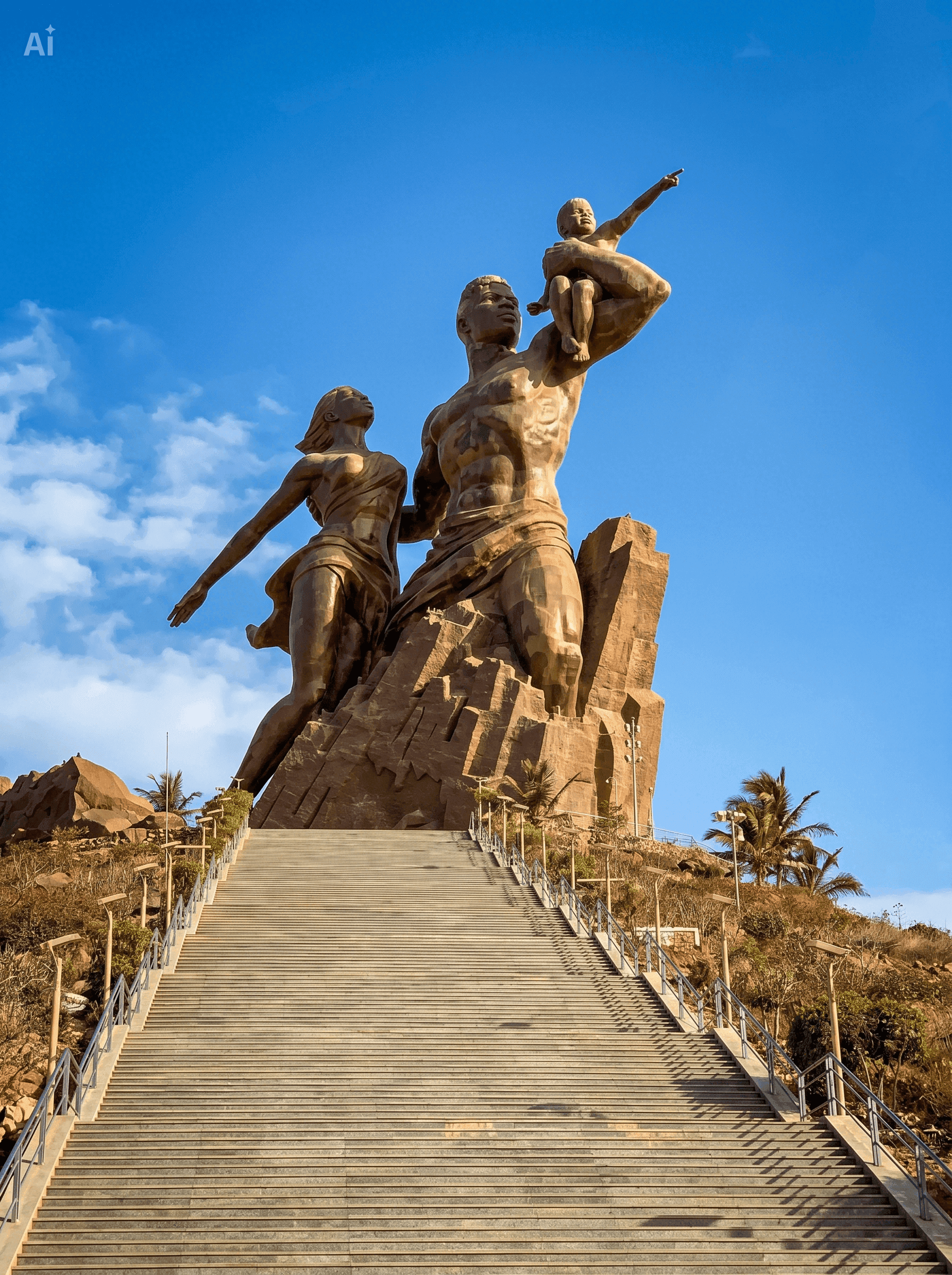
The African Renaissance Monument is another must-see stop. This imposing bronze sculpture dominates the city from the top of a hill and offers a spectacular panorama over the Atlantic and the neighborhoods stretching toward the horizon. Climbing to the summit—or simply contemplating it from the base—gives you a unique perspective on the scale and ambition of the modern city. Nearby, the IFAN Museum of African Art is one of the most complete on the continent and an essential visit to understand the cultural richness of the region.
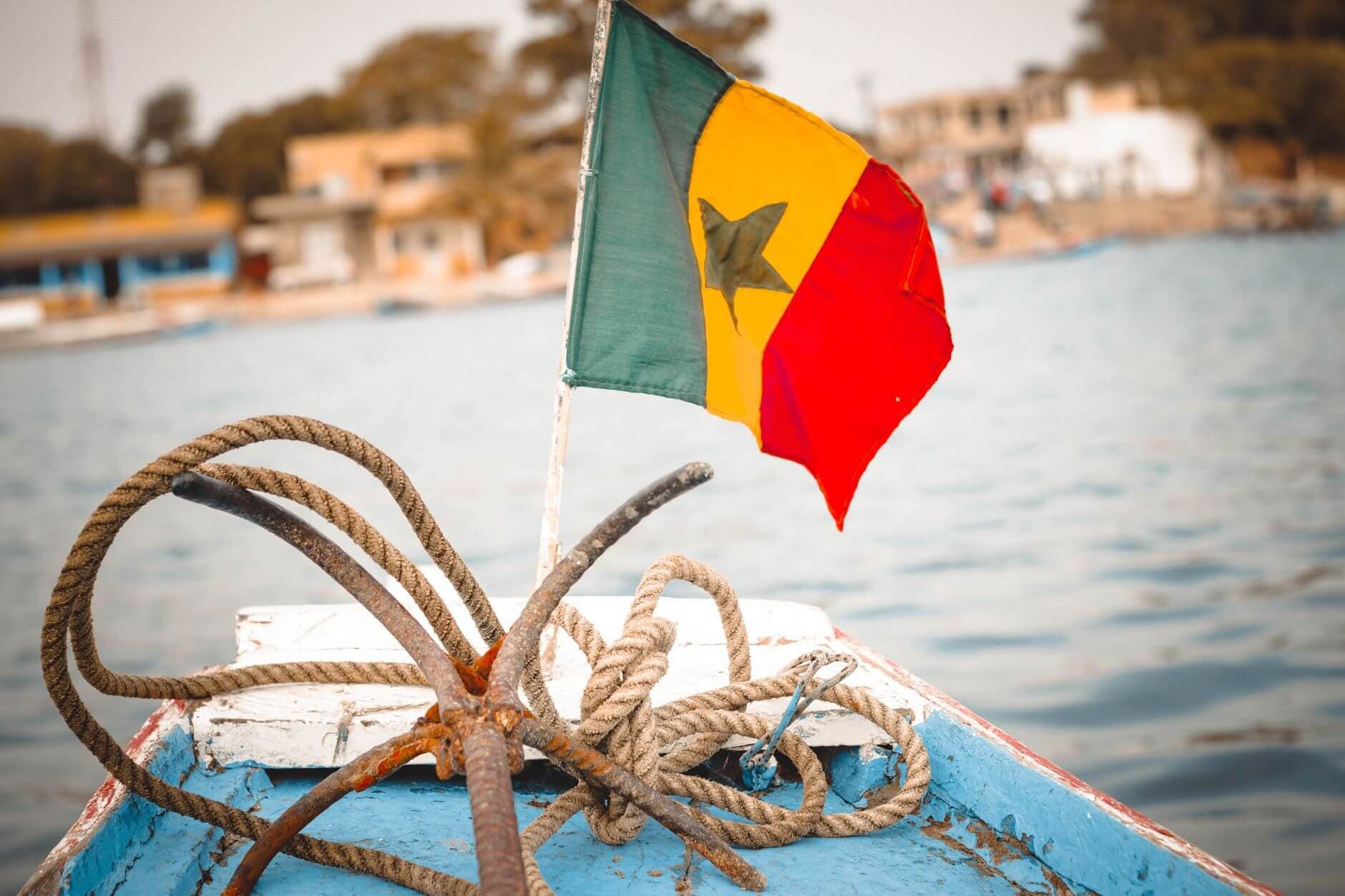
The Ngor neighborhood and Yoff beach are perfect for those seeking a more relaxed pace. Here the atmosphere is more laid-back, fishermen launch their pirogues at dawn and it's possible to enjoy a thiéboudienne—the national rice and fish dish—directly in the restaurants that line the shore. If you like surfing, the waves in the northern part of the peninsula are known among enthusiasts throughout West Africa.
Gorée Island: history and emotion twenty minutes from Dakar
Just a few minutes by ferry from Dakar's port lies Gorée Island, declared a UNESCO World Heritage Site. This small island of pastel-colored houses and car-free streets was one of the main shipping points for the slave trade between the 15th and 19th centuries, and today it is a place of memory, reflection and bittersweet beauty that impresses all who visit it.
The House of Slaves and its famous Door of No Return are the historical core of the visit, but Gorée has much more to offer: art galleries, craft workshops, colonial gardens and a calm that contrasts enormously with the dynamism of the capital. Many travelers confess that Gorée is the most emotional moment of their entire trip to Senegal, and it's easy to understand why. Booking the excursion with a local guide who explains the historical context in depth makes the difference between a superficial visit and an experience that stays with you for years.
Excursions from Dakar: beyond the capital
One of the great attractions of Dakar is its strategic position: in just a few hours of driving it's possible to reach some of the most surprising landscapes in West Africa. Excursions from Dakar allow you to combine the urban energy of the capital with nature, rural culture and the unique ecosystems that make Senegal such a special destination.
Lake Retba: a unique natural phenomenon
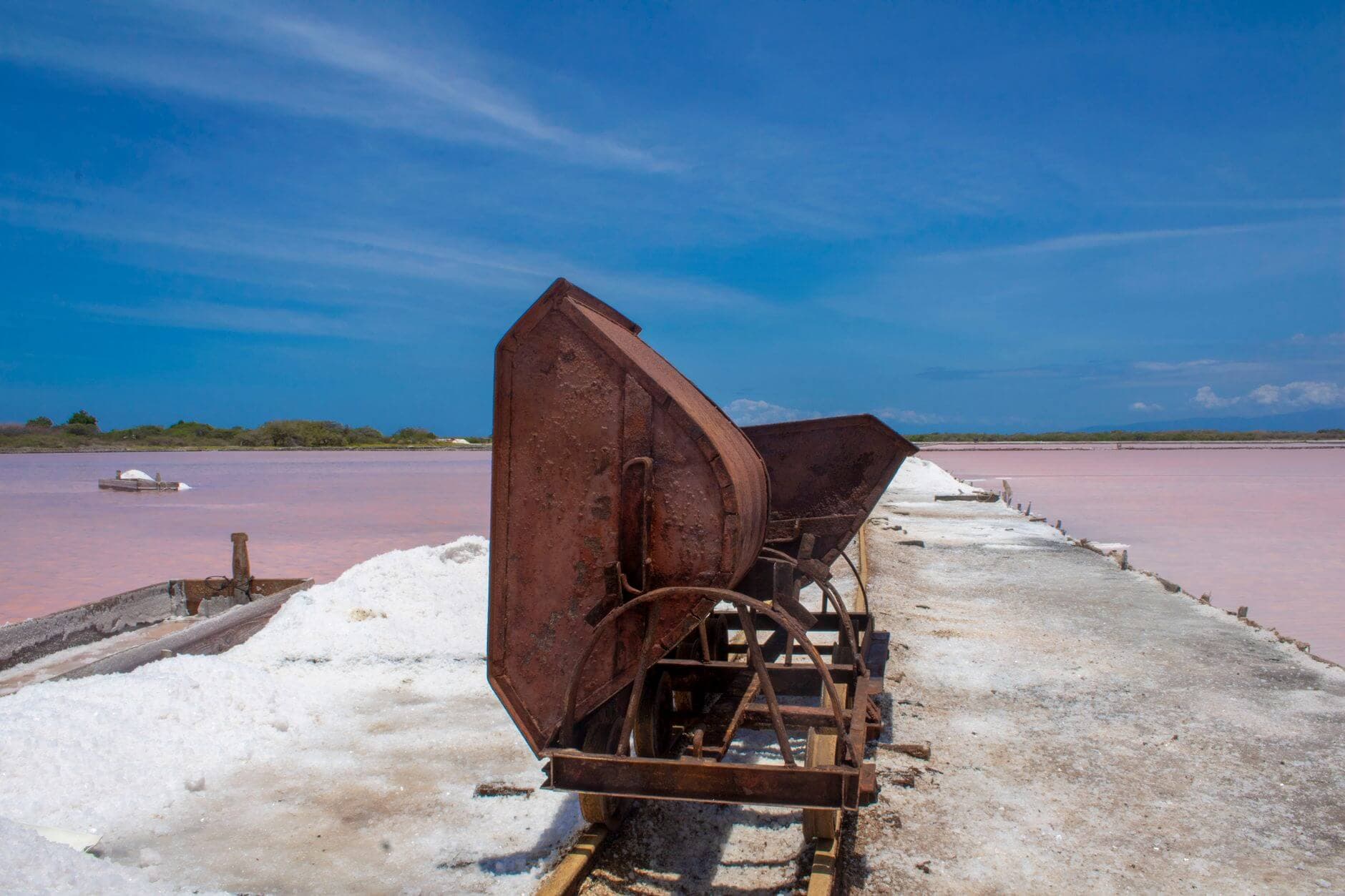
Lake Retba—officially Lac Retba—is probably the most popular excursion from Dakar and for good reason. Its intensely pink waters, colored by a microalgae that thrives in salt, form one of the most photogenic landscapes on the entire continent. The artisanal salt extraction by local workers, covered in shea butter to protect their skin, adds a human and cultural dimension that makes the visit much richer than just a photo. The lake is less than forty kilometers from the capital, making it a perfect excursion for half a day or a full day.
We offer two exclusive excursions to the Pink Lake. And if you want to try getting around like a local, you can book our excursion The Pink Lake: An Authentic Immersion.
The Petite Côte and Saly beaches
South of Dakar, the Petite Côte stretches for kilometers of golden sand beaches with calmer waters than those of the capital. The town of Saly is the most developed tourist center in the area, but travelers looking for something more authentic prefer to continue to fishing villages like Mbour or Joal-Fadiouth. The latter, built on an island of mollusk shells, is a fascinating example of coexistence between Muslim and Christian communities, and one of those places that don't appear on major circuits but leave an indelible mark.
The Saloum Delta: nature in its purest form
For nature lovers, the Saloum Delta is one of Senegal's best-kept treasures. This labyrinth of mangroves, islands and channels, also a UNESCO World Heritage Site, is home to extraordinary biodiversity: pink pelicans, flamingos, manatees and hundreds of bird species that make the area a paradise for birdwatching. Paddling in a pirogue at dawn through the mangroves, with silence broken only by birdsong, is one of those experiences that justifies a trip to Senegal on its own. From Dakar you can get there in a day, although ideally you'd stay one or two nights in one of the ecological camps in the area.
Saint-Louis and Djoudj National Park
North of Dakar, the colonial city of Saint-Louis is another of the country's major destinations. Its French-influenced architecture, its bridges over the Senegal River and its bohemian atmosphere make it one of the most photogenic cities in West Africa. Nearby is Djoudj National Park, one of the world's most important sites for migratory birds: every year, millions of specimens from Europe spend the winter in its wetlands. If you travel between November and April, this excursion is absolutely essential.
Excursions in Senegal in Spanish: the advantage of traveling with a specialized DMC
Senegal is not a mass tourism destination, and that is precisely what makes it so special. But it also means that organizing a trip independently can be complicated: the language barrier (French is the official language, although dozens of local languages are spoken), the lack of tourist signage in many areas and the difficulty in finding quality guides in Spanish are real obstacles that many travelers underestimate.
Having a local tourism operator that offers excursions in Senegal in Spanish radically changes the experience. It's not just about convenience: a guide who speaks your language and knows the country in depth opens doors that would otherwise remain closed. They take you to the markets where locals shop, explain the meaning of the ceremonies you witness, recommend the restaurant without a menu where the thiéboudienne is the best in the city. At NeoGeo DMC we design each itinerary to measure, with Spanish-speaking guides and a network of local contacts that guarantees an authentic and safe experience.
Whether you're looking for a day excursion to Lake Retba or want a two-week circuit through the entire country—from Dakar to Casamance via the Saloum Delta—we can help you build the trip that best suits your interests, pace and budget. No two trips are the same, and that is exactly the philosophy we work with.
Gastronomy and nightlife: Dakar beyond the monuments
Dakar has a gastronomic scene that surprises almost all visitors. Thiéboudienne, mafé—meat in peanut sauce—and chicken yassa are the most representative dishes, but the city also offers Lebanese and French cuisine and a growing scene of fusion restaurants that mix local ingredients with international techniques. The Almadies neighborhood concentrates some of the city's best restaurants, with terraces overlooking the Atlantic that make any dinner a special moment.
At night, Dakar takes on a life of its own. Mbalax music—the national rhythm popularized by Youssou N'Dour—plays in the city center's clubs and bars, and live concerts are a cultural experience that has no equivalent anywhere else in West Africa. Attending a live performance, even in a small neighborhood bar, is one of those things that don't appear in travel guides but that travelers remember for years.
Frequently asked questions about what to do in Dakar
How many days are enough to visit Dakar?
With two or three days you have enough time to see the main attractions of the city: the Médina, the African Renaissance Monument, the IFAN Museum and Gorée Island. If you want to add excursions to Lake Retba or the Petite Côte, ideally you should have at least four or five days in the area. To explore the country in depth, a week or more will allow you to reach the Saloum Delta, Saint-Louis or Casamance.
Is it safe to travel to Dakar as a tourist?
Dakar is, in general terms, a safe city for tourists. As in any major city, it's wise to take basic precautions: don't display valuables, avoid dark alleys at night and stay alert in very crowded areas. Traveling with a local operator who knows the terrain well adds a layer of safety and peace of mind that many travelers appreciate, especially on their first trip to West Africa.
Do I need to speak French to travel to Senegal?
French is the official language and the most useful for communicating in hotels, restaurants and with the administration. However, it's not essential if you travel with a Spanish-speaking guide. At NeoGeo DMC we offer all our excursions in Spanish, which eliminates the language barrier and allows you to connect much more deeply with the people and places you visit.
What is the best time to visit Dakar?
The dry season, which runs from November to May, is the most recommended time to visit Dakar and the rest of Senegal. Temperatures are pleasant, there is no rain and roads are in better condition, which facilitates excursions into the interior of the country. The rainy season, between June and October, transforms the landscape into lush green and has its own charm, although some areas may be difficult to access.
How do I book excursions from Dakar in Spanish?
The easiest and safest way is to contact directly with a DMC specialized in Senegal that offers Spanish-speaking guides. At NeoGeo DMC we design personalized itineraries for both individual travelers and groups, with half-day, full-day or multi-day circuit excursions. You can contact us in advance to plan your trip from home or, if you're already in Dakar, with a few days' notice to organize a custom excursion.