Trip to Senegal on your own: practical guide with 7-day itinerary
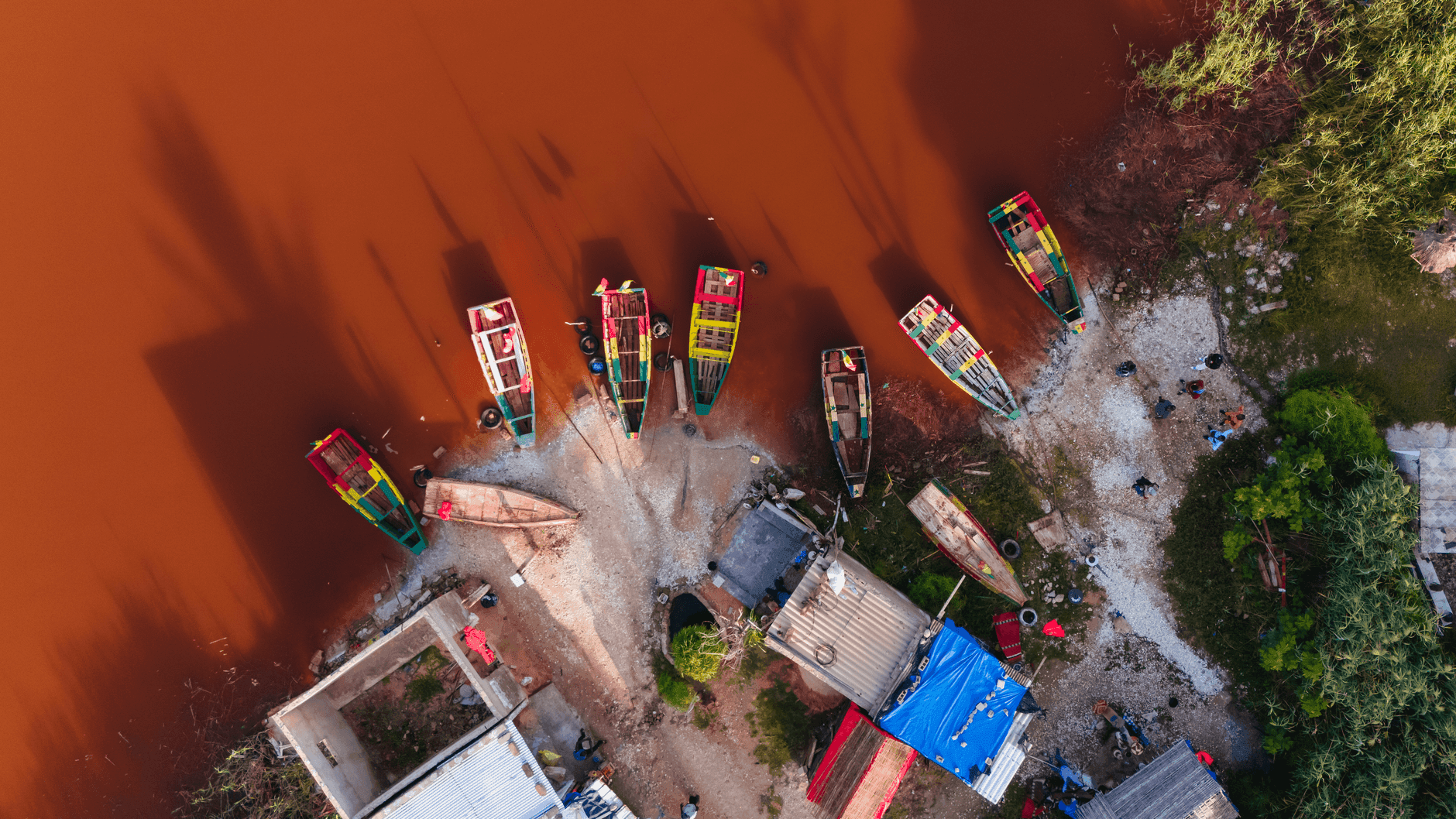
Organizing a trip to Senegal independently is one of the most enriching experiences a curious traveler can have. The country of teranga —that unparalleled hospitality that Senegalese people carry in their DNA— welcomes with open arms those who decide to explore its territory at their own pace, without the rigidity of a fixed package. From the bustling streets of Dakar to the magical quiet of the Saloum Delta, passing through the mangroves of Casamance or the pink dunes of Lake Retba, Senegal offers a geographical and cultural diversity that surprises at every turn.
That said, traveling independently requires planning. It's not about improvising everything, but about arriving with a basic structure that allows you to move with confidence and, at the same time, leave room for the unexpected encounters that define the best trips. This guide provides you with exactly that: a realistic seven-day outline, advice on transportation, accommodation and safety, and all the practical information so that your Senegalese adventure is as comfortable as it is authentic.
Why Senegal is perfect for independent travel
Senegal is one of the most accessible destinations in West Africa for the independent traveler. Its political stability, its relatively developed tourist infrastructure and the proverbial kindness of its people make it an ideal gateway to the African continent. Unlike other countries in the region, here it is relatively easy to find accommodation in different price ranges, from basic camps by the ocean to charming boutique hotels in the heart of nature.
French is the official language, which facilitates communication for those who speak it, although Wolof is the lingua franca of everyday life. Learning a few words —nanga def (how are you?), jërejëf (thank you)— opens doors instantly and generates genuine smiles. Moreover, gastronomy is another strong argument: thiéboudienne, yassa poulet or mafé are dishes that turn every meal into a small cultural ritual worth exploring at leisure, without the rush of a scheduled tour.
For all these reasons, a trip to Senegal on your own is not only viable, but can be the most satisfying way to get to know this country. That said, having the support of a local operator like NeoGeo DMC to book specific excursions —a canoe trip through the Saloum Delta, for example— allows you to enjoy the best of both worlds: the freedom of the independent traveler and the security of someone who has experts on the ground.
7-day itinerary through Senegal: from Dakar to the Saloum Delta
Days 1 and 2: Dakar, the capital that never sleeps
Landing in Dakar is diving headfirst into the energy of West Africa. The first two days are dedicated to exploring the city on foot and by local transport. The Plateau neighborhood, with its colonial buildings and the hustle and bustle of the Sandaga market, contrasts with the restrained elegance of the Medina or the modernity of the outlying neighborhoods. The island of Gorée, declared a UNESCO World Heritage Site, deserves a full morning: the ferry leaves from the main port and the journey is short, but the visit to the House of Slaves is emotionally intense and culturally essential.
To get around Dakar, car rapides and dakar dem dikk (city buses) are economical options, although taxis are also abundant and are negotiated before boarding. As evening falls, the Ngor neighborhood and its namesake beach offer a relaxed atmosphere where fishermen bring their canoes ashore while locals play football on the sand. It's everyday Senegal, unfiltered and absolutely fascinating.
Days 3 and 4: The Petite Côte and the La Somone lagoon
From Dakar, a sept-place —the shared vans that form the backbone of intercity transport in Senegal— takes you south in a few hours. The Petite Côte concentrates some of the most beautiful beaches in the country: Saly, Mbour and, especially, La Somone, whose protected lagoon is a paradise for bird lovers and water sports enthusiasts. Here you can book a kayaking excursion to venture among mangroves and spot pelicans, herons and cormorants in their natural habitat.
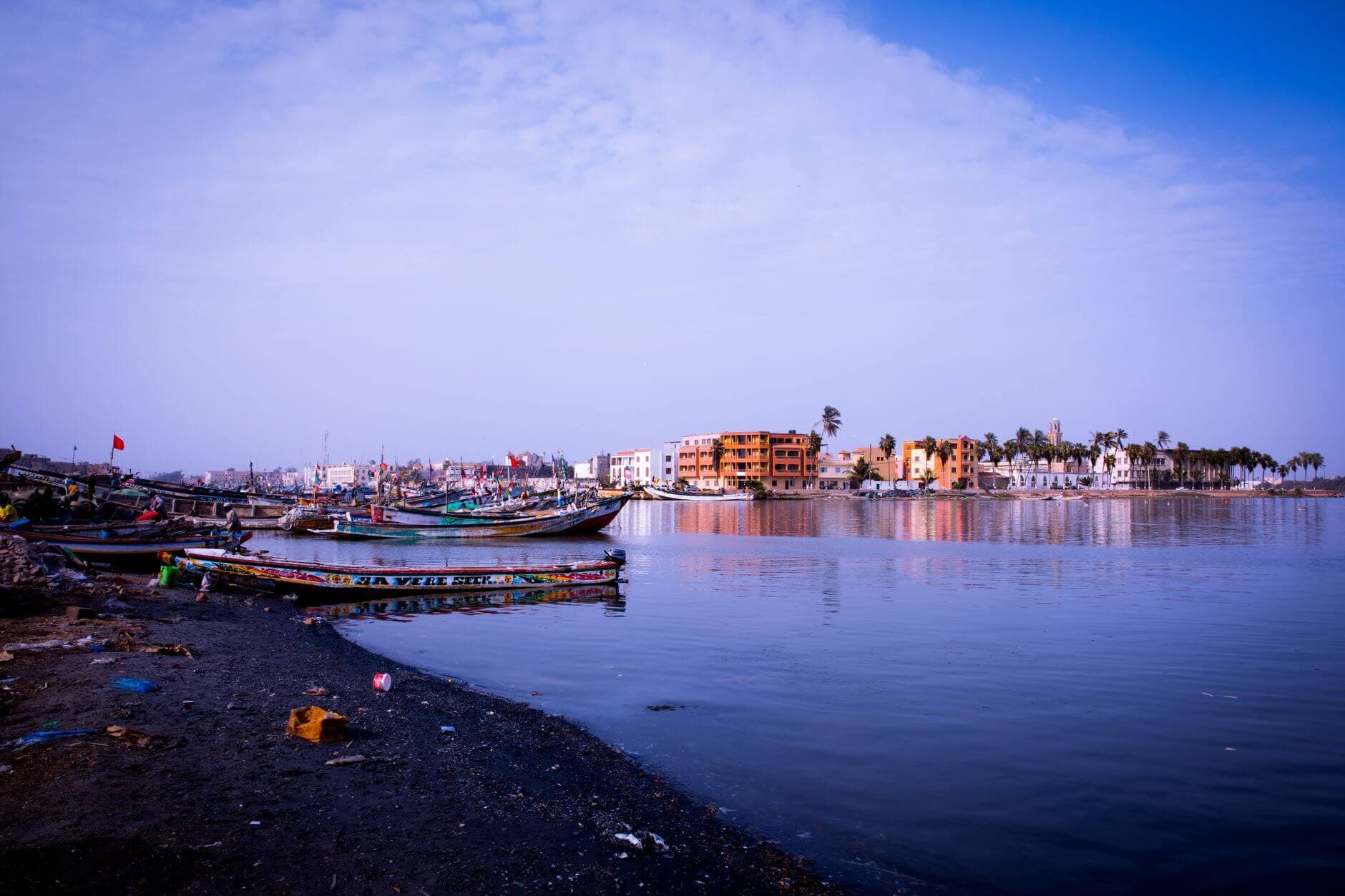
The third day is ideal for combining beach with culture by visiting the Mbour fish market, one of the most active on the Senegalese coast. The spectacle of brightly colored canoes arriving laden with catches at sunset is a scene that few photographs do justice to. The fourth day can be spent relaxing in the lagoon or exploring the surroundings of Saly at a leisurely pace, taking the opportunity to try fresh fish at one of the restaurants on the shore.
Days 5 and 6: The Saloum Delta, jewel of Senegalese nature
The Saloum Delta is undoubtedly one of the great treasures of a trip to Senegal on your own. This labyrinth of channels, islands and mangrove forests is also declared a UNESCO World Heritage Site and harbors extraordinary biodiversity. Palmarin is the perfect base for exploring the area: a tranquil village where time seems to have stood still and where eco-lodges offer total immersion in the natural environment.
Canoe excursions at sunrise are the most recommended way to discover the delta. In those early hours, the golden light cuts out the silhouettes of the mangroves and silence is only broken by the song of birds —the delta is one of the best birdwatching destinations in West Africa—. NeoGeo DMC offers guided trips from Palmarin that include visits to traditional villages and dolphin spotting, a perfect combination for those who want to go deeper without giving up the comfort of an expert guide.
Day 7: Return to Dakar and last-minute shopping
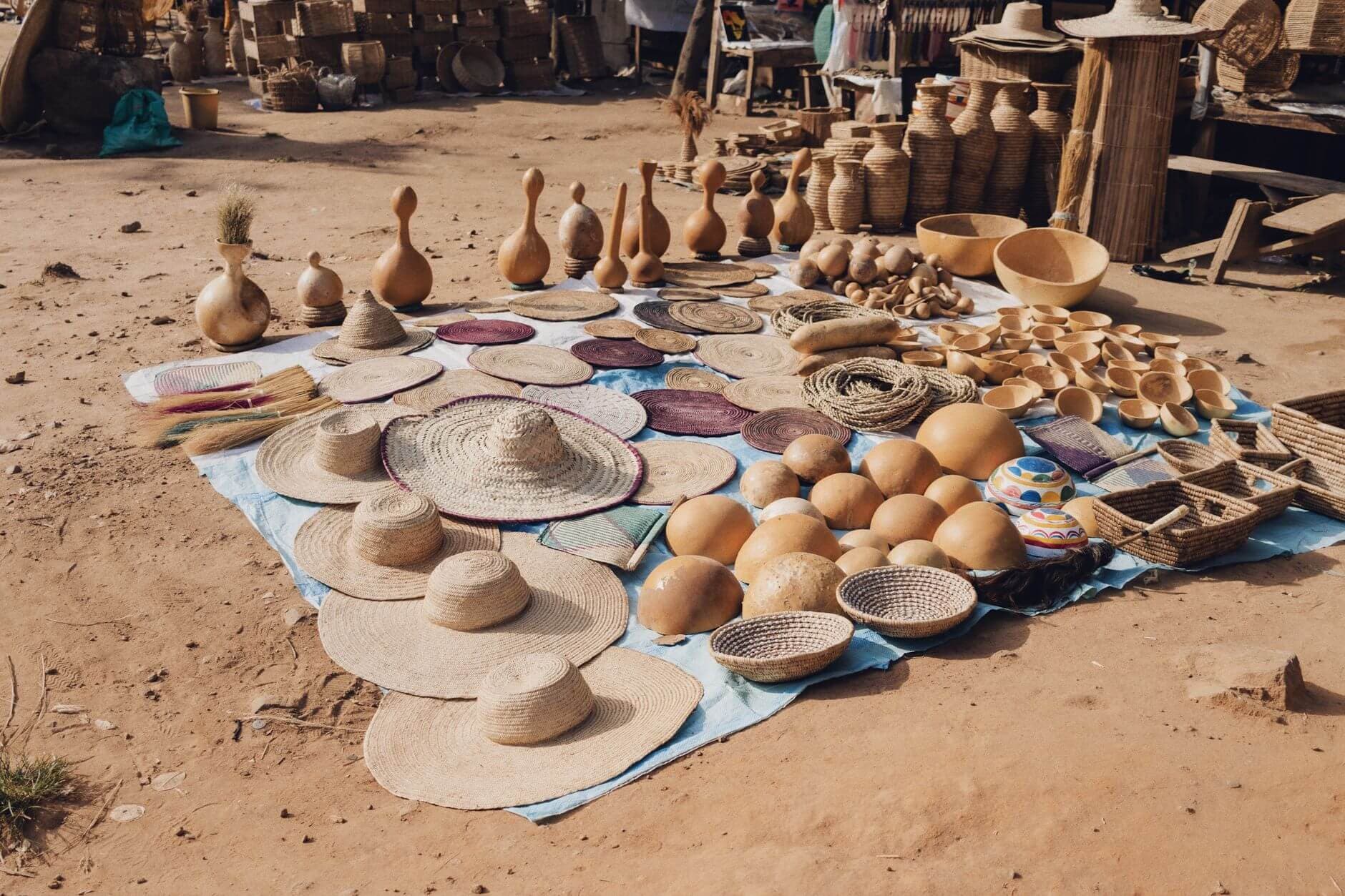
The last day is used for a leisurely return to the capital. If your departure flight is at night, there is enough time to visit the Soumbédioune craft market in Dakar, where artisans work and sell their pieces directly: bogolan textiles, wooden sculptures, silver jewelry and raffia baskets are some of the most representative souvenirs. Negotiation is part of the game, always with good humor and mutual respect.
If time permits, a final stop at the Corniche —the seafront promenade that borders the Atlantic— allows you to say goodbye to Dakar with a panoramic view of the ocean that stays engraved in your memory. Senegal has that special ability to make itself loved: when you board the return flight, you're already thinking about coming back.
How to get around Senegal independently
Public transport in Senegal works efficiently although with its own logic that is worth understanding before you arrive. Sept-places are the most used means for intercity trips: they are shared vehicles that leave when the seven seats are full, which implies some waiting at the gares routières (bus stations). The wait is part of the experience and, in many cases, is an opportunity to chat with other travelers or with locals.
For short distances within cities, taxis are comfortable and economical if you negotiate the price before boarding. In rural areas or to access more remote places like the Saloum Delta, the most practical option is to hire a vehicle with a driver through a local operator. This option, far from contradicting the spirit of independent travel, complements it: it gives you schedule flexibility and access to corners that public transport doesn't reach, without the rigidity of an organized tour.
Essential practical tips for your trip to Senegal
The best time to visit Senegal is the dry season, which runs from November to May. During these months the heat is more bearable, there is no rain and rural roads are in better condition. The rainy season (June-October) transforms the landscape into intense green and reduces the number of tourists, but some areas may become inaccessible.
As for health, it is essential to consult with a doctor specializing in tropical medicine before the trip. The yellow fever vaccine is mandatory to enter Senegal and is required at passport control. Antimalarial prophylaxis is also highly recommended, especially if visiting rural areas or the south of the country. Carrying bottled water, high-protection sunscreen and insect repellent are basics that should not be missing from your backpack.
Regarding money, the CFA franc (XOF) is the local currency. ATMs work in major cities, but in rural areas it is advisable to carry enough cash. Haggling is common in craft markets, although not in restaurants or shops with marked prices. Dressing respectfully —especially in rural areas and when visiting mosques— is a sign of consideration that Senegalese people greatly value.
Frequently asked questions about traveling to Senegal independently
Do I need a visa to enter Senegal?
Citizens of the European Union, including Spanish citizens, do not need a visa to enter Senegal for tourist stays of up to 90 days. It is enough to present a valid passport and, in some cases, proof of yellow fever vaccination. It is recommended to verify the updated requirements with the Senegalese embassy or consulate before the trip, as conditions may change.
Is it safe to travel to Senegal independently?
Senegal is considered one of the safest countries in West Africa. Political stability and the hospitality of its population make independent travelers generally feel comfortable. As with any destination, it is recommended to take basic precautions: do not display valuables, inform yourself about the areas to visit and follow the recommendations of local authorities, especially in the Casamance region, where the situation may vary.
How much money do I need for a 7-day trip to Senegal?
The budget depends on your travel style. Senegal allows you to travel economically if you opt for simple accommodations, public transport and local food, but it also offers mid-range and high-end options. In general terms, a traveler with a moderate budget can move comfortably without the need for large expenses, although it is advisable to set aside an additional amount for excursions, park entrance fees and souvenirs.
What is the best time to take a trip to Senegal on your own?
The dry season, between November and May, is the most recommended for most travelers. Temperatures are more pleasant, roads are passable and wildlife in natural parks is easier to spot because animals concentrate near water points. December in particular is very popular among European travelers who take advantage of the Christmas break to escape the cold.
Can I combine independent travel with organized excursions?
Absolutely, and in fact it is the most recommended combination. Traveling independently gives you freedom of pace and choice, while booking specific excursions with a local operator like NeoGeo DMC guarantees access to experiences that would be difficult to organize on your own: canoe trips to the Saloum Delta, bird watching with a specialist guide or visits to rural communities with an interpreter. The best of both worlds at the service of a more complete and memorable trip.