Craftsmanship in Dakar: Shopping Guide to Take the Best of Senegal
Dakar is a city that beats to the rhythm of its creativity. Its streets, markets, and workshops hide unique pieces that tell stories of generations of Senegalese craftsmen. If you're planning a trip to the capital of Senegal and want to take something more than photos, this Dakar craftsmanship shopping guide will help you find the best places, the most authentic products, and the essential tips to buy in an ethical and sustainable way.
Why is Dakar's craftsmanship so special?
Senegal has a deeply rooted craft tradition in its culture. Each piece — whether a carved wooden mask, a vibrant colored fabric, or a silver jewel — reflects the identity of the peoples who inhabit this country. In Dakar, craftsmanship is not just a tourist souvenir: it's a way of life for thousands of families and a living expression of the cultural heritage of the Wolof, Serer, Mandinka, and Diola, among others.
Moreover, the creative scene in Dakar doesn't stop evolving. Young designers combine ancestral techniques with contemporary aesthetics, giving rise to pieces that surprise both lovers of traditional art and collectors of modern design.
The best markets and shopping areas in Dakar
Marché HLM: the paradise of fabrics
If there's one place in Dakar that every fashion and textile enthusiast must visit, it's the Marché HLM. Here you'll find kilometers of printed fabrics, from the famous African wax to the basin riche, a highly valued brocaded fabric in the region. Tailors and dressmakers work in the same market, so you can order a custom-made garment in just a few hours. Prices are very competitive, and the variety is endless.
Village des Arts: where craftsmanship becomes art
The Village des Arts, located in the Sicap Liberté neighborhood, is a unique space where painters', sculptors', ceramists', and craftsmen's workshops coexist. You can walk among the studios, watch the artists work live, and acquire pieces directly from their creators. It's the ideal place if you're looking for something truly unique and with a story behind it.
Marché Kermel: colors, flavors, and memories
The Marché Kermel, situated in the heart of the Plateau, is one of the most photogenic markets in Dakar. Although it's mainly known for its flowers and fresh products, in its surroundings you'll find craft stalls, masks, sculptures, and jewelry. It's a more tourist-oriented market, so the starting prices tend to be higher, but haggling is part of the experience.
Soumbédioune: craftsmanship by the sea
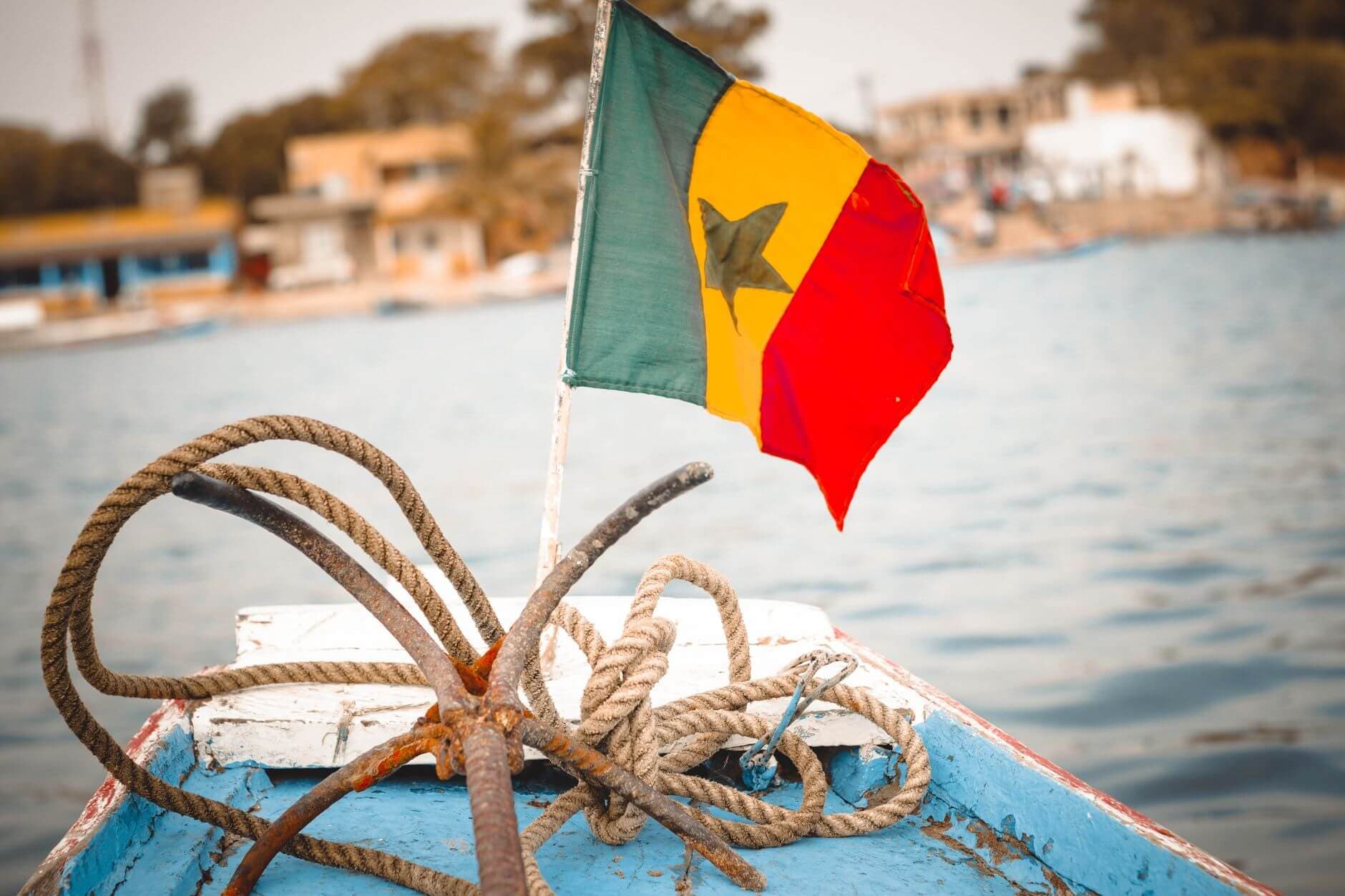
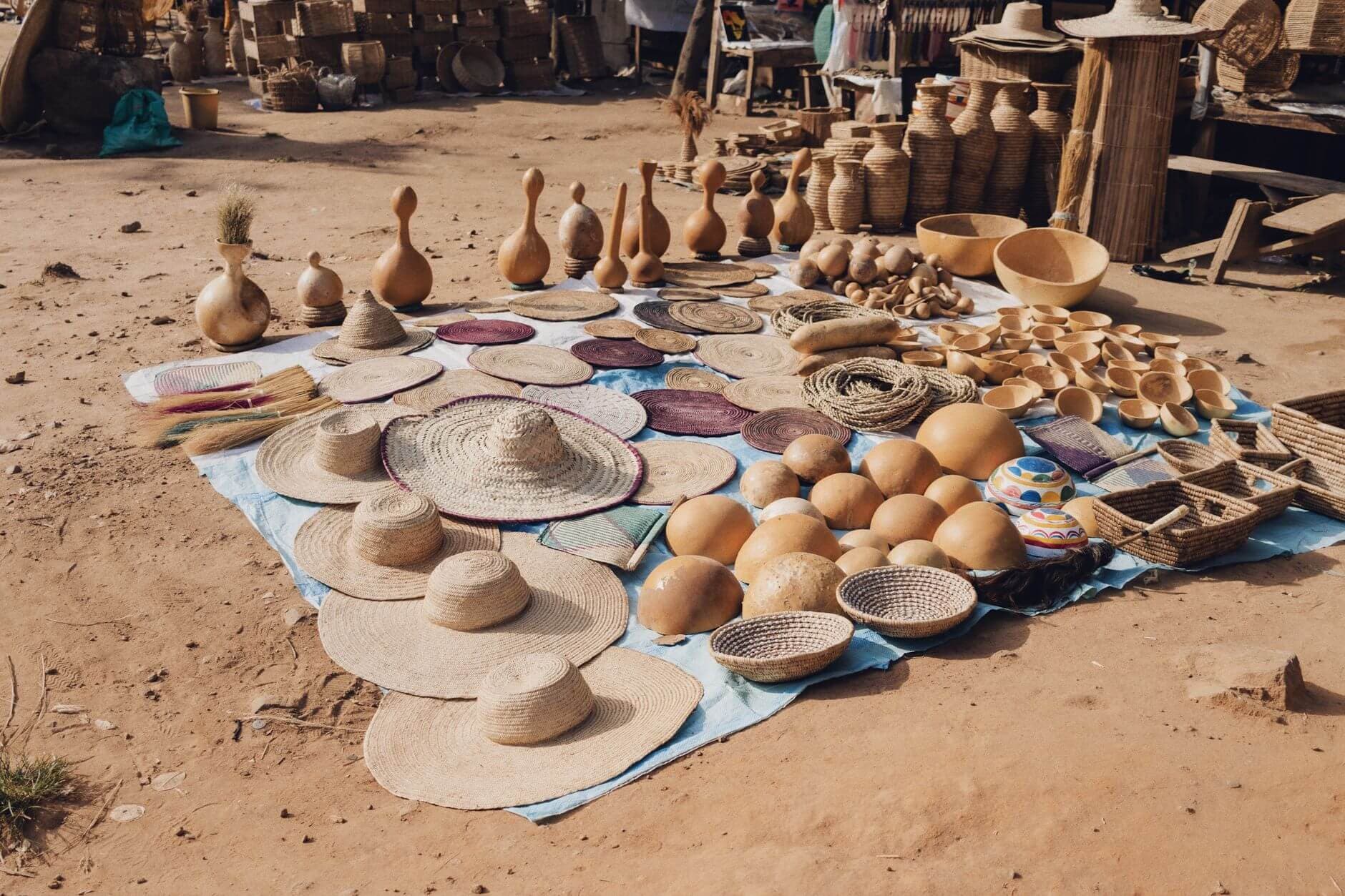
On the shores of the Atlantic, the Soumbédioune craft market is one of the most comprehensive in the city. You'll find everything from basketry and leather goods to musical instruments, glass paintings (sous verre), and wooden statuettes. The setting, with views of the fishermen and their colorful pirogues, makes the visit doubly memorable. If you book a guided tour of Dakar with NeoGeo DMC, this market is usually a must-visit stop.
Sandaga and Tilène: the pulse of local trade
For travelers who want to immerse themselves in Dakar's daily life, the Sandaga and Tilène markets offer a more authentic and less touristy experience. Here, craftsmanship coexists with spices, second-hand clothing, and all sorts of products. It's recommended to go with a local guide to navigate and negotiate with more confidence.
Typical products you can't miss buying
Wax and basin riche fabrics: African prints are perhaps the most versatile souvenir. You can use them as fabric to make clothes, as a tablecloth, or simply as a decorative element.
Glass paintings (sous verre): This painting technique, very popular in Senegal, produces vibrant images that represent everyday scenes, historical figures, or religious figures. They are lightweight and easy to transport.
Silver and bronze jewelry: Senegalese craftsmen work metal with great skill. Necklaces, bracelets, and earrings of traditional inspiration are highly appreciated.
Leather goods: Bags, belts, sandals, and wallets made from locally tanned leather, often decorated with geometric motifs.
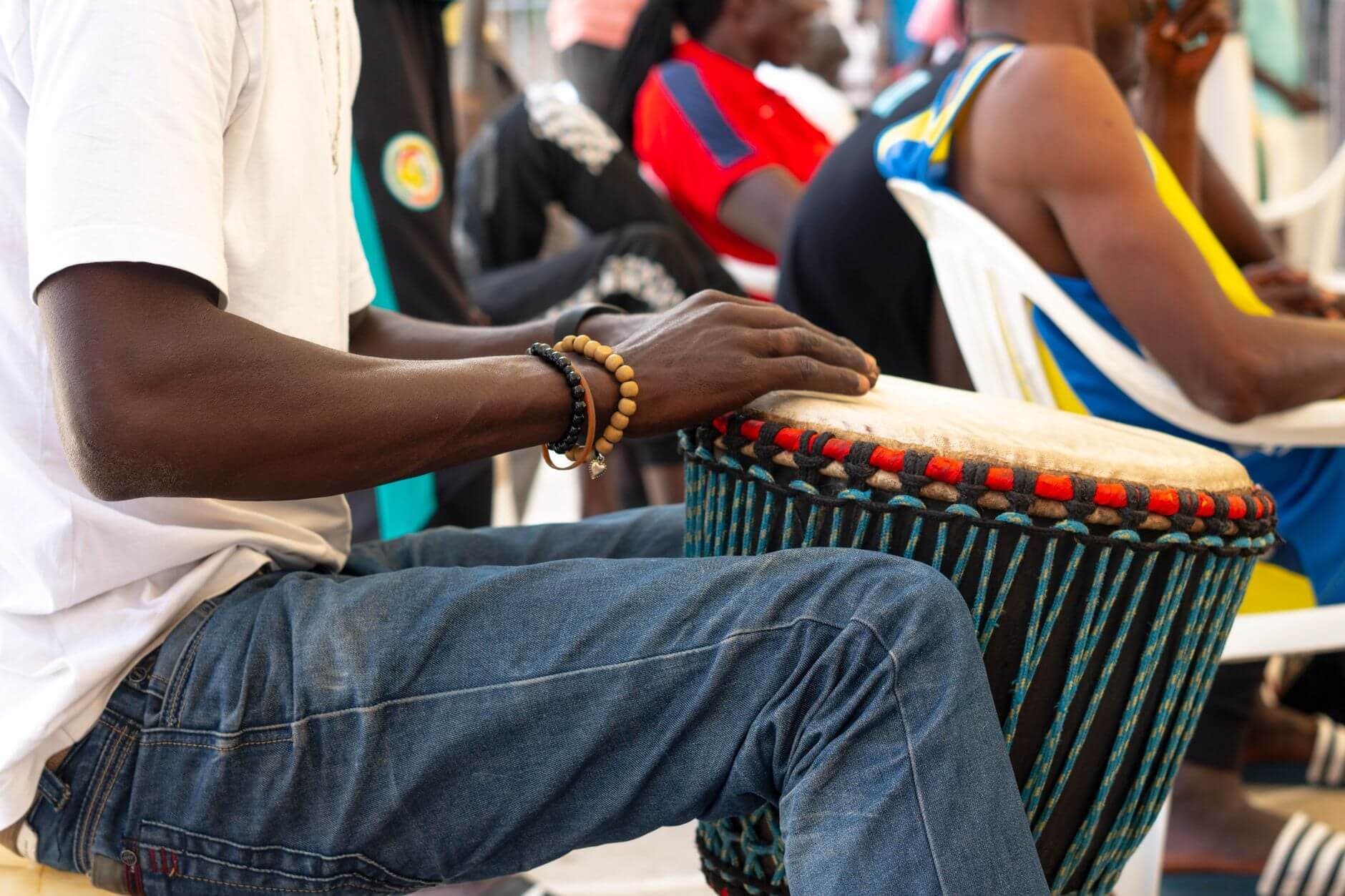
Musical instruments: The djembé and the kora are the most well-known, although you'll also find balafones and smaller percussion instruments. If size is a problem, there are smaller decorative versions.
Wooden masks and sculptures: From traditional-inspired pieces to contemporary creations, woodcarving is one of the richest artistic expressions in West Africa.
Ebony and baobab craftsmanship: Figures carved in ebony or baobab wood, with shapes ranging from animals to stylized human figures.
Tips for buying craftsmanship in an ethical and sustainable way
Haggling: an art with its own rules
In Dakar's markets, haggling is a common and expected practice. However, there's a line between negotiating fairly and pressuring excessively. As a general reference, you can start by offering between 50% and 60% of the initial price, but always with respect and good humor. Remember that behind each piece, there are hours of artisanal work: paying a fair price is also a way to support the families who live from this activity.
Buy directly from the craftsmen
Whenever possible, acquire the pieces directly from the person who made them. In addition to getting more reasonable prices, you'll have the opportunity to learn about the manufacturing process and the story behind each object. The Village des Arts and the workshops scattered throughout the Médina neighborhood are good starting points.
Avoid products made from protected wildlife
Although it's rare, in some markets, you may find pieces made from protected animal materials. Refuse these types of products: in addition to being illegal to import in many countries, they contribute to the deterioration of biodiversity.
Ask about the origin and materials
An honest craftsman will always be willing to explain where the materials come from and how the piece is made. This information will also help you understand if the product is authentic craftsmanship or mass-produced.
Bring cash in CFA francs
Most craft stalls don't accept credit cards. Make sure to bring enough cash in CFA francs (the local currency) before heading out to explore the markets. ATMs in Dakar work well in tourist and commercial areas.
How to integrate shopping into your Dakar itinerary
The good news is that Dakar is a compact and well-connected city. You can easily combine a morning of shopping at the Marché HLM with a visit to the Île de Gorée in the afternoon or explore the Village des Arts before enjoying a sunset on the Corniche. If you travel with NeoGeo DMC, our local guides know the best times to visit each market and can accompany you to make the experience more fluid and enriching.
For groups or travelers who desire a deeper experience, we also organize craftsmanship workshops where you can learn basic techniques of fabric dyeing, glass painting, or percussion with local master craftsmen. A way to take not only an object but also a skill and an unforgettable memory.
Travel with NeoGeo DMC
To combine shopping with a visit to the capital, book our Dakar and Gorée Island (UNESCO) excursion. Ask our team for a tailor-made quote.
FAQ: Frequently asked questions about craftsmanship and shopping in Dakar
What is the best craft market in Dakar for tourists?
The Soumbédioune market is the most comprehensive and accessible for tourists, with a wide variety of craft products and a very photogenic setting by the sea. For textiles, the Marché HLM is unbeatable.
Is haggling mandatory in Dakar's markets?
In traditional markets, haggling is a common and culturally accepted practice. In stores with fixed prices or in the Village des Arts, prices are usually established. Always do it with respect and good humor.
Can I carry craftsmanship from Dakar in my hand luggage?
It depends on the type of piece. Fabrics, glass paintings, and jewelry usually don't pose problems. Large musical instruments like the djembé will need to be checked. Always check your airline's rules and customs restrictions in your destination country.
How do I know if a piece is authentic craftsmanship or mass-produced?
Authentic craft pieces usually have small imperfections characteristic of manual work, and the craftsman can explain the manufacturing process. Be wary of identical pieces produced in large quantities and at very low prices, as they are usually industrial imports.
Does NeoGeo DMC organize shopping excursions in Dakar?
Yes. NeoGeo DMC includes visits to Dakar's main craft markets in many of its itineraries through Senegal. We can also organize personalized shopping experiences with a local guide for groups or individual travelers. Consult us, and we'll design the perfect plan for you.