Difference between Senegal and Casamance: two worlds within the same country
When travelers begin planning a trip to West Africa, they often discover that Senegal is not a uniform territory. Within its borders, very different realities coexist, and none illustrates that diversity better than the Casamance region. Understanding the difference between Senegal and Casamance is, in reality, understanding the richness of a country that defies any simplification and offers radically different experiences depending on which area you visit.
Casamance is not simply southern Senegal. It is a region with such a marked identity of its own that, throughout its history, it has claimed at different times its political, cultural and ethnic singularity. For the curious traveler, that nuance makes Casamance one of the most fascinating and authentic destinations on the African continent, a place where tropical rainforest dominates the Sahel and where animist traditions coexist with Islam in a way that is not found anywhere else in the country.
Geography: when landscape changes everything
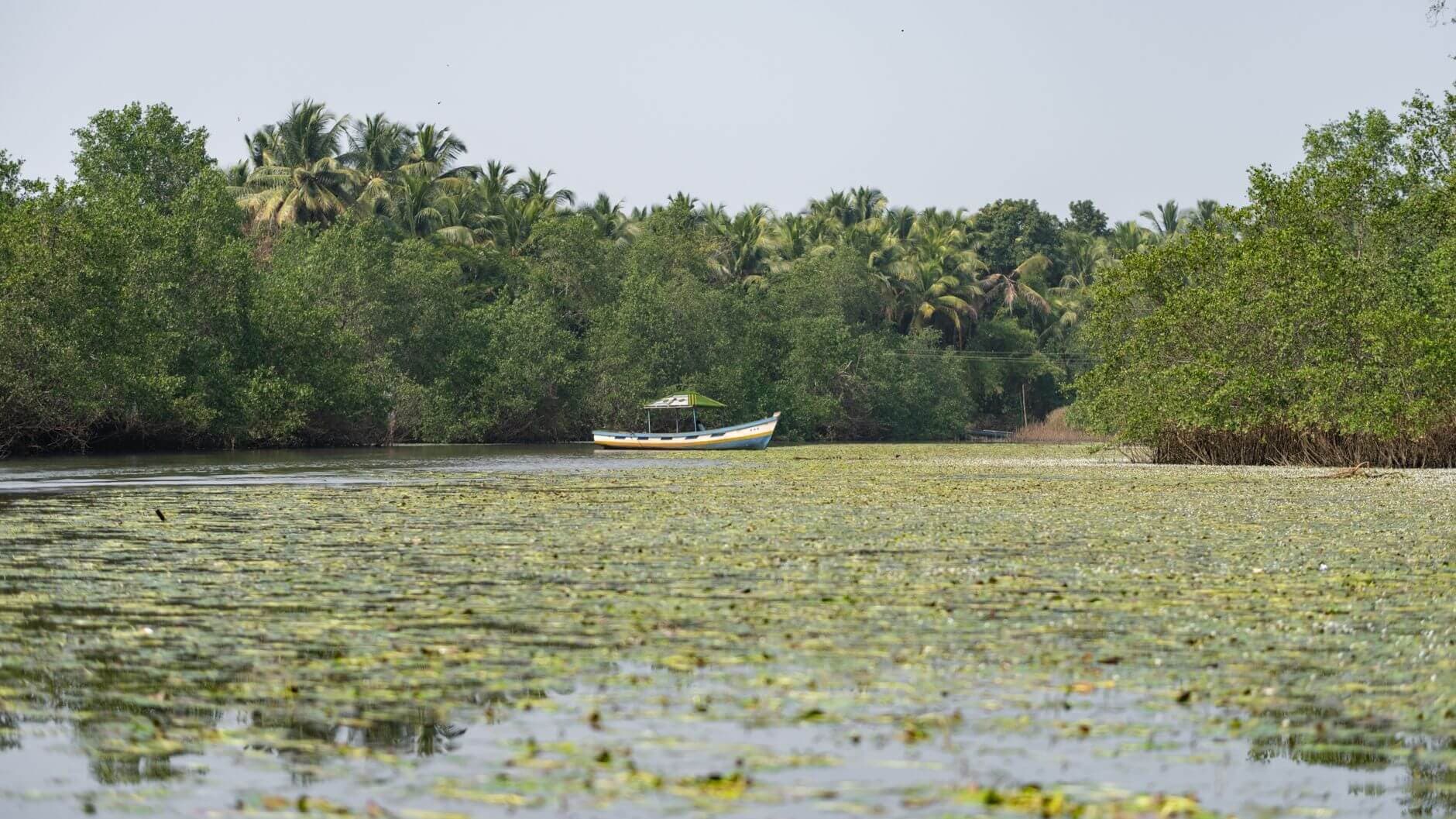
The first major difference between Senegal and Casamance is, quite simply, the landscape. The Senegal that most travelers imagine is dominated by savanna, baobabs and the arid Sahel that stretches from Dakar to Saint-Louis. It is a dry, luminous environment with open horizons that defines the visual aesthetic of the country in the collective imagination. Casamance, on the other hand, receives much higher rainfall than the north and center of the country, giving rise to lush vegetation that seems to belong to another world.
The Casamance River articulates the entire region like a backbone of fresh water that flows through mangroves, rice paddies and palm forests. Around it grow ecosystems of extraordinary richness: dense jungles, wetlands that harbor hundreds of bird species, wild beaches bordered by cashew and coconut trees. This abundance of water and vegetation contrasts sharply with the semi-arid landscape that predominates in much of Senegalese territory, and explains why Casamance has an economy, gastronomy and ways of life so different from the rest of the country.
From a geographical point of view, Casamance also has the particularity of being physically separated from the rest of Senegal by Gambia, the smallest country on the African continent, which extends like a wedge into Senegalese territory following the course of the Gambia River. This has historically reinforced the relative isolation of the region and contributed to it developing an even more differentiated identity from the north.
Ethnicities and culture: the diversity that defines Casamance
If geography is the first factor of differentiation, ethnic composition is the second and perhaps the most profound. Northern and central Senegal is dominated by the Wolof, the largest ethnic group in the country, whose language, Wolof, functions as a lingua franca in Dakar and in most of the territory. Wolof culture, strongly influenced by Islam, permeates the daily life, music, gastronomy and social customs of most of Senegal.
Casamance, on the other hand, is home to the Diola—also written Jola—a people with their own history, spirituality and traditions that clearly distinguish them from the rest of Senegal. The Diola have maintained for centuries a very close relationship with the land and water: they are rice farmers par excellence, and their system of cultivation in flooded rice paddies is an ancestral technique still practiced today. Unlike most ethnic groups in the north, the Diola do not organize themselves around royal hierarchies or traditional aristocracies, but in more horizontal and communal structures, which has given them a historical reputation for being a particularly independent and resistant people to external domination.
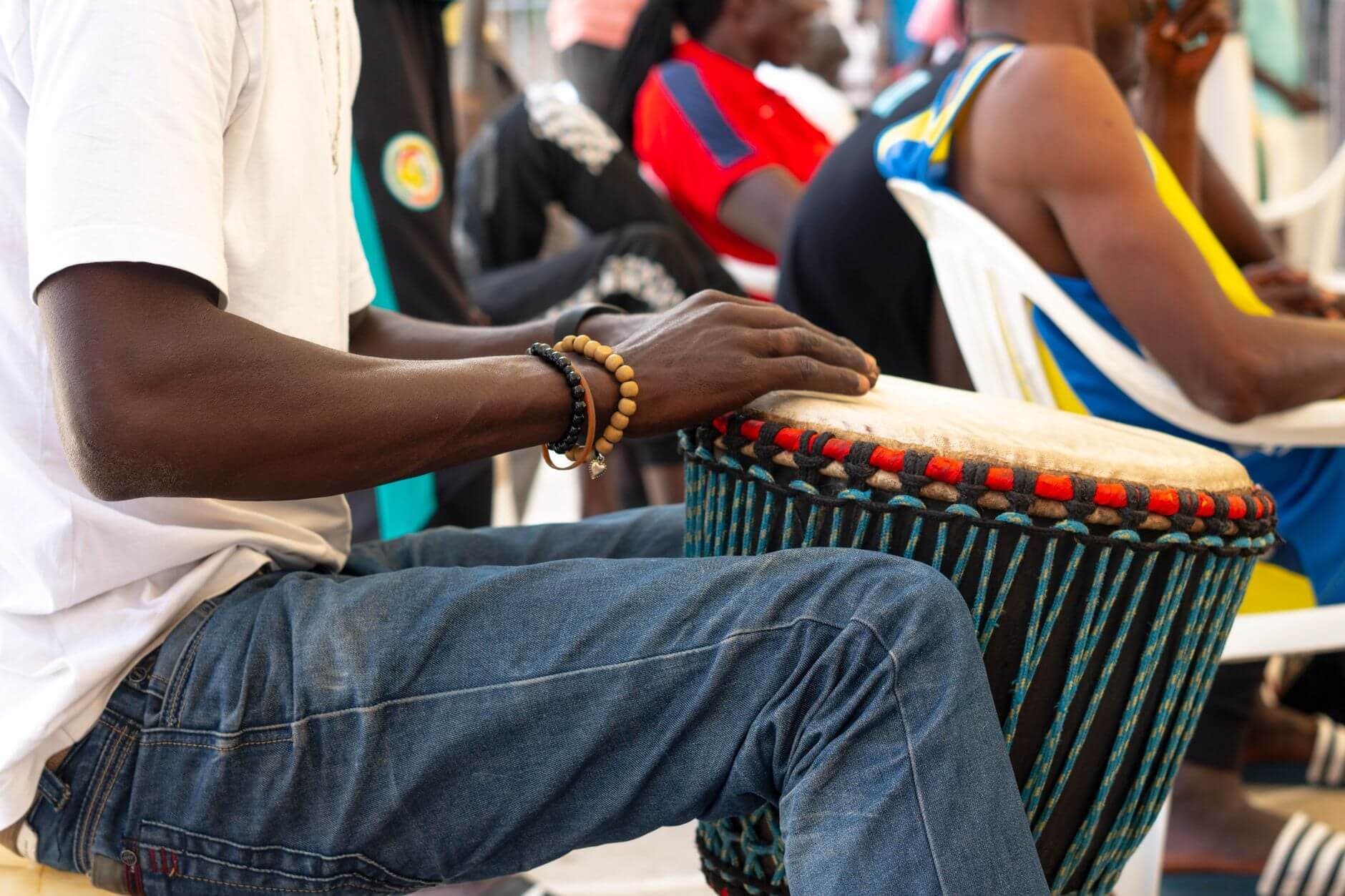
Along with the Diola, Casamance is also home to the Mandinka, Fula, Bainuk and other communities, making the region an extraordinarily rich ethnic mosaic. This diversity is reflected in music—where the rhythm of the bougarabou and initiation dances have a prominence not found in the north—in the architecture of villages, in rituals linked to the agricultural cycle and in a spirituality that mixes Islam with ancient animist practices. For the traveler interested in African culture in all its complexity, Casamance represents a unique opportunity to access traditions that mass tourism has not yet standardized.
History and tensions: the political identity of Casamance
The difference between Senegal and Casamance cannot be understood without reference to the political history of the region. Casamance was colonized by France relatively late compared to northern Senegal, and its integration into the Senegalese State after independence in 1960 was experienced by part of its population as an imposition that ignored its cultural singularity. From the late 1970s and, especially, from the 1980s onwards, the Movement of Democratic Forces of Casamance (MFDC) drove a low-intensity conflict that claimed independence or greater autonomy for the region.
That conflict, which had moments of greater tension in the 1990s and 2000s, has historically affected the perception of security in the area. However, it is important to note that the situation has improved considerably in recent years and that the main tourist areas—Ziguinchor, Cap Skirring, the islands of the Casamance River—are today accessible and relatively safe destinations for the traveler who is informed and travels with a trusted operator. As always in destinations with some complexity, the most prudent course is to consult with a local DMC that knows the reality on the ground and can design an itinerary adapted to current conditions.
This history of identity claims has left a deep mark on the collective consciousness of Casamancers, who feel Senegalese but also something more: bearers of a specific heritage that deserves to be recognized and protected. That tension between belonging and singularity is, ultimately, what makes Casamance such an intellectually stimulating destination for the traveler who goes beyond beaches and markets.
Tourism: experiences you won't find in the north
From a tourism perspective, the difference between Senegal and Casamance translates into radically different types of experience. Dakar and its surroundings offer a vibrant metropolis, Lake Rosa, the Saloum Delta and the beaches of the Petite Côte: varied tourism but relatively accessible and well-structured. Casamance, on the other hand, offers a deeper immersion in nature and local culture, with fewer concessions to comfort tourism and more opportunities for the traveler seeking authenticity.
Cap Skirring is the coastal jewel of the region: a white sand beach with turquoise waters that many consider the most beautiful in all of Senegal, with a calm atmosphere and a very different vibe from the beaches of the north. Further inland, tourist camps integrated into the jungle allow you to sleep listening to the sounds of nature, explore mangroves by canoe, visit Diola villages and participate in cultural ceremonies that would be difficult to see in any other context. Bird watching is another major attraction: Casamance is one of the best birdwatching destinations in West Africa, with species not found in the more arid zones of the north.
If your interest is discovering the least known and most authentic Senegal, Casamance should occupy a central place in your itinerary. From NeoGeo DMC we can design excursions and circuits that combine the best of both realities: the energy of Dakar and the Saloum Delta with the green and profound magic of Casamance, adapting each stage to your interests and available time.
Gastronomy: flavors that also change when crossing the river
The difference between Senegal and Casamance also reaches the plate. The gastronomy of the north is dominated by thiéboudienne, rice with fish that is the national dish par excellence, and by preparations based on millet, peanuts and tomato sauces that reflect Wolof influence and the climatic conditions of the Sahel. In Casamance, rice remains the protagonist—remember that the Diola are rice farmers—but it is prepared in different ways and accompanied by ingredients that only grow in a humid tropical environment.
Seafood is omnipresent in Casamance cuisine, taking advantage of the richness of estuaries and mangroves. Oysters, shrimp and fresh fish are prepared with techniques and seasonings unique to the region, and palm wine—a traditional beverage extracted from the palm tree—is a regular presence in cultural and festive contexts that has no equivalent in the Islamic north. This gastronomic particularity is, in itself, a reflection of the ethnic, religious and geographical differences that make Casamance a world apart within Senegal.
Travel with NeoGeo DMC
To get to know Casamance in depth, we suggest our Full Casamance: an immersion in the Diola communities circuit (12 days), which combines historic Senegal with the most authentic Casamance. Ask our team for a tailor-made quote.
FAQ: frequently asked questions about the difference between Senegal and Casamance
Is Casamance an independent country?
No. Casamance is a region in southern Senegal, not an independent state. Although there has been an active independence movement since the 1980s, Casamance is part of Senegalese territory and is administratively divided into the regions of Ziguinchor, Sédhiou and Kolda. The traveler enters Casamance with the same visa or exemption that allows them to visit the rest of Senegal.
Is it safe to travel to Casamance?
The security situation in Casamance has improved notably in recent years. The main tourist areas, such as Ziguinchor, Cap Skirring and the islands of the river, are accessible and receive visitors regularly. As in any destination with a complex political context, it is recommended to inform yourself before traveling, avoid remote border areas and have the support of a local tourism operator who knows the situation on the ground in real time.
What language is spoken in Casamance?
French is the official language throughout Senegal, including Casamance. However, the most spoken language in the region is Diola, followed by Mandinka and other local languages. Wolof, which functions as a lingua franca in the north of the country, has less presence in Casamance than in Dakar or in the central regions, which is in itself a reflection of the cultural difference between the two realities.
What is the best time to visit Casamance?
The dry season, which runs approximately from November to May, is the most recommended time to visit Casamance. During the rainy season, between June and October, rainfall is intense and some roads may become impassable. However, the wet season has its own charm: vegetation reaches its maximum splendor and the landscape acquires an intensity of green that is not seen at any other time of year.
How does Diola culture differ from Wolof culture?
The differences are profound and encompass social organization, spirituality, language, gastronomy and traditions. The Wolof, who are the majority in the north, have a society with well-defined castes and historical hierarchies, and practice Islam deeply rooted in daily life. The Diola, on the other hand, have a more egalitarian social structure, have maintained animist practices alongside Islam or Christianity, and their identity is strongly linked to rice cultivation and rituals linked to the natural cycle. Experiencing both cultures on the same trip is one of the most enriching experiences that Senegal can offer.