Back to blog

Senegalese Cuisine: thiéboudienne and the dishes you must try

Discover Senegalese cuisine: from thiéboudienne, a UNESCO World Heritage Site, to the flavors of yassa and mafé. A complete guide for curious travelers.

Published

July 17, 2026

Reading guide

6 min read

By

NeoGeo DMC

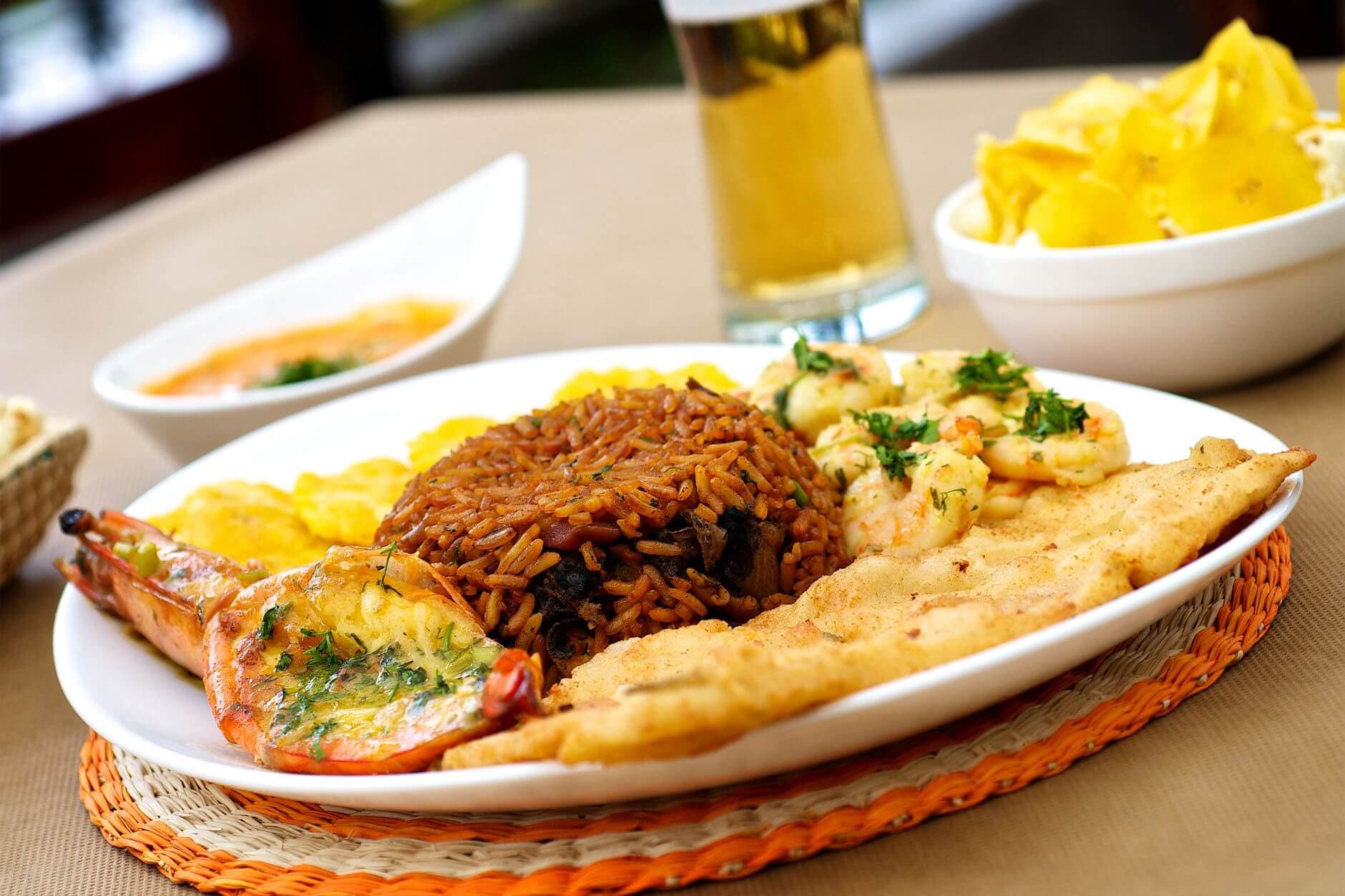
Plato tradicional de thiéboudienne senegalés con arroz, pescado y verduras en bandeja compartida

Photo by DΛVΞ GΛRCIΛ on Pexels

Pexels

Senegalese Cuisine: discover thiéboudienne and the flavors you can't miss

Traveling to Senegal is immersing yourself in a vibrant, warm, and nuanced culture. And one of the most authentic ways to get to know a destination is through its cuisine. The Senegalese cuisine is a perfect reflection of its history, geography, and people: a mix of African, Arab, French, and Portuguese influences that has given rise to one of the richest and most recognized culinary traditions in the African continent.

If you're planning your trip to Senegal, this article is your definitive guide to understanding what to eat, why each dish tells a story, and how to enjoy the Senegalese table to the fullest.

Thiéboudienne: the national dish of Senegal

Without a doubt, thiéboudienneis the star dish of Senegalese cuisine. Its name literally means «rice with fish», and in 2021 it was recognized by UNESCO as Intangible Cultural Heritage of Humanity. An honor that Senegalese people wear with pride.

What is thiéboudienne exactly?

Thiéboudienne is a hearty and aromatic dish made with cooked rice in a concentrated tomato sauce, accompanied by fresh fish (usually grouper or sea bream) and a generous selection of vegetables such as cassava, carrot, cabbage, African eggplant, and okra. The secret lies in the rof: a filling of herbs, garlic, pepper, and spices that is introduced into the fish before cooking it.

Thiéboudienne recipe: the essential steps

Although each Senegalese family has its own version, these are the fundamental steps to prepare an authentic thiéboudienne:

  1. Prepare the rof: mix parsley, garlic, green pepper, and chili pepper. Make cuts in the fish and introduce the filling.
  2. Brown the fish: fry the fish in peanut oil until it's golden brown. Reserve.
  3. Make the tomato base: in the same oil, sauté onion, tomato paste, and fresh tomato with spices like nététou (fermented locust bean) for a deep umami flavor.
  4. Add the broth and vegetables: incorporate water or fish broth and the cut vegetables. Cook over medium heat.
  5. Cook the rice: remove the vegetables and fish, and cook the rice directly in the tomato broth until it absorbs all the liquid. The toasted bottom that forms —called xoon— is the most prized bite.
  6. Assemble the dish: serve the rice in a large shared platter, place the fish and vegetables on top, and enjoy in community.

The complete thiéboudienne experience is not just about the ingredients, but about the ritual of sharing it around a large bowl with family and friends. If you have the opportunity to be invited to a Senegalese table, accept it without hesitation.

Other essential dishes of Senegalese cuisine

Thiéboudienne is the king, but Senegalese cuisine has an equally fascinating court. These are the dishes that every traveler should try:

Yassa poulet

Chicken yassa is perhaps the second most famous dish in Senegal. The chicken is marinated for hours in lemon juice, mustard, garlic, and a mountain of caramelized onions. The result is a sweet and sour stew, tender and deeply aromatic, served over white rice. There is also a fish version (yassa poisson), equally delicious.

Mafé

Mafé is a meat stew —usually beef or lamb— cooked in a thick peanut paste sauce. Creamy, nutritious, and with a unique flavor, it is one of the most comforting dishes in West African cuisine. It is served with rice or couscous.

Thiébou yapp

The land version of thiéboudienne: rice cooked in a tomato sauce with meat (usually beef or lamb) instead of fish. Just as tasty and perfect for those who are not fish lovers.

Domoda

Similar to mafé but with a lighter tomato and peanut base, domoda is a popular stew throughout the country. It is prepared with meat, seasonal vegetables, and served over rice. Each region has its own touch.

Caldou

A light fish broth with vegetables and rice, much milder than thiéboudienne. It is ideal for those who prefer less intense flavors or for the first nights in the country, when the palate is still adapting.

The flavors that define Senegalese cuisine

To understand Senegalese cuisine, you have to know its key ingredients. Some may surprise the European traveler:

  • Peanut oil: the basis of almost all Senegalese cuisine, with a neutral and smooth flavor.
  • Nététou: fermented locust bean seeds that provide an intense and deep umami flavor. The «cheese» of Senegalese cuisine.
  • Guedj and kethiakh: dried and fermented fish used as a condiment. It gives a salty and complex touch to stews.
  • Diakhatu: a local variety of small and very aromatic tomato, fundamental in sauces.
  • Spices: black pepper, cumin, bay leaf, dried pepper, and the local mix known as soumbala.

Traditional drinks and sweets

Senegalese cuisine does not end with main dishes. Drinks and desserts deserve their own chapter.

Bissap

The most popular drink in Senegal. It is prepared with dried hibiscus flowers, water, sugar, and sometimes mint or ginger. Its intense red color and its flavor between acid and floral make it irresistible, especially well chilled under the sun of Dakar.

Café Touba

A spiced coffee with selim grains (an African pepper) and sometimes cloves. It is the spiritual and social drink par excellence, offered in ceremonies and markets. Intense, aromatic, and completely different from any coffee you've ever tried.

Thiakry

A dessert made with fermented millet couscous mixed with yogurt, condensed milk, and sweet spices. Creamy and refreshing, it is the perfect ending to a Senegalese meal.

Where to eat in Senegal: tips for the traveler

To live the Senegalese cuisine in an authentic way, we recommend:

  • Les gargottes: small neighborhood restaurants where Senegalese women cook homemade dishes at very affordable prices. They are the gastronomic heart of the country.
  • Markets: in Dakar, the Sandaga Market or the Marché HLM are perfect for trying street snacks like accras of black beans or pasteles (fried fish croquettes).
  • Dakar restaurants: the capital has a sophisticated gastronomic scene that fuses Senegalese tradition with contemporary techniques.
  • Private homes: if your tour operator organizes local cooking experiences or lunches in family homes, don't hesitate. It is the most genuine way to understand the culture.

From NeoGeo DMC, we include authentic gastronomic experiences in our tours of Senegal. Check our excursions and circuits to discover Senegalese cuisine with local guides who know the best corners of the country.

Cuisine as a window to Senegalese culture

In Senegal, food is much more than sustenance: it is hospitality, it is identity, it is community. The concept of teranga —the legendary Senegalese hospitality— is expressed naturally at the table. Sharing a bowl of thiéboudienne with strangers is one of the most sincere gestures of welcome you can receive in this country.

Getting to know Senegalese cuisine is getting to know its soul. Each bite carries with it centuries of history, trade routes, cross-influences, and the ingenuity of generations of cooks who have turned humble ingredients into masterpieces of flavor.

Frequently asked questions about Senegalese cuisine

Is Senegalese food spicy?

Senegalese cuisine uses chili pepper and pepper, but it is not extremely spicy by default. The level of spiciness varies depending on the region and the family. If you are sensitive to spice, you can ask for it without chili pepper (sans piment) in most restaurants.

Can vegetarians eat in Senegal?

Although Senegalese cuisine is predominantly carnivorous and fish-based, it is possible to find vegetarian options. Thiéboudienne can be prepared without fish, and dishes like rice with vegetables or couscous with vegetable sauces are viable alternatives. In Dakar, there are more and more restaurants with vegetarian options.

What is xoon in thiéboudienne?

Xoon is the layer of toasted and crunchy rice that forms at the bottom of the pot at the end of cooking. It is the most prized bite of the dish, a kind of Senegalese socarrat. Honored guests usually receive this piece as a sign of respect and affection.

Is it safe to eat at street stalls in Senegal?

In general, street stalls with a lot of local customers are a sign of freshness and product rotation. It is recommended to choose crowded stalls, avoid raw foods if you have a sensitive stomach, and stay hydrated. Consult with your local guide for specific recommendations.

Where can I learn to cook thiéboudienne during my trip?

Several tour operators, including NeoGeo DMC, organize Senegalese cooking workshops where you will learn to prepare thiéboudienne and other traditional dishes with local cooks. It is a cultural experience that will bring the flavors of Senegal to your home.

NeoGeo DMC Blog

Related articles

More articles