Dakar Tourism: Everything You Need to Know to Visit the Capital of Senegal
Dakar is one of the most vibrant, colorful, and fascinating cities in all of West Africa. The capital of Senegal and gateway to the African continent from Europe and America, this coastal metropolis perfectly combines modernity with centuries of history, culture, and tradition. If you're planning a trip to Senegal, tourism in Dakar is, without a doubt, the essential starting point for any itinerary.
In this complete guide, we tell you everything you need to know to enjoy Dakar to the fullest: its most interesting neighborhoods, its emblematic monuments, its most authentic markets, and the experiences you can't miss under any circumstances.
Why Visit Dakar?
Dakar occupies the westernmost tip of the African continent, on a peninsula surrounded by the Atlantic Ocean. This privileged geographical position gives it a pleasant climate, spectacular coastal landscapes, and a unique energy that blends African, French, and Arab influences. The city is also an important cultural, artistic, and gastronomic center that surprises all travelers who visit it.
Far from being a transit city, Dakar deserves at least three or four days of quiet exploration. Its neighborhoods have their own personality, its gastronomy is one of the best in Africa, and its people, the Dakarois, are recognized for their hospitality and the famous Senegalese concept of teranga (welcome).
Main Tourist Attractions in Dakar
The African Renaissance Monument
Imposing and controversial in equal measure, the African Renaissance Monument is Dakar's most iconic structure. With over 49 meters in height, this bronze statue represents an African family looking out to the Atlantic Ocean. From its viewpoint, you get one of the best panoramas of the city and the Senegalese coast. It's a must-visit to understand the identity and aspirations of modern Senegal.
Gorée Island
Just 20 minutes by ferry from Dakar's port, Gorée Island is one of the most exciting and historically relevant places in all of Africa. Declared a UNESCO World Heritage Site, this small island was one of the main slave embarkation points during the 17th to 19th centuries. Today, it's a place of memory, reflection, and also great architectural beauty, with its colorful colonial houses and car-free streets. The Museum of the House of Slaves is the most impactful visit on the island.
The Great Mosque of Dakar
One of Senegal's most important religious buildings, the Great Mosque of Dakar is a symbol of Islam in West Africa. Its Moroccan-style architecture, with white minarets and decorated interior, impresses believers and non-believers alike. It's located in the heart of the Médina neighborhood, and its visit can be combined with a stroll around the area.
The Plateau Neighborhood
Plateau is Dakar's administrative and commercial center, where you'll find the city's most representative colonial buildings. Walking through its avenues is like taking a journey through time: French architecture coexists with local shops, street vendors, and the bustle typical of an African capital. Here, you'll also find the IFAN Museum, one of the best museums of African art and culture on the continent.
Dakar's Beaches
Dakar has several accessible urban beaches with a lot of atmosphere. N'Gor Beach and the Les Almadies area are especially popular among locals and tourists. Beyond swimming, these beaches are social meeting points where you can enjoy grilled fresh fish, watch artisanal fishermen, and, in some spots, practice surfing thanks to the Atlantic waves.
The Market of Dakar: An Essential Experience
No visit to Dakar is complete without immersing yourself in the sensory experience of its markets. The market of Dakar is, in reality, a set of commercial spaces scattered throughout different neighborhoods of the city, each with its own personality and specialty.
Sandaga Market
The Sandaga Market is the most famous and crowded in Dakar. Located in the heart of Plateau, this open-air market is a labyrinth of colors, smells, and sounds where you can find almost everything: African wax-printed fabrics, local handicrafts, spices, tropical fruits, electronics, and much more. It's the perfect place to practice haggling and take home an authentic Senegalese souvenir.
HLM Fabric Market
For fashion lovers and African textiles enthusiasts, the HLM Market is paradise. In this specialized market, you'll find the best wax, bazin, and other traditional fabrics at very competitive prices. It's where the Dakarois go to order their traditional suits and dresses, and where tourists can buy meters of fabric to take home.
Kermel Market
More tranquil and orderly than Sandaga, the Kermel Market is an old iron structure with French influence where flowers, fruits, vegetables, and handicrafts are sold. It's especially popular among expatriates and tourists looking for a more accessible market experience. Its colonial architecture also makes it a photographic attraction.
If you want to discover Dakar's markets with a local guide who can help you navigate the stalls, negotiate prices, and learn the stories behind each product, our urban tours of Dakar are the ideal option. Contact NeoGeo DMC to design your personalized experience.
Dakaroise Gastronomy: Flavors of West Africa
Dakar's gastronomy is one of its greatest attractions. Senegalese cuisine is considered one of the best in Africa, and in Dakar, you can find everything from sophisticated restaurants to small, popular eateries where locals have lunch daily.
Thiéboudienne: Senegal's national dish, a rice and fish dish cooked in tomato sauce. An absolute must.
Yassa chicken: chicken marinated in lemon and onion, grilled. Simple and delicious.
Mafé: a meat stew with peanut sauce, aromatic and hearty.
Bissap: the local drink par excellence, made from hibiscus flowers. Refreshing and very typical.
Restaurants in the Almadies neighborhood and the Ngor area offer an excellent quality-price ratio with ocean views. Don't leave Dakar without trying the grilled fresh fish at one of the beach bars.
How can I visit Dakar and have everything well organized?
Dakar is the gateway to our 8-day trip to Senegal. If this guide has inspired you to discover it in person, you can do so as part of Perlas de Senegal, our circuit that combines the capital with the Lompoul desert, Saint-Louis and the Saloum Delta.
Practical Tips for Visiting Dakar
When to Go
The best time to visit Dakar is between November and May, during the dry season. The temperatures are pleasant, the sky is clear, and there's no rain. Avoid the months of July to September if you're sensitive to humidity, as it's the rainy season.
Getting Around the City
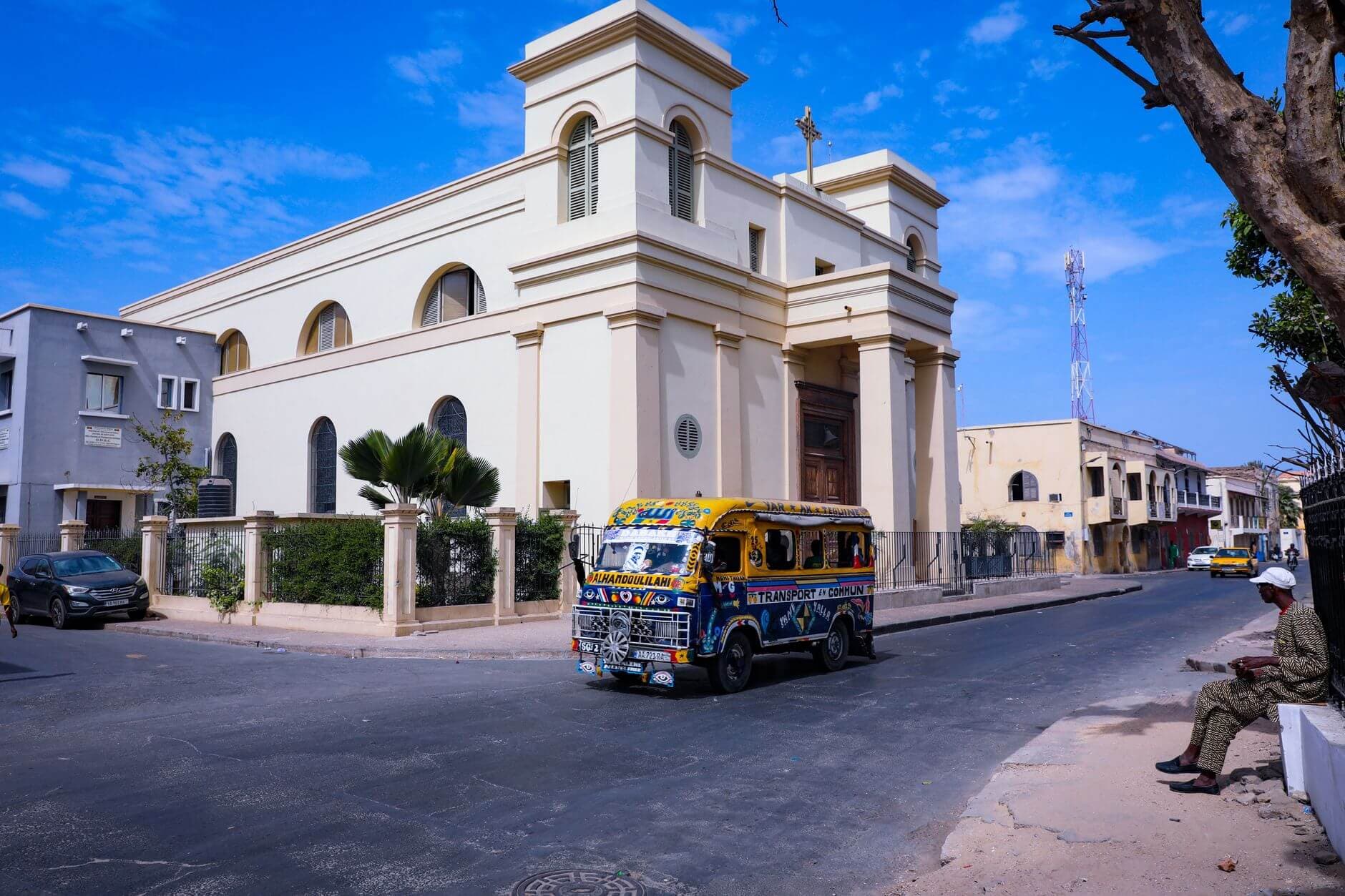
Dakar has a network of taxis, mototaxis, and local minibuses known as car rapides. For tourists, negotiated taxis or transport apps are the most comfortable and safe options. There are also private transfer services that NeoGeo DMC can arrange for you.
Safety
Dakar is, in general, a safe city for tourism. As in any major city, it's recommended to take usual precautions: don't display valuables, avoid poorly lit areas at night, and prefer licensed taxis.
Language and Currency
The official language is French, although Wolof is the most spoken language on the street. The CFA franc (XOF) is the local currency. Euros are accepted in some tourist establishments, but it's recommended to exchange money at official exchange offices.
Excursions from Dakar
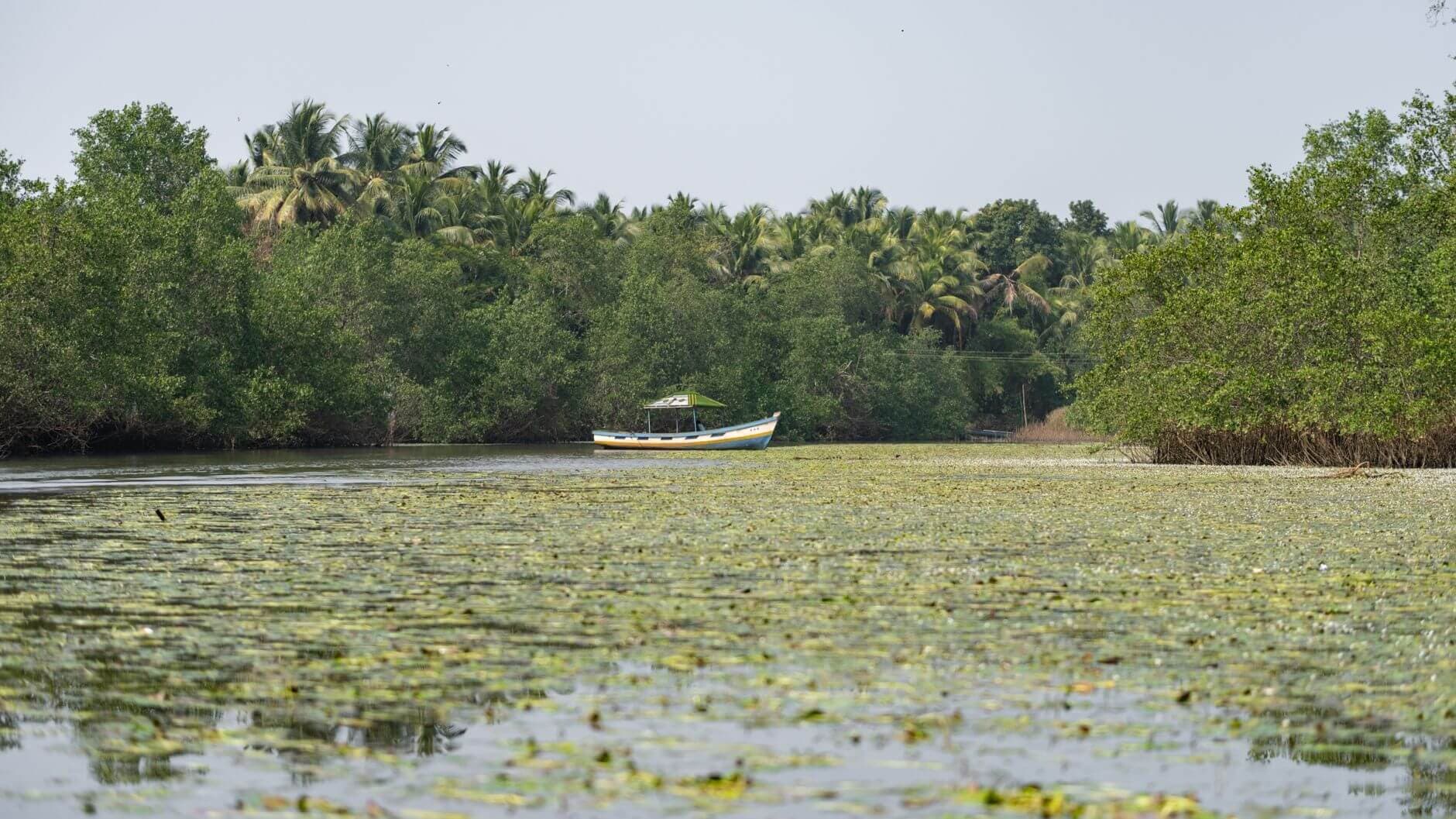
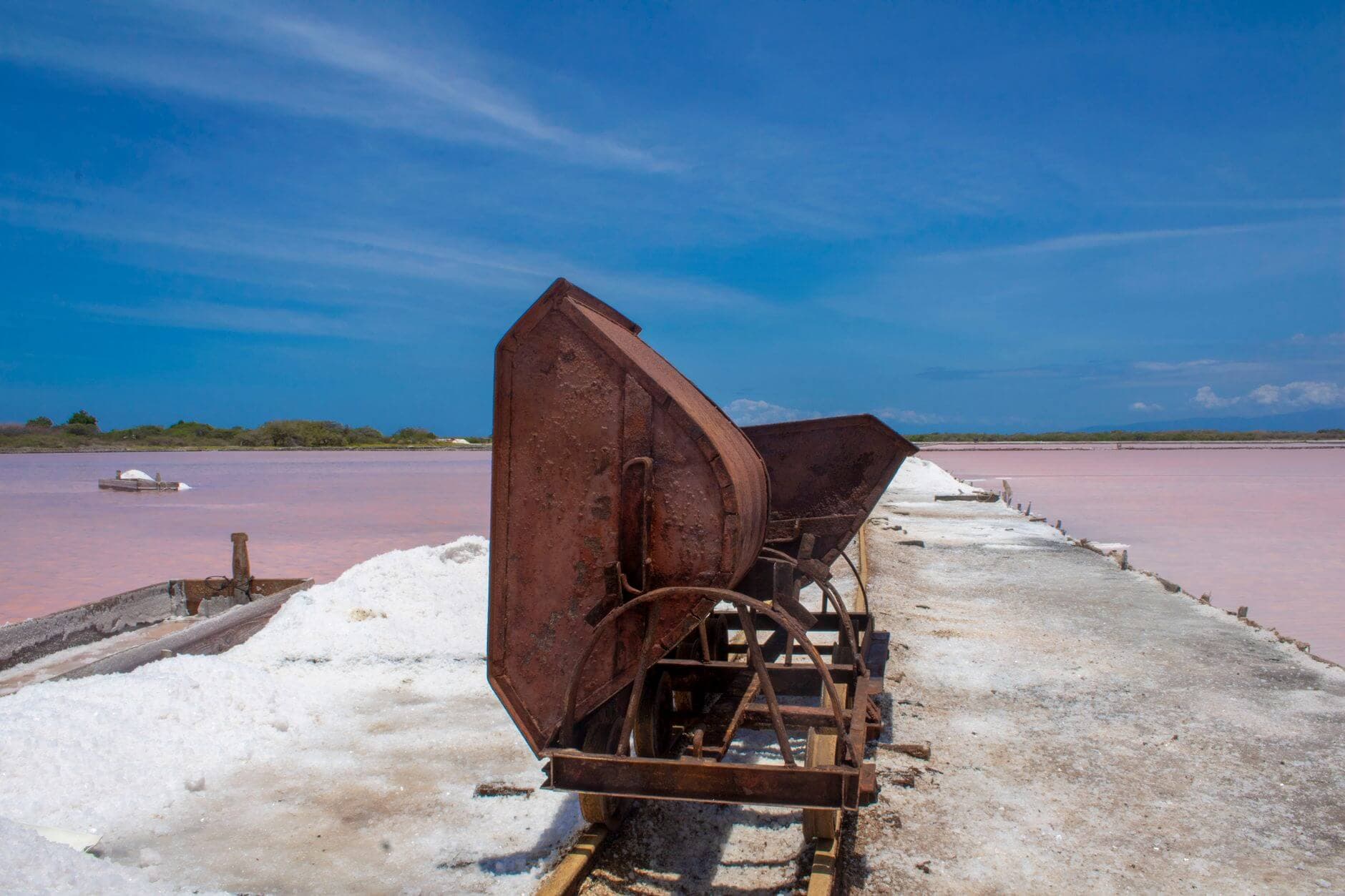
Dakar is also the ideal starting point for exploring the rest of Senegal. From the capital, you can organize day trips or multi-day excursions to destinations like the Pink Lake (Lac Rose), the Bandia Nature Reserve, the holy city of Touba, the Saloum Delta, or even cross the border into Gambia. NeoGeo DMC offers a wide range of tours and excursions from Dakar for all types of travelers.
Frequently Asked Questions about Tourism in Dakar
How Many Days Do I Need to Visit Dakar?
With three or four days, you can see Dakar's main attractions quietly: Gorée Island, the markets, the African Renaissance Monument, the historic neighborhoods, and the beaches. If you want to include excursions to the surrounding areas, plan at least five or six days.
Do I Need a Visa to Travel to Senegal?
Citizens of the European Union, including Spain, do not need a visa to enter Senegal for tourist stays of up to 90 days. Only a valid passport is required. We recommend consulting with your embassy or consulate before traveling to confirm the updated requirements.
What's the Best Market in Dakar for Buying Handicrafts?
The Sandaga Market is the most complete and authentic, although it can be overwhelming for first-time travelers. The Kermel Market is a more tranquil alternative. For fabrics and textiles, the HLM Market is the locals' favorite. In all of them, haggling is customary and expected.
Can I Visit Gorée Island from Dakar in a Day?
Yes, perfectly. The ferry from Dakar's port takes about 20 minutes, and the schedules are frequent. With three or four hours, you have enough time to visit the Museum of the House of Slaves, walk around the island, and have something to eat at one of its restaurants before returning.
What Tour Does NeoGeo DMC Recommend to Get to Know Dakar?
In NeoGeo DMC, we offer urban tours of Dakar that combine the main monuments, a guided visit to the markets, and a local gastronomic experience. We also organize full-day excursions to Gorée Island and the Pink Lake. Contact us to design your personalized itinerary.