What to See in Gambia: A Complete Guide to the Smiling Coast
Gambia is one of those destinations that surprises everyone who visits it. Africa's smallest mainland country hides a natural, cultural and human richness that few travellers expect to find. If you're wondering what to see in Gambia, you're in the right place: this guide takes you through the country's most fascinating corners, from the Atlantic coast to the heart of the Gambia River, with practical tips and a suggested route to make the most of your trip.
Where Is Gambia?
Gambia lies on the west coast of Africa, forming a narrow strip of land that follows the course of the river of the same name. It is the smallest country on the African mainland and a real geographical curiosity: it is almost entirely surrounded by Senegal to the north, east and south, opening onto the Atlantic Ocean only in the west, around its capital, Banjul.
This location means Gambia is, in practice, an enclave within Senegal, which makes it very easy to combine both countries in a single trip: in just a few hours by road you can go from Dakar or the Saloum Delta to the beaches of Kololi or the banks of the Gambia River. From Spain, the journey usually involves one stopover (typically in Morocco, Portugal or Brussels), with a total flight time of between 7 and 9 hours.
Why Visit Gambia: A Destination That Wins You Over
Known as “The Smiling Coast” for the warmth of its people, Gambia offers a combination rarely found in other African destinations: white-sand Atlantic beaches, nature reserves teeming with birds and mammals, vibrant markets and a history deeply tied to the river that bears its name. All within a compact territory that lets you cover much of the country without long journeys.
Gambia is also a safe and accessible destination for Western travellers, with a growing tourism infrastructure and an open, welcoming local community. If you're looking for an authentic West African experience without giving up certain comforts, Gambia is your answer.
Things to See in Gambia: The Must-Sees
These are the things to see in Gambia you shouldn't miss, organised from west to east following the natural flow of a trip through the country.
1. Banjul, the Quiet Capital
Banjul is a capital unlike anything you might imagine. Small, quiet and full of contrasts, it deserves at least half a day of exploring. Albert Market is the beating heart of the city: fabrics, spices, crafts and the everyday bustle of Gambians all come together in one lively space. Don't miss Arch 22, an iconic monument offering panoramic views from its viewing platform.
2. Serrekunda and the Kololi, Kotu and Sanyang Coast
A few kilometres from Banjul, the coastal area holds the country's biggest tourist offering. Serrekunda, home to around 350,000 people, is Gambia's largest town and pulses with its popular market. Nearby, the beaches of Kololi, Kotu and Sanyang are perfect for relaxing, water sports, or simply enjoying the Atlantic. We cover each one in detail in our guide to beaches of Gambia: Kololi, Kotu and Sanyang.
In this area it's worth setting aside time for Lamin Lodge, a restaurant built on stilts over the mangroves and surrounded by oyster farms, and for Bijilo Monkey Park, a small coastal sanctuary ideal for a relaxed afternoon.
3. Abuko Nature Reserve: Gambia's Green Jewel
Abuko Nature Reserve is Gambia's smallest and most accessible national park — and also one of the most impressive. Just 20 minutes from Banjul, this tropical forest is home to crocodiles, vervet monkeys, colobus monkeys, mongooses and a seemingly endless list of birds: it's one of the best birdwatching spots in West Africa, with over 300 recorded species.
4. The Gambia River: Mangroves, Chimpanzees and the Memory of Wassu
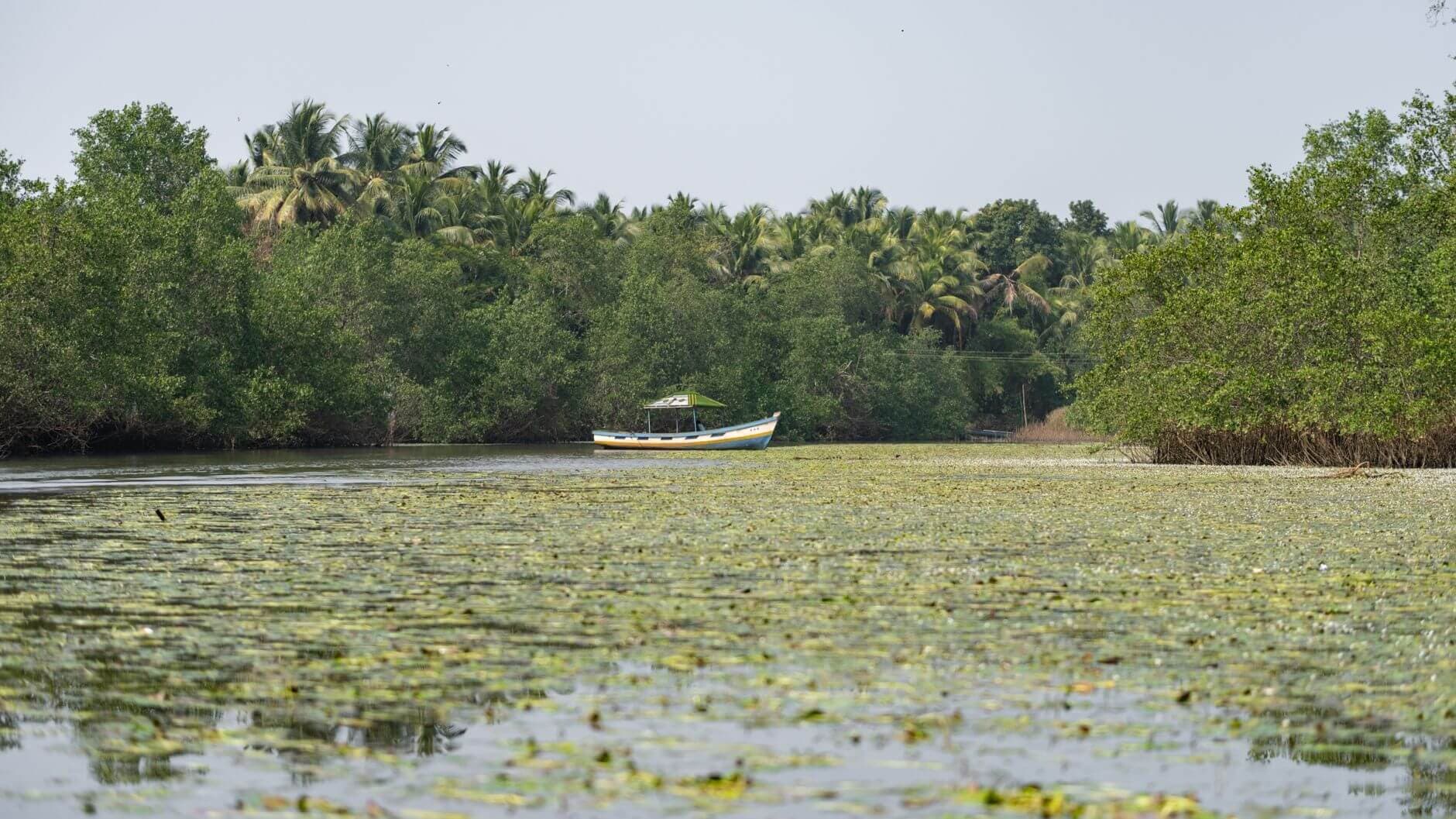
The Gambia River is the country's backbone and its great natural star. Cruising its tributaries at sunrise or sunset — through the mangroves of Bintang Bolong or Tendaba, past crocodiles in their natural habitat, hippos and dozens of bird species — is one of the most memorable experiences of a trip to Gambia.
Further upriver, opposite Kuntaur, lies Baboon Island (part of the River Gambia National Park), where you can watch chimpanzees at feeding time alongside hippos and crocodiles. Here's what this excursion looks like: Baboon Island video.
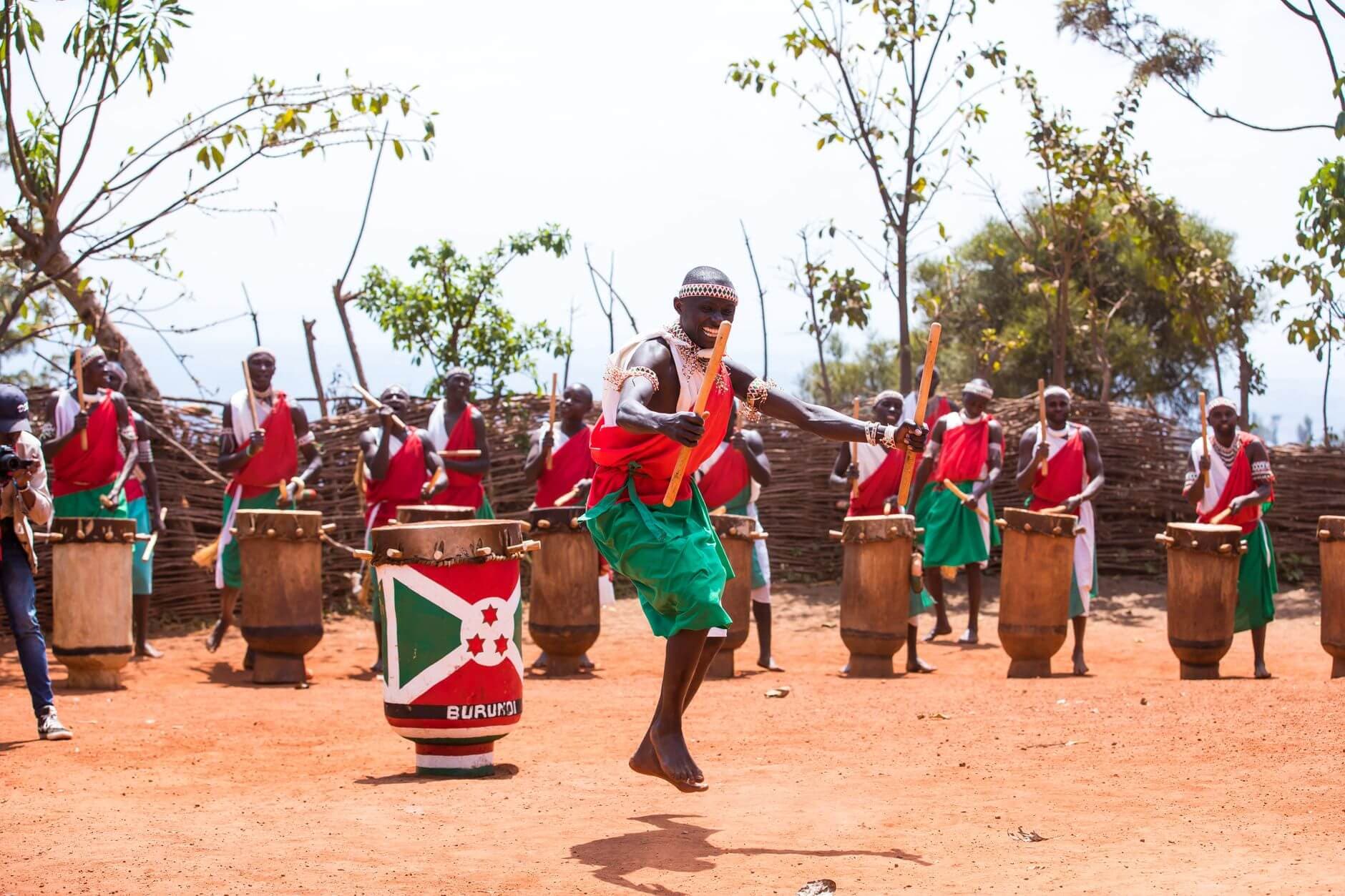
A short distance away is Janjanbureh (formerly Georgetown), a river island with colonial houses, history linked to slavery, and, after dark, traditional drum dances at the local lodges. You can get a feel for the place in this Janjanbureh video.
Near Janjanbureh, don't miss the Wassu Stone Circles, a UNESCO World Heritage Site: a megalithic complex dating from between 650 BC and 750 AD, considered a sacred site, with its own museum next to it.
5. Makasutu Culture Forest
About 30 kilometres from Banjul, Makasutu Culture Forest is an ecosystem of mangroves, palm trees and dry forest with extraordinary biodiversity. Here you can hike, watch birds, canoe through the mangrove channels and get to know Mandinka culture — from traditional healers to the “palm wine man”, who climbs the trees to tap palm wine in front of visitors.
6. Kunta Kinteh, Jufureh and Albreda: The Memory of Slavery
On the river's north bank, the villages of Jufureh and Albreda — along with Kunta Kinteh Island — preserve one of the harshest and most necessary chapters of Gambian history to learn about. Here you can visit the slavery monument, the “Freedom Flag”, the former slave houses and cells by the river, and the slavery museum, a combination that helps you understand the deep mark the transatlantic slave trade left on the country.
7. Bakau: The Sacred Tree and the Crocodile Pool
In Bakau you can visit the crocodile pool, a sacred site where, safely, you can touch the crocodiles by hand and where locals come to make wishes. Nearby stands an impressive kapok tree over 700 years old, one of the area's great natural landmarks.
8. Tanji and Kartong: Fishing Villages and the Wild South
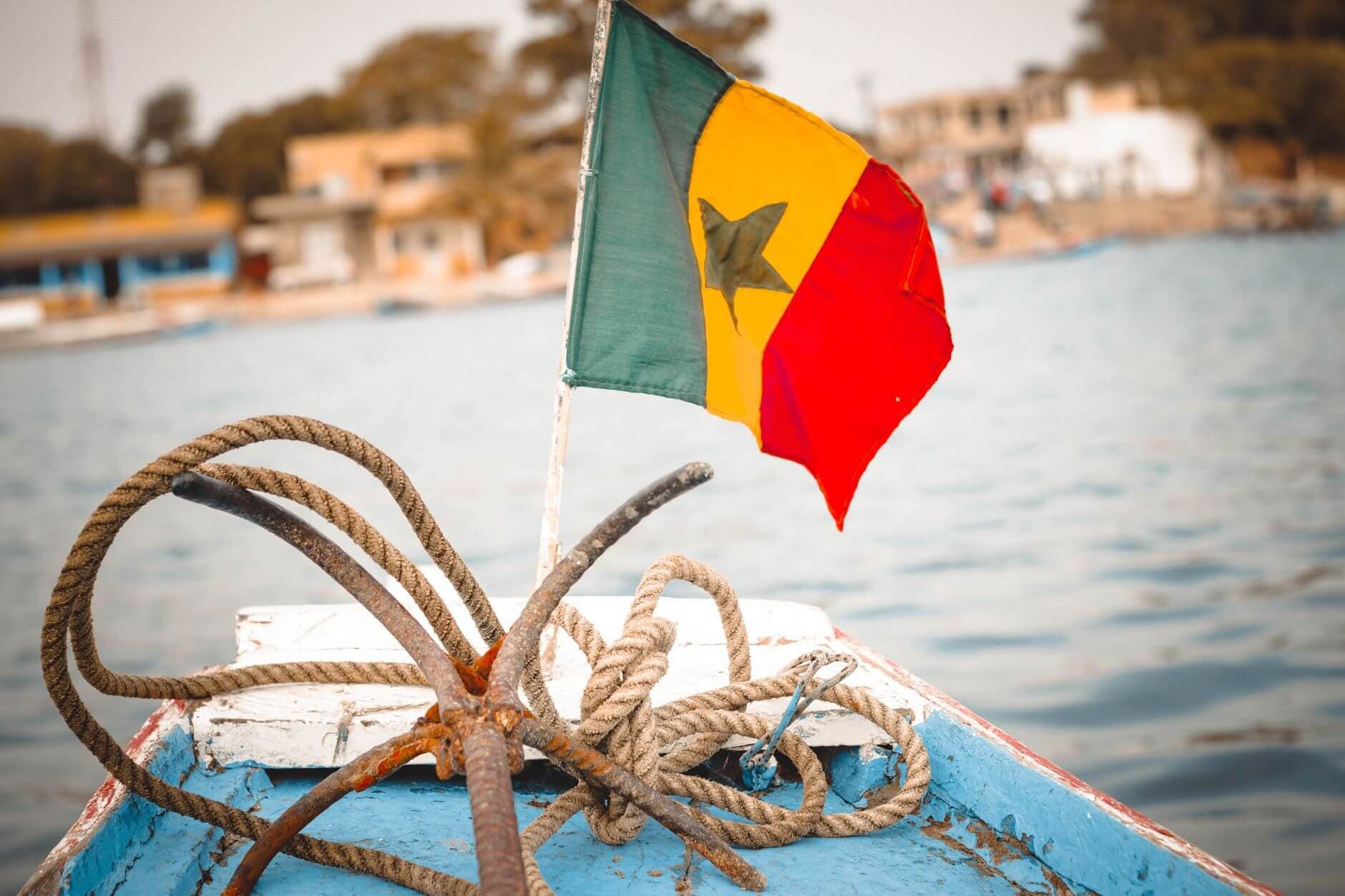
Tanji is a genuine fishing village where you can see the fish-smoking area, the colourful traditional boats and the daily catch being unloaded. Further south, near the border with Casamance, Kartong offers quiet beaches, a reptile farm and some of the country's prettiest, least crowded coastal scenery.
9. Basse Santa Su: Gambia's Eastern Edge
If you have time and a taste for adventure, heading east will take you to Basse Santa Su, Gambia's easternmost town. The journey itself is an experience: rural markets, savannah landscapes and everyday life in the interior. Basse is known for its lively weekly market and as the gateway to lesser-explored natural areas.
Route Through Gambia: How Many Days Do You Need?
If you have a week or a little less, this 5-day route covers the country's main highlights:
• Day 1 — Arrival and the Atlantic coast: settle into Kololi or Kotu, an afternoon at the beach and a first taste of local life.
• Day 2 — Banjul and Abuko Reserve: morning at Albert Market and Arch 22, afternoon at Abuko spotting wildlife and birds.
• Day 3 — Makasutu and the Gambia River: excursion to Makasutu Culture Forest and canoeing through the mangroves at sunset.
• Day 4 — Wassu and Janjanbureh: the megalithic circles of Wassu (UNESCO) and the crossing to Janjanbureh island, with a night inland.
• Day 5 — River Gambia National Park and return: a river safari to spot chimpanzees on Baboon Island and crocodiles, then back to the coast.
Want to experience all these things to see in Gambia with expert local guiding?
If you'd rather have a ready-made circuit combining the best of Senegal and Gambia — including Janjanbureh, Wassu and up to 5 UNESCO World Heritage Sites — discover our Sinfonía Africana tour: 12 days of full immersion in West Africa with a professional Spanish-speaking guide throughout, supported by local cultural mediators.
See the full Sinfonía Africana itinerary →
Practical Tips for Travelling to Gambia
• Best time to travel: the dry season, from November to May, is the most recommended. Pleasant temperatures and virtually no rain.
• Currency: the Gambian dalasi (GMD). It's advisable to carry cash, though cards are accepted in tourist areas.
• Vaccinations and health: the yellow fever vaccine is mandatory to enter the country. Malaria prophylaxis is advisable; check with your doctor before travelling.
• Transport: shared taxis (“bush taxis”) are the most common way to get around. For more comfort, organised tours include private transfers.
• Language: English is the official language, which makes things easier for Spanish-speaking travellers with basic English.
• Cultural respect: Gambia is a majority Muslim country. Dress modestly outside beach areas and ask permission before photographing people.
Frequently Asked Questions About What to See in Gambia
Where exactly is Gambia?
Gambia is in West Africa, in a narrow strip of land that follows the course of the Gambia River and is almost entirely surrounded by Senegal, with access to the Atlantic Ocean only in the west, at Banjul.
How many days are enough to visit Gambia?
With 5 to 7 days you can cover the country's main attractions, from the Atlantic coast to the river interior. If you only have a long weekend, the coastal area and Abuko Reserve make a great combination.
Is Gambia a safe destination for tourists?
Yes, Gambia is considered one of the safest destinations in West Africa. As with any trip, it's best to take basic precautions, especially in markets and crowded areas. Travelling with a trusted local operator like NeoGeo DMC adds an extra layer of peace of mind. Also check our guide to Gambia visa requirements before you go.
What wildlife can I see in Gambia?
Gambia is a paradise for nature lovers. You can spot over 500 bird species, crocodiles, hippos, monkeys and chimpanzees in the River Gambia National Park, plus a wide variety of reptiles and mammals in its nature reserves.
What's the best time for birdwatching in Gambia?
The dry season (November–May) is ideal for birdwatching, since vegetation is sparser and migratory birds from Europe join the resident species. January and February are especially recommended.
Can Gambia be combined with Senegal in the same trip?
Absolutely. Gambia is almost entirely surrounded by Senegal, which makes combining both destinations very straightforward logistically. Many travellers include Dakar, the Saloum Delta or Gorée Island in their itinerary. Our Sinfonía Africana tour is designed precisely to make the most of both countries in a single trip.