What to see in Senegal: a guide to essential places for your first trip
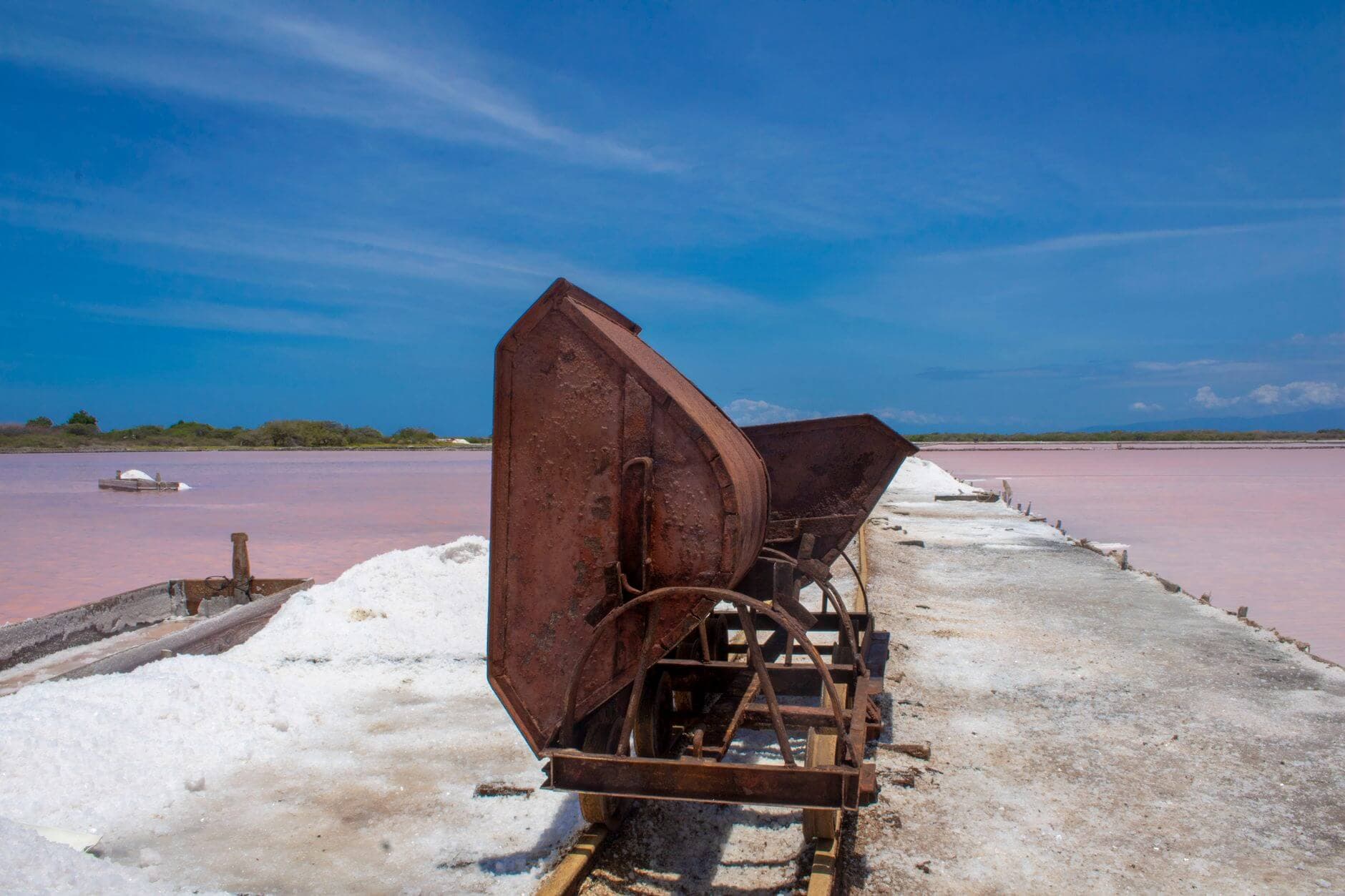
The 6 must-see places in Senegal are: Dakar (cultural capital), Gorée Island (UNESCO World Heritage Site), Saint-Louis (UNESCO World Heritage Site, former colonial capital), the Saloum Delta (UNESCO Biosphere Reserve), Casamance (rainforest and Diola communities) and Lake Retba (Lac Rose, famous for its pink colour caused by its high salt concentration). A full itinerary covering all six spots takes between 7 and 14 days.
Senegal is, above all, one of those destinations that stays with you: vibrant culture, strikingly diverse landscapes, and a hospitality the locals call teranga. This guide covers what to see in each of these six places, with recommended visiting time and how to connect them into a single trip.
Dakar: the beating heart of Senegal
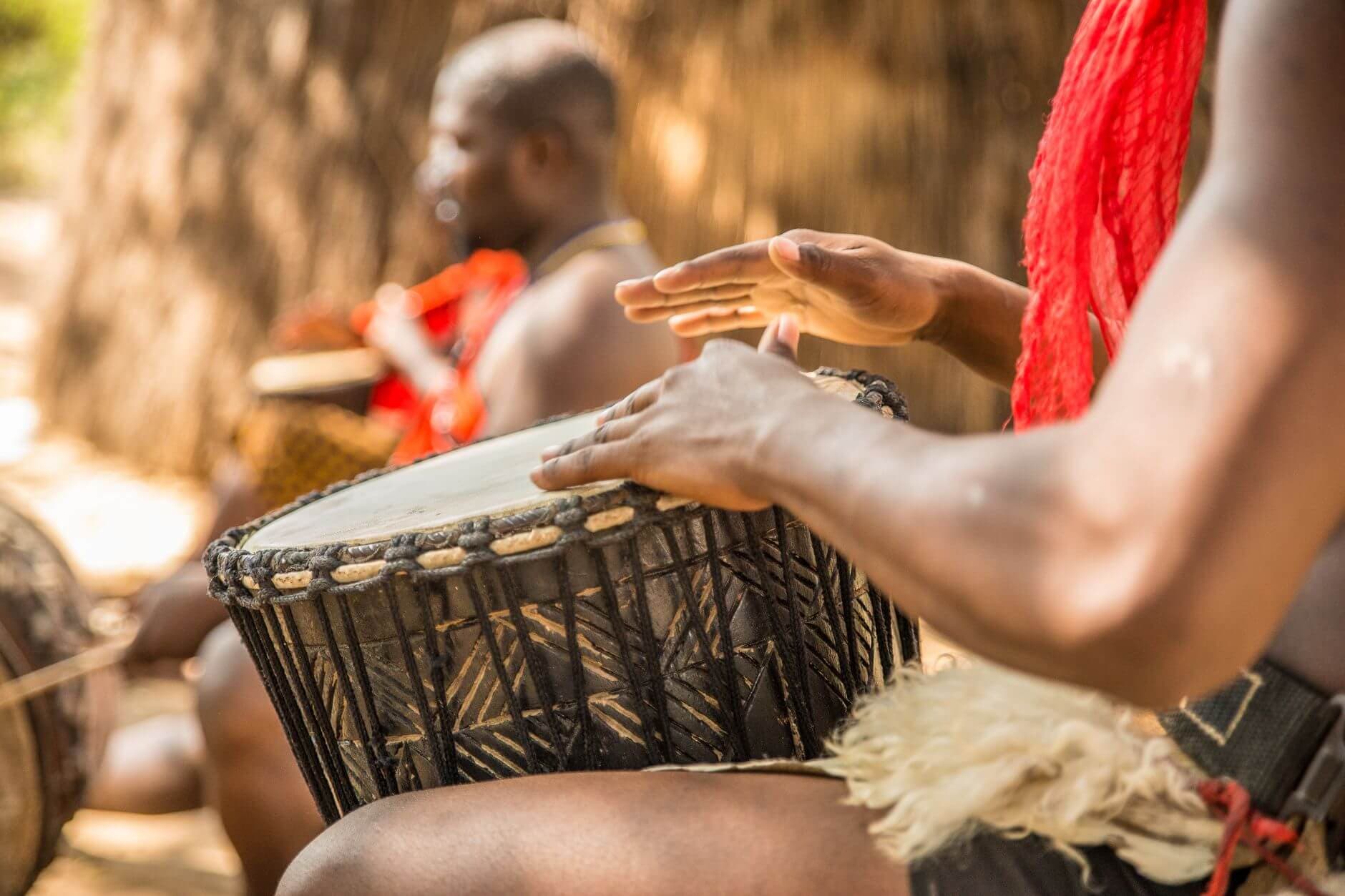
Any trip to Senegal almost inevitably starts in Dakar. The country's capital is a metropolis full of contrasts where the bustle of markets, colonial architecture, and an artistic and musical scene that has conquered the whole world coexist. Don't leave without visiting:
Gorée Island: declared a World Heritage Site by UNESCO, this small island off the coast of Dakar was one of the main points of departure for the slave trade. Today it's a place of memory, reflection, and unique architectural beauty with its colorful houses.
Kermel Market: a colonial-style covered market where the aromas of spices mix with the colors of fabrics and the sound of vendors. An essential sensory experience.
African Renaissance Monument: the tallest statue in Africa dominates Dakar's skyline and represents the liberation of the continent. From its base, there are panoramic views of the city and the Atlantic Ocean.
The Medina and the Great Mosque: the historic neighborhood of the city, where everyday life unfolds at its own pace and Islamic architecture marks the urban landscape.
Saint-Louis: the city that stops time
Saint-Louis is, without a doubt, one of the essential places in Senegal. The former capital of French West Africa, this city in the north of the country preserves a unique colonial charm that also earned it the distinction of World Heritage Site. Its cobblestone streets, iron balconies, and the Faidherbe bridge — inspired by Florence's Ponte Vecchio — create an atmosphere that seems taken from another era.
Beyond its historical and architectural value, Saint-Louis is the gateway to the Djoudj National Bird Sanctuary, one of the most important sanctuaries for migratory birds in the world and the third ornithological park on the planet. Birdwatching enthusiasts will find a paradise here with white pelicans, flamingos, herons, and hundreds of other species.
The Saloum Delta: nature in its purest state
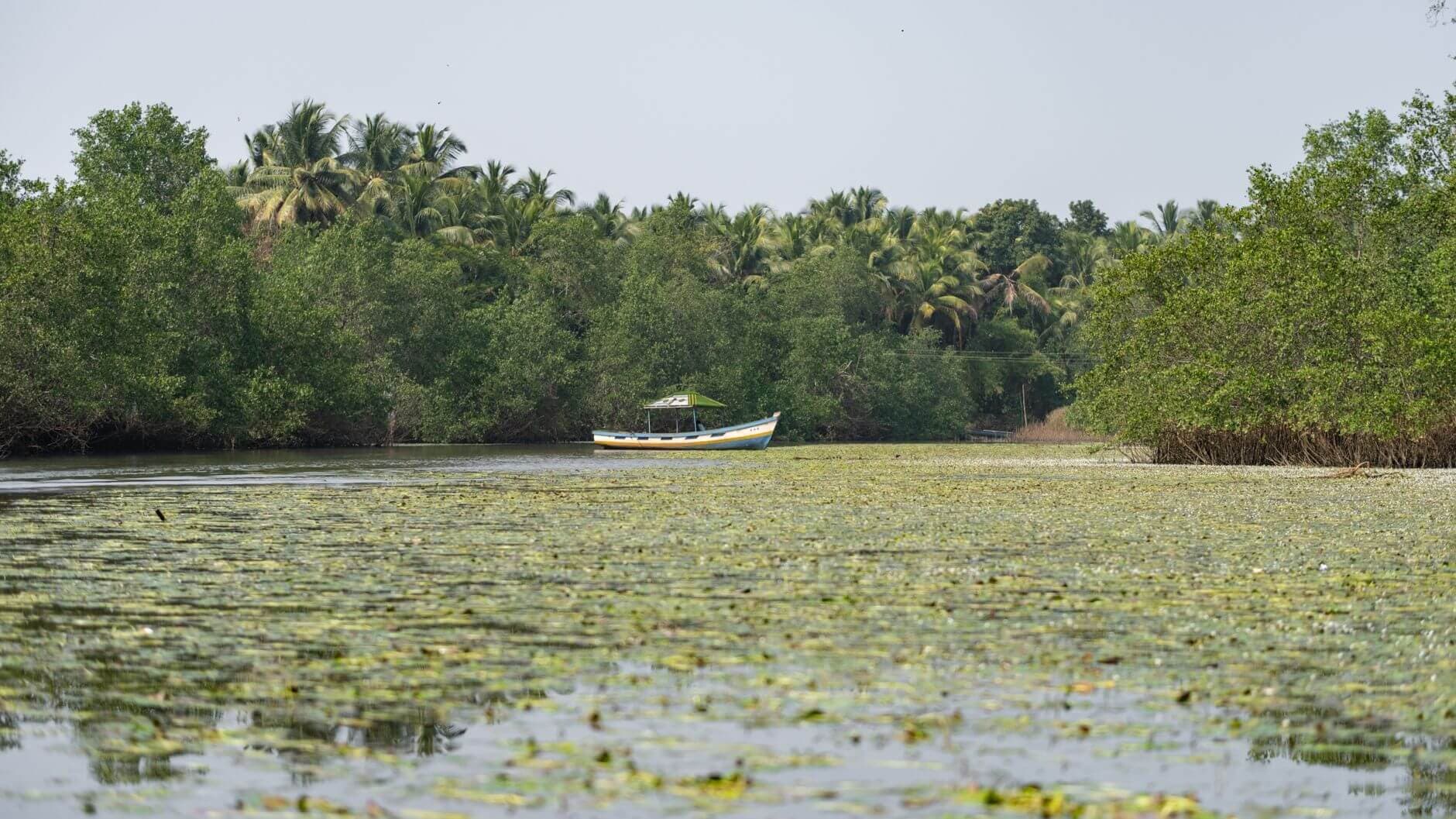
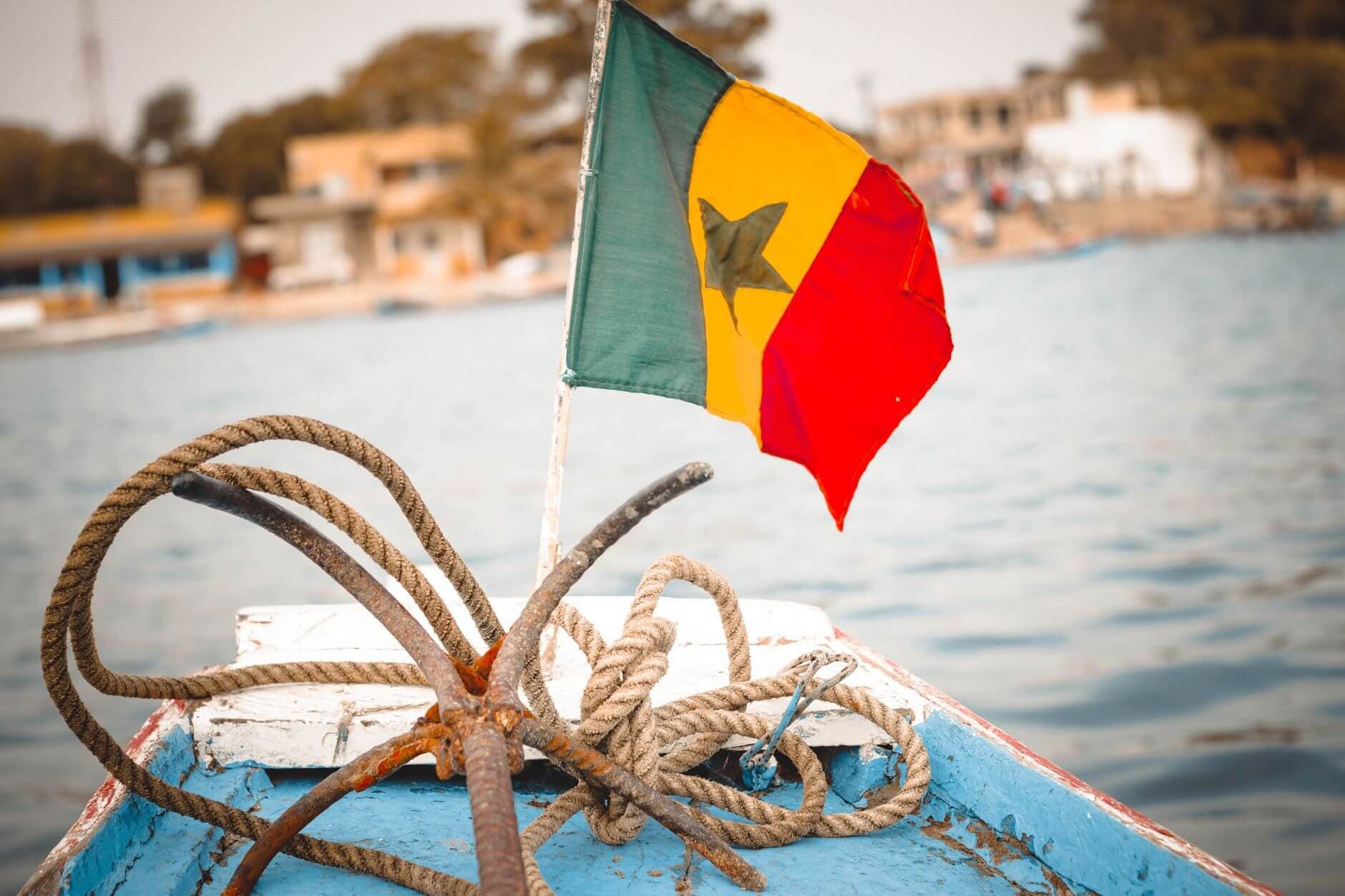
If you're looking for landscapes that will leave you speechless, the Saloum Delta is your answer. This archipelago of mangroves, islands, canals, and lagoons in the country's center-west is another enclave declared a World Heritage Site and Biosphere Reserve by UNESCO. Here, time seems to have stopped in the fishing villages where colorful pirogues gently sway in the tranquil waters.
Exploring the Saloum Delta by kayak or motorized pirogue is an experience no traveler should miss. The bolongs — natural canals between mangroves — hide an extraordinary fauna: dolphins, hippos, crocodiles, and a rich avifauna. NeoGeo DMC organizes guided excursions through this unique ecosystem, adapted to both families and adventurous travelers.
Casamance: the green and mysterious south
The Casamance region, in southern Senegal, is perhaps the most different part of the country. Separated from the rest of the territory by Gambia, this area has its own identity marked by the Diola ethnicity, exuberant vegetation, and almost virgin white-sand beaches. It's the greenest, most humid, and, for many, the most magical Senegal.
The regional capital, Ziguinchor, is a quiet city with one of the country's best artisanal markets. From here, you can explore the Basse Casamance National Park, but it's also worth getting lost in the traditional villages where mud houses coexist with the ancestral rituals of the Diola community.
Essential beaches in Casamance
The beaches of Cap Skirring, Kafountine, and Abéné are some of the most beautiful in all of West Africa. Little crowded, with warm waters and almost intact nature, they are the perfect counterpoint to Dakar's dynamism.
Touba: the sacred city of Mouridism
To understand the soul of Senegal, it's essential to know Touba, the holy city of Mouridism, one of the most influential Islamic brotherhoods in the country. Every year, during the Grand Magal, millions of pilgrims gather here in one of the most multitudinous religious meetings in the world. The Great Mosque of Touba, with its minarets rising above the plain, is an architectural and spiritual spectacle that impresses even those who do not profess the faith.
Villages of Senegal not to be missed
Beyond the cities, Senegal's villages are the ones that keep the country's most authentic essence. Here are some that deserve a special visit:
Fadiouth (Island of Shells): a village literally built on shells, connected to the mainland by a wooden bridge. Its cemetery, where Muslim and Christian tombs coexist, is a symbol of Senegalese religious tolerance.
Palmarin: in the heart of the Saloum Delta, this small village is ideal for those seeking total immersion in local life, with visits to salt pans, centuries-old baobabs, and lagoons.
Popenguine: a place of Christian pilgrimage and starting point for exploring the Popenguine Nature Reserve, where green monkeys are the true owners of the place.
Sine Saloum: the fishing villages scattered throughout this delta live off artisanal fishing and offer a hospitality that's hard to forget.
The Bassari Country: the most unknown Senegal
For travelers who want to get off the beaten path, the Bassari Country, in the southeastern part of the country near the border with Guinea-Bissau and Guinea Conakry, is an extraordinary destination. Declared a World Heritage Site, this territory is home to the Bassari, Fula, and Bedik peoples, whose traditions, adobe architecture, and initiation rituals remain almost intact. The villages of Iwol and Ethiolo are especially evocative, nestled among hills covered in vegetation.
Practical tips for planning your trip to Senegal
Before embarking on discovering all that Senegal has to offer, consider some practical aspects:
Best time to travel: the dry season, between November and May, is the most recommended. Temperatures are cooler, and rainfall is practically nonexistent.
Visa: Spanish citizens do not need a visa for stays of up to 90 days. Always check the updated regulations before traveling.
Vaccines: the yellow fever vaccine is mandatory. Consult with your doctor about other recommendations, such as antimalarial prophylaxis.
Currency: the CFA Franc (XOF) is the local currency. It's recommended to carry cash for markets and small villages.
Transportation: sept-places (shared taxis) are the most used means of transportation between cities. For greater comfort, NeoGeo DMC offers private transfers and organized tours that cover the country's main destinations.
If you want to experience Senegal without worrying about logistics, NeoGeo DMC designs customized itineraries that combine the great classics with the most authentic and off-the-beaten-path experiences. From photographic safaris in Djoudj to cultural immersions in the villages of the Saloum Delta, we take care of making your trip perfect.
Frequently asked questions about what to see in Senegal
How many days do I need to see the essential places in Senegal?
For a general view of the most important destinations — Dakar, Saint-Louis, Saloum Delta, and Casamance — a minimum of 10 to 14 days is recommended. If you want to include the Bassari Country or explore the most remote villages, extend your stay to three weeks.
Is it safe to travel to Senegal?
Senegal is one of the most stable and safe countries in West Africa. As with any destination, it's recommended to take basic precautions: don't display valuable items, use trusted tourist operators, and consult your country's travel recommendations before departing.
What are the most authentic villages in Senegal to visit?
Fadiouth, Palmarin, Popenguine, and the villages of the Bassari Country like Iwol and Ethiolo are some of the most authentic and least crowded villages. Visiting these places with a local guide greatly enriches the experience.
What's the best way to move between Senegal's destinations?
Depending on the time and budget available, you can combine local transportation (sept-places, pirogues) with private transfers contracted through a tourist operator like NeoGeo DMC. The latter is more comfortable and allows you to adapt the trip's pace to your preferences.
What should I know about Senegalese culture before traveling?
Senegal is a predominantly Muslim country with a great tradition of religious tolerance. It's recommended to dress modestly when visiting mosques and villages in the interior, ask for permission before photographing people, and gratefully accept local hospitality, which is an essential part of Senegalese culture.