Djoudj National Bird Park: The Most Spectacular Ornithological Sanctuary in West Africa
Imagine waking up at dawn and watching as thousands of white pelicans take off in unison over a golden mirror of water. This scene, which seems to be taken from a BBC documentary, is a daily reality in the Djoudj National Bird Park, one of the most important bird sanctuaries on the planet and a must-visit destination for any traveler arriving in Senegal.
Declared a UNESCO World Heritage Site and listed as a Ramsar Site of international importance, the Djoudj is not just another natural park: it is the first major stopover for millions of migratory birds crossing the Sahara Desert in search of refuge on the humid banks of the Senegal River. If you are a birdwatching enthusiast or simply a curious traveler, this park will forever change your understanding of African nature.
Where is the Djoudj National Park and how to get there?
The park is located in northern Senegal, about 60 kilometers northeast of Saint-Louis, very close to the border with Mauritania. Its privileged location in the Senegal River delta is precisely what makes it a magnet for birds: the system of lagoons, marshes, and canals creates a unique ecosystem in the middle of the arid Sahelian strip.
Options for getting there from Saint-Louis
By private vehicle or 4x4: The most comfortable and recommended option. From Saint-Louis, the route crosses semi-arid landscapes and small typical villages of northern Senegal. The road requires a vehicle with good suspension, especially during the rainy season.
With an organized tour: The most efficient way to make the most of your visit. A specialized ornithology guide will make a difference between seeing birds and understanding what you are seeing. From NeoGeo DMC, we organize excursions to the Djoudj with certified local guides and transportation included from Saint-Louis or Dakar.
Public transportation: There are sept-places (shared taxis) from Saint-Louis, although the frequency is limited and access to the park's interior also requires a private vehicle.
When is the best time to visit the Djoudj?
The Djoudj National Bird Park has its high season between November and April, coinciding with the massive arrival of migratory birds from Europe and Central Asia. During these months, temperatures are more pleasant and the concentration of species reaches its peak.
The park remains closed during the rainy season, when the floods of the Senegal River inundate the accesses and part of the infrastructure. Plan your visit between November and March to enjoy the best conditions, both climatic and ornithological.
The migration spectacle
In late November and December, the park receives the arrival of its most anticipated guests: more than three million birds of various species use the Djoudj as a resting and feeding point after crossing the Sahara. The visual and sound spectacle they generate is, without exaggeration, one of the most impressive natural phenomena on the entire African continent.
Species you can spot in the Djoudj
With over 400 registered species, the Djoudj is a paradise for birdwatching. Whether you are an expert observer or a beginner with new binoculars, the diversity and abundance of birds guarantee an unforgettable experience.
The large colonies: the guaranteed spectacle
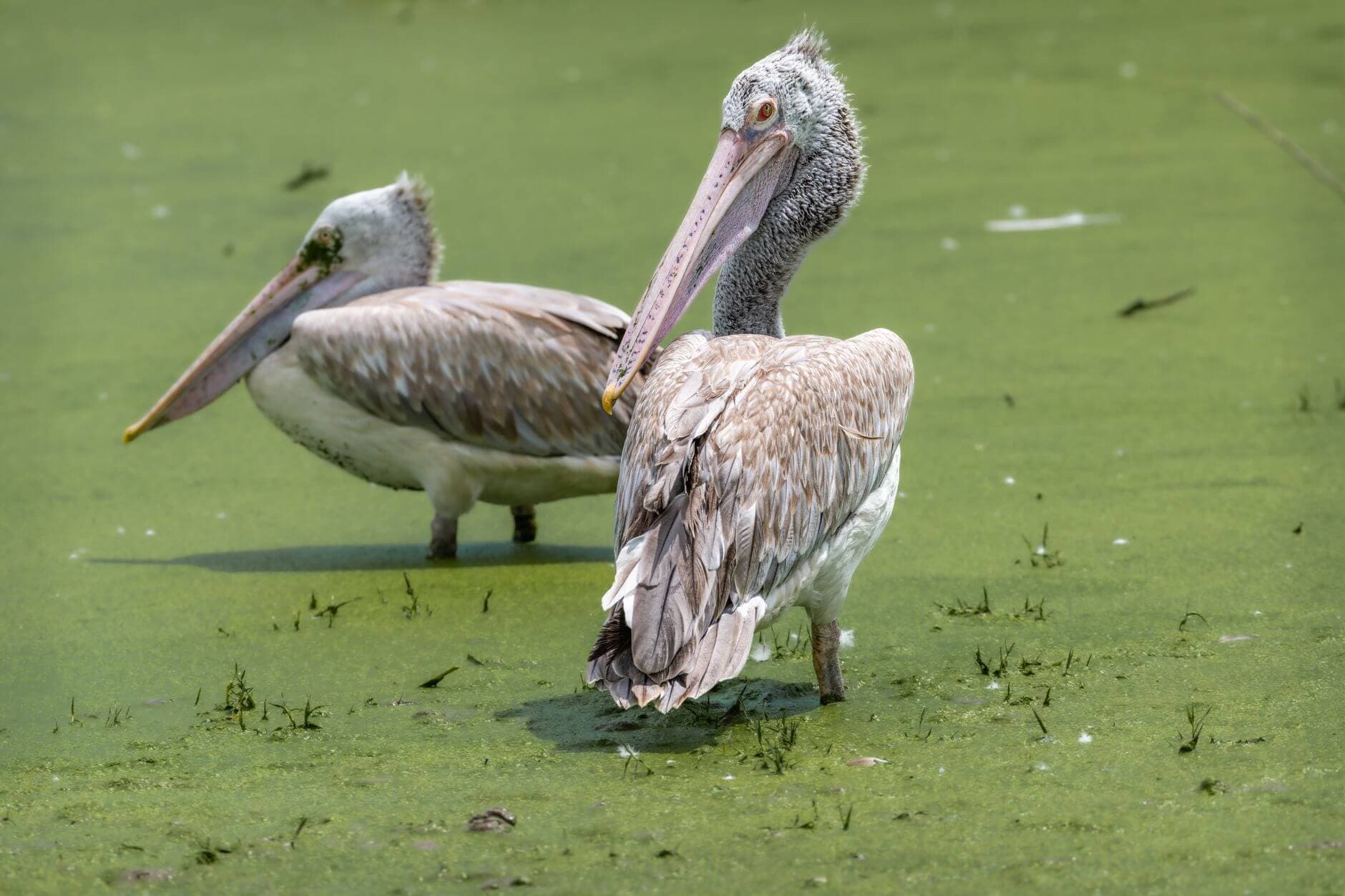
White pelican: The undisputed symbol of the park. Every year, thousands of pairs breed here, forming one of the largest reproductive colonies in Africa.
African cormorant (Microcarbo africanus): Shares space with pelicans on the emergent vegetation islands.
Common spoonbill (Platalea leucorodia): Easily recognizable by its spoon-shaped bill, it is a regular visitor during the European winter months.
Flamingo: Its pink colonies on the shallow waters offer one of the most coveted photographic scenes in the park.
Waterbirds and shorebirds
Gray heron, purple heron, and great egret
White stork and black stork (migratory)
Sacred ibis and African spoonbill
Various species of ducks, geese, and coots
Numerous species of shorebirds: avocet, black-winged stilt, curlew, oystercatchers…
Raptors and other species of interest
The Djoudj is not just a paradise for waterbirds. The park's edges and riverbank vegetation are home to fish eagles, milans, kestrels, and various species of owls and nocturnal raptors. Specialized guides know the exact points to locate these more elusive jewels.
How to visit the park: boats and trails
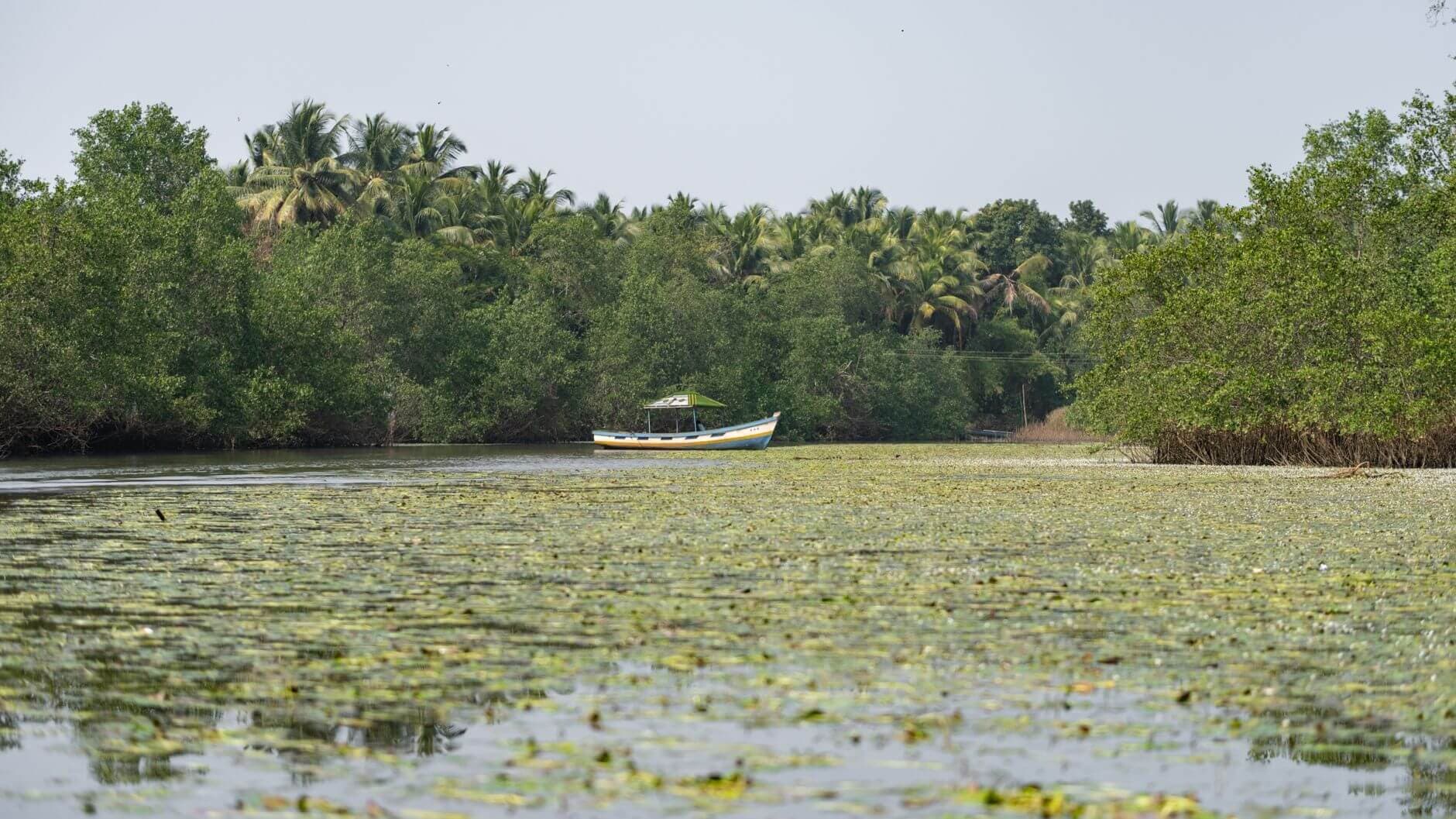
The main way to explore the heart of the Djoudj is by boat or canoe through the park's canals and lagoons. This mode allows you to approach the nesting colonies silently without disturbing them and offers unique photographic perspectives at water level.
In addition to the water routes, there are terrestrial viewpoints and marked trails that allow you to observe the large concentrations of pelicans and flamingos from solid ground. Combining both modalities in a single visit is the ideal strategy to maximize the number of observed species.
Practical tips for the visit
Bring powerful binoculars: A minimum of 8x42 or 10x42 will make a difference in identifying species at a distance.
Wear neutral-colored clothing: Avoid bright colors that can scare birds away. Beige, khaki, and olive green are your best allies.
Leave early: The first hours of the morning are the most active for most species. Organize your visit to be in the park at dawn.
Sun protection and repellent: The sun in northern Senegal is intense, and mosquitoes can be a nuisance near the water, especially at sunset.
Hire a local guide: Their knowledge of the territory and bird behavior exponentially multiplies the quality of the experience.
The Djoudj beyond birds: nature and local culture
A visit to the park is perfectly complemented by a getaway to Saint-Louis, the former French colonial capital also declared a World Heritage Site. This island city, with its Creole architecture and vibrant cultural scene, is the ideal starting point for combining nature and culture in a single trip to Senegal.
From NeoGeo DMC, we design customized itineraries that combine the Djoudj with other destinations in northern Senegal: the Langue de Barbarie National Park, the beaches of Saint-Louis, and the fishing communities of the Senegal River estuary. Consult us, and we will prepare the perfect experience for you.
Why the Djoudj is a priority conservation destination
The park is not exempt from threats. Agricultural expansion, the introduction of invasive plants like Typha australis, and the effects of climate change on migration patterns represent real challenges for its conservation. Visiting it with responsible operators who work with local communities is a direct way to contribute to its protection.
When you choose a responsible tour to the Djoudj, part of the income is invested in conservation projects and the training of local naturalist guides, creating a virtuous circle that benefits both the birds and the people living around the park.
What to bring and how to prepare
Binoculars, neutral-colored clothing, sun protection and a local guide are the keys to making the most of your visit. If you want the full equipment checklist — optics, technical clothing, health and documentation — you'll find it in our complete guide to ornithological tourism in Senegal.
Experience Djoudj with NeoGeo DMC
Discover Birds, Sand and Memory, through mangroves and dunes, our specialized birdwatching tour that covers the country's most complete ecosystems with an English-speaking ornithology guide.
Frequently Asked Questions about the Djoudj National Bird Park
When is the Djoudj National Bird Park open?
The park usually opens between November and April or May, coinciding with the dry season. It remains closed during the rainy season (July-October) due to the floods that affect the accesses. The best time to visit is between December and February, when the concentration of migratory birds is at its maximum.
How many bird species can be seen in the Djoudj?
The park has over 400 registered bird species, both resident and migratory. The most emblematic are the white pelican, the flamingo, the common spoonbill, the white stork, and various species of herons. During the peak migration, it is estimated that more than three million individuals use the park as a resting and feeding area.
Is it necessary to hire a guide to visit the Djoudj?
It is not strictly obligatory, but it is highly recommended. A local guide specialized in ornithology knows the best observation points, the activity schedules of each species, and can identify birds that would otherwise go unnoticed. The quality of the experience improves significantly with an expert guide.
How to get to the Djoudj from Dakar?
From Dakar, the most common route is to fly or travel by road to Saint-Louisand from there organize the transfer to the park, which is approximately 60 km away. An organized tour from Dakar that includes transportation, accommodation in Saint-Louis, and the excursion to the Djoudj is the most comfortable and efficient option.
Can you do nature photography in the Djoudj?
The Djoudj is one of the best destinations for nature photography in all of Africa. The colonies of pelicans and flamingos, the sunrises over the lagoons, and the possibility of photographing from a boat at water level offer exceptional photographic opportunities. It is recommended to bring a telephoto lens of at least 300-400 mm to capture details of birds at a distance.