What to See in Palmarin, Senegal: Complete Guide to the Saloum Delta
On the southern coast of the Saloum Delta, about three hours from Dakar, Palmarin is one of those places that surprises with its authenticity: golden dunes by the ocean, quiet lagoons, endless mangroves, and Serer communities that keep their fishing traditions alive. If you're wondering what to see in Palmarin, this guide covers everything you need to plan your visit.
Where Is Palmarin and How to Get There?
Palmarin is located in the Fatick region, at the southern tip of the Saloum Delta, between the Atlantic Ocean and inland lagoons. It can be reached by road from Dakar in about 3 hours, or combined with a visit to Sine Saloum or Ndangane as part of a wider coastal route.
Palmarin's Main Attractions
Palmarin stands out for combining several ecosystems in a small area: dunes, wild beaches, salt lagoons, mangroves and baobab groves. It's an ideal destination for those seeking uncrowded nature and authentic contact with local communities.
The Lagoons and Bolongs of the Saloum Delta
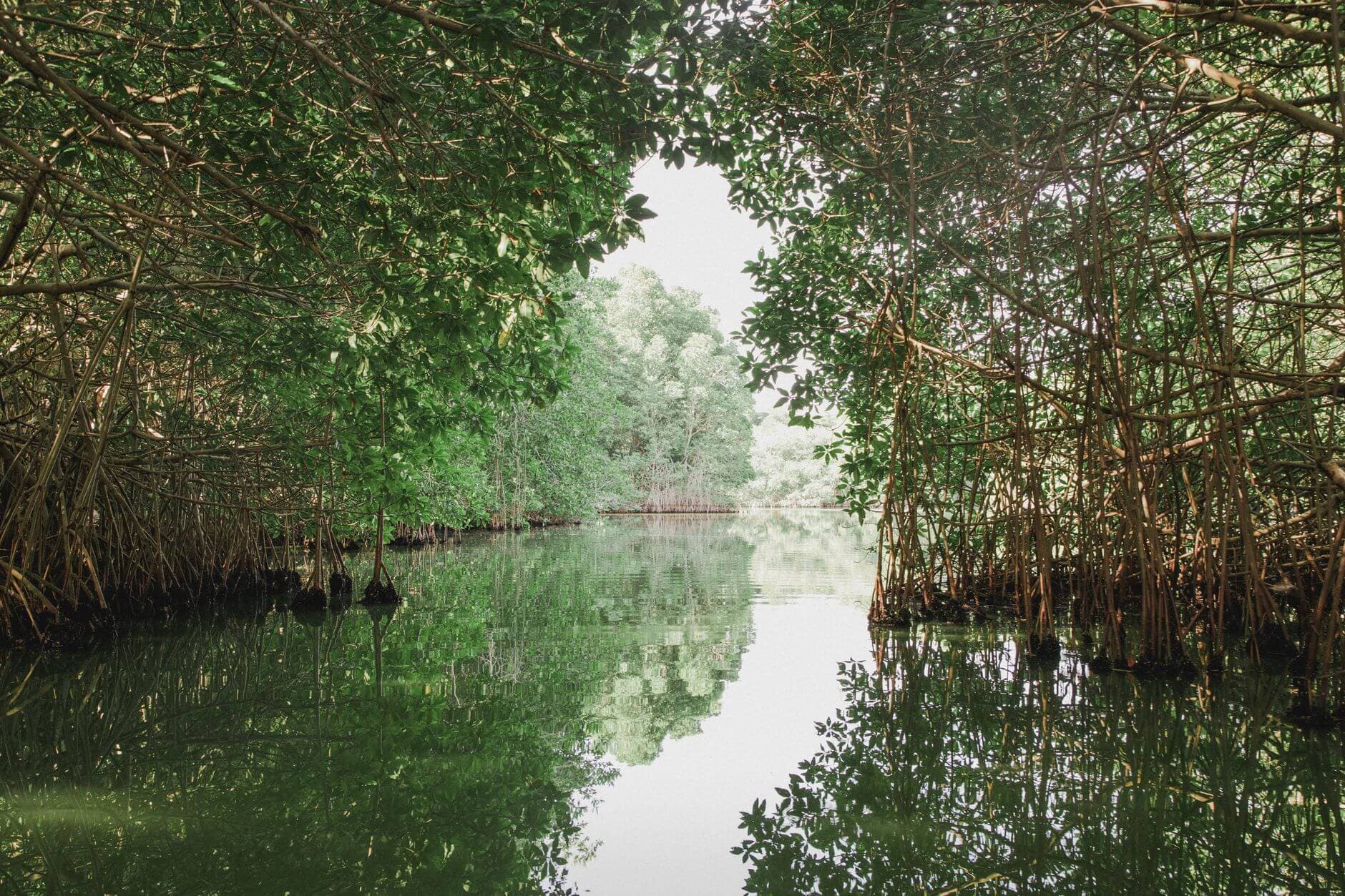
Palmarin's lagoons, fed by the sea and the delta's channels (the "bolongs"), form a landscape that shifts with the tide. Exploring them by pirogue is one of the most recommended activities, ideal for getting close to the mangroves and their ecosystem.
Wildlife and Birds You Can See in Palmarin
Palmarin is part of the Saloum Delta, one of West Africa's best birdwatching destinations, with pelicans, flamingos and herons among the most common species.
If birdwatching is your main interest, check out our dedicated guide to the waterbirds of the Saloum Delta, with the best spots and seasons for observation.
The Dunes of Palmarin
One of the area's biggest draws is its golden dunes stretching along the ocean, offering some of the most spectacular views on the Senegalese coast, especially at sunset.
The Wild Beaches and the Atlantic Ocean
Unlike other more touristy coastal areas of Senegal, Palmarin's beaches remain wild and largely deserted, perfect for those seeking peace and quiet away from the crowds.
The Islets and Islands of the Delta
Palmarin's surroundings include small islets formed by the delta's sediments, some inhabited and others reserved for wildlife.
You can explore them up close on our Sine Saloum Islands excursion, with a pirogue trip through the delta's various islets.
Serer Culture and Fishing Villages
Palmarin is mainly inhabited by Serer communities, whose economy revolves around artisanal fishing and traditional salt extraction. Visiting their villages offers a close look at a way of life that has barely changed for generations.
Local Cuisine
Palmarin's cuisine centers on fresh fish and seafood, cooked with traditional Serer recipes — a great opportunity to try the most authentic Senegalese food, far from the tourist circuits.
Activities You Shouldn't Miss in Palmarin
Top activities include pirogue trips through the lagoons and mangroves, walks along the dunes, visits to fishing villages and, for nature lovers, birdwatching.
If you're after a complementary adventure experience, don't miss our Wild Challenge in Fathala: Safari and Lion Walk excursion, at the Fathala Reserve, a short distance from the area.
When Is the Best Time to Visit Palmarin?
The best time to visit Palmarin is between November and May, during the dry season, when temperatures are more pleasant and migratory bird watching is at its peak.
Practical Tips for Visiting Palmarin
● Plan for at least one night in the area to make the most of your visit.
● Wear comfortable footwear for walking on dunes and sandy terrain.
● Book accommodation in advance, as the local offer is limited and small-scale.
● Respect local customs when visiting fishing villages.
Palmarin as Part of a Senegal Itinerary
Palmarin pairs especially well with a visit to the rest of the Saloum Delta.
To complete your trip, also check out our guide to the Sine Saloum excursion from Dakar, to explore the region from different angles on the same trip.
Frequently Asked Questions About What to See in Palmarin, Senegal
How much time do you need to visit Palmarin?
A full day covers the main highlights, but to enjoy it at a relaxed pace we recommend spending at least one night in the area.
Is Palmarin the same as Sine Saloum?
Not exactly: Sine Saloum is the delta as a whole, while Palmarin is a specific location within it, known especially for its dunes and wild beaches.
Is it a good destination for birdwatching?
Yes, Palmarin is part of one of West Africa's richest areas for waterbird watching, especially between November and May.