Back to blog

Gorée Island: A Complete Guide for an Unforgettable Visit

Gorée Island, a UNESCO World Heritage Site off the coast of Dakar, is an indispensable visit in any trip to Senegal. History, architecture, and emotion in 45 hectares.

Published

August 13, 2026

Reading guide

6 min read

By

NeoGeo DMC

Vista aérea de la isla de Gorée con sus casas de colores y el océano Atlántico, Senegal

Photo by Lom Doudou on Pexels

Pexels

Gorée Island: Everything You Need to Know for an Unforgettable Visit

Just a few minutes by ferry from Dakar, Gorée Island is one of the most emotional and historically charged destinations in all of West Africa. Declared a UNESCO World Heritage Site, this small island of just 45 hectares holds centuries of memory, colonial architecture, and serene beauty that contrasts deeply with the weight of its past. If you're planning a trip to Senegal, a visit to Gorée Island is, simply, indispensable.

What is Gorée Island and Why is it So Special?

Gorée is an island located off the coast of Dakar, in the westernmost part of the African continent. During the 17th, 18th, and 19th centuries, it was one of the main strongholds of the slave trade in the Atlantic, and today its visit represents an act of collective memory and historical reflection. But Gorée is not just painful history: it's also a place of singular beauty, with colorful houses, bougainvillea on every corner, sandy alleys, and a tranquil atmosphere that invites contemplation.

The island has no cars or motorcycles. Only pedestrians, artists, fishermen, and travelers who come in search of something more than a postcard: they seek to understand.

History of Gorée Island: Memory and Reconciliation

Gorée's history is inseparable from the transatlantic slave trade. The island was successively occupied by the Portuguese, Dutch, English, and French, who used it as a transit point for millions of African people who were deported to America and Europe.

The House of Slaves

The most recognized symbol of this history is the House of Slaves (Maison des Esclaves), built in 1776. Inside, the cells where slaves were crowded before their embarkation and the famous «door of no return» that leads directly to the Atlantic Ocean are silent witnesses to one of the darkest chapters in human history. Visiting this place is deeply impactful and constitutes the emotional core of any tour of the island.

The museum has local guides who explain the functioning of the slave system and Gorée's role in it with rigor and sensitivity. It is highly recommended to hire one of these guides to understand in depth what you are seeing.

International Recognition

Gorée has received visits from numerous world leaders, heads of state, and historical figures who have wanted to pay homage to the victims of the slave trade. This international recognition reinforces its status as a place of universal memory and a symbol of reconciliation.

What to See on Gorée Island

Beyond the House of Slaves, Gorée Island offers a rich and varied tour that combines history, art, and landscape.

Museums and Heritage

  • Historical Museum of Gorée: located in the old fort, it reviews the history of the island from the pre-colonial era to Senegal's independence.

  • Henriette Bathily Women's Museum: dedicated to the role of women in Senegalese and African society, it is one of the most original museums on the island.

  • Sea Museum: explores the island's relationship with the ocean, fishing, and the marine biodiversity of the area.

Colonial Architecture

Walking through Gorée's streets is like entering an open-air museum. The two-story houses, with their ochre and terracotta facades, wooden balconies, and interior patios full of flowers, are an extraordinary example of 18th-century colonial architecture. The mix of European and African influences creates a unique aesthetic that has inspired photographers and artists from around the world.

The Craft Market and Local Artists

The island is home to a vibrant community of artists, painters, sculptors, and artisans. In the small market and in the workshops open to the public, you can acquire original works, textiles, masks, and handmade souvenirs. It's an excellent opportunity to support the local economy and take something authentic from your trip to Senegal.

The Beaches and Natural Environment

Although Gorée is not a conventional sun and beach destination, it does have small, tranquil coves where locals bathe and visitors can rest. The sea surrounding the island has a deep blue color, and from the shore, you can see the silhouette of Dakar on the horizon, offering very interesting photographic perspectives.

How to Get to Gorée Island

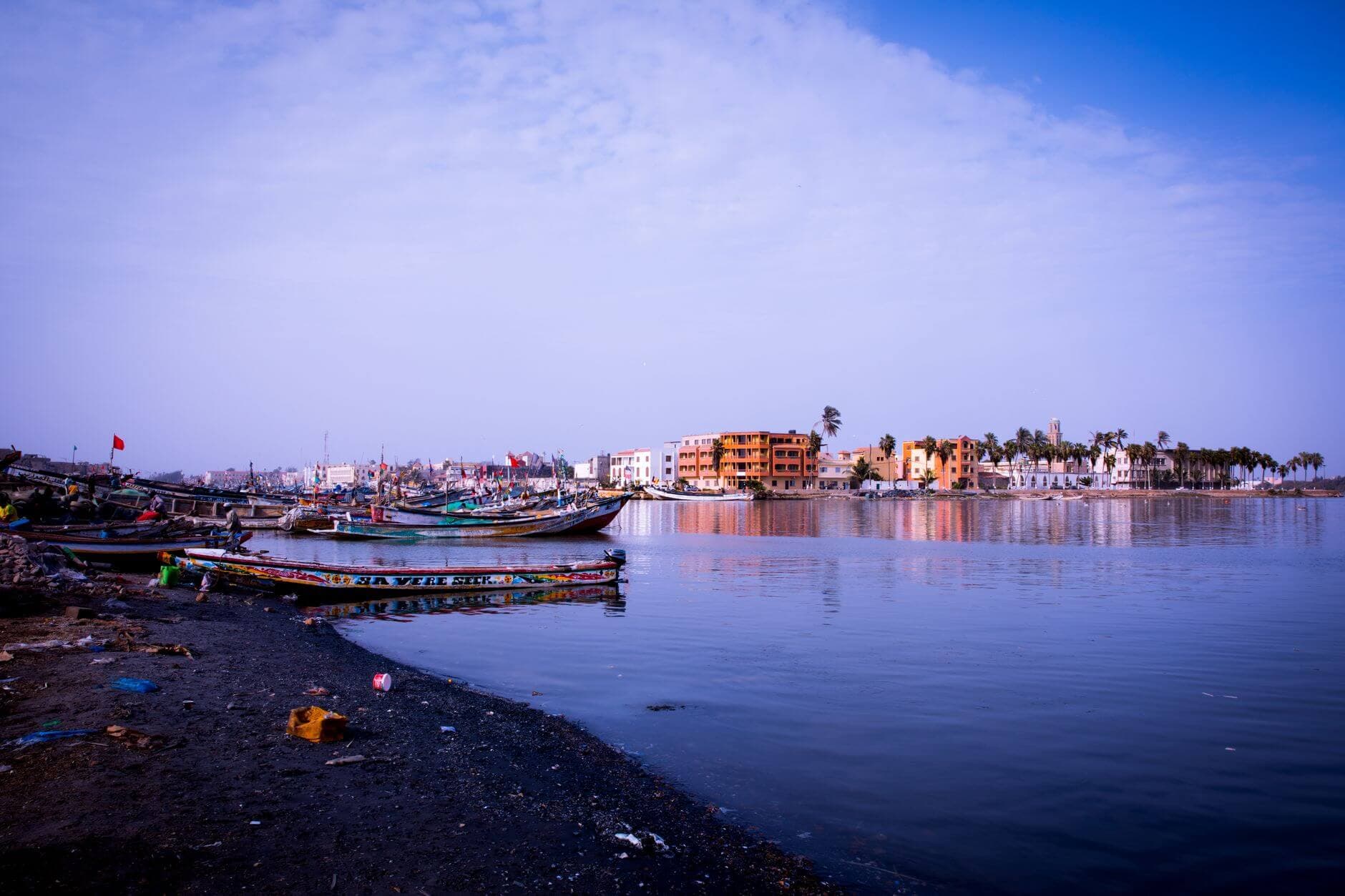
The only way to get to Gorée is by ferry from Dakar's port. The crossing takes approximately 20 minutes, and boats depart regularly throughout the day. It is recommended to arrive at the embarkation point with time to spare, especially on weekends and during peak season, as demand can be high.

The ticket price is affordable and is paid at the port. Foreign visitors pay a different rate than Senegalese residents. It's a good idea to bring cash in CFA francs for this and other expenses on the island.

Practical Tips for the Ferry Trip

  • Arrive at the port at least 30-40 minutes in advance.

  • Avoid peak hours (noon on weekends).

  • Bring sun protection and water, especially during the hottest months.

  • The ferry returns to Dakar until late in the afternoon; check the updated schedules at the port.

How Much Time to Dedicate to Visiting Gorée Island

At NeoGeo DMC, we organize guided tours to Gorée Island from Dakar, with guides specializing in Senegalese history and culture. If you want to make the most of your visit and not miss any detail, our tours are the best option for living this experience in a profound and enriching way.

Recommendations for a Respectful Visit

Gorée is, above all, a place of memory. Visiting the island implies a responsibility to respect the victims of slavery and the local community that inhabits it. Some recommendations:

  • Visit the House of Slaves with the attitude of someone who comes to learn and pay homage, not just to take photos.

  • Always ask before photographing local people.

  • Consume at local businesses: restaurants, artisans, guides.

  • Keep the island clean: do not leave trash on the streets or beaches.

  • Respect sacred spaces and historical monuments.

English

The Island of Gorée in the context of a trip to Senegal

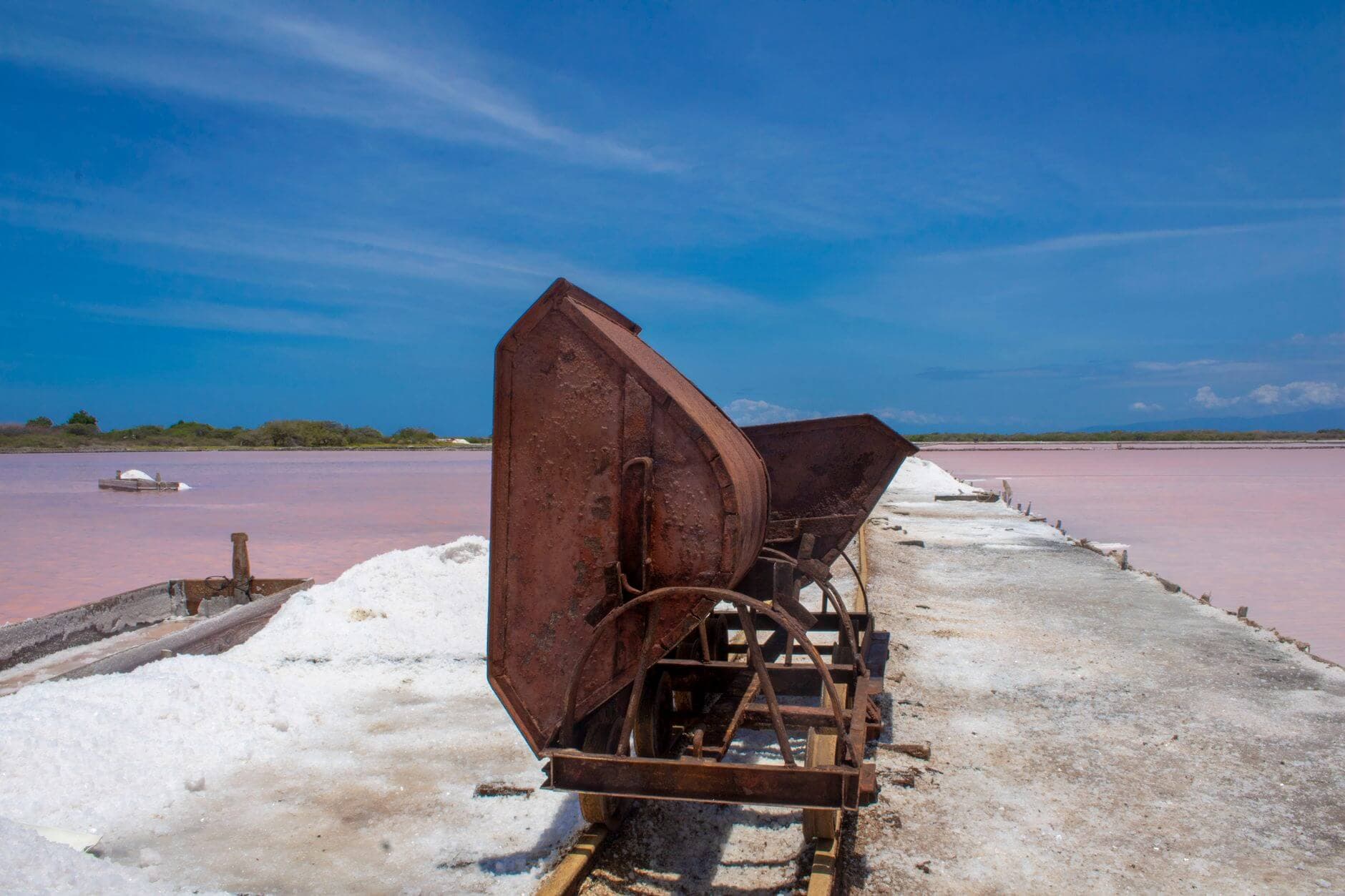
A visit to the island of Gorée fits perfectly into any Senegal itinerary. It can be combined with exploring Dakar and its bustling medina, a getaway to the Pink Lake, a safari through the Bandia Reserve, or the beaches of La Somone and Saly. Senegal is a country of extraordinary richness, and Gorée is, without a doubt, one of its most luminous and significant highlights.

That's why every NeoGeo program includes, as standard, a visit to the city, its markets, and the island of Gorée. These aren't optional extras added if time allows: they are core to every circuit we design, because we understand that Senegal cannot be truly understood without experiencing them.

If you're thinking about organizing a trip to Senegal, at NeoGeo DMC we'll help you design a tailor-made itinerary that includes this essential visit alongside all the experiences that make Senegal a unique destination in West Africa. Our Perlas de Senegal circuit makes it easy to discover Gorée.

Frequently Asked Questions About Visiting Gorée Island

Is it Necessary to Reserve the Ferry in Advance?

How Much Does the Entrance to the House of Slaves Cost?

The entrance to the House of Slaves has a very low symbolic cost. It's recommended to bring cash in CFA francs, as cards are not always accepted on the island.

Can You Eat on Gorée Island?

Yes. The island has several restaurants and small bars that serve traditional Senegalese cuisine, such as thiéboudienne (rice with fish) or yassa. It's a gastronomic experience that complements the cultural visit very well.

Is Gorée Island Suitable for Visiting with Children?

Yes, although it's advisable to prepare children for the historical content of the visit, especially in the House of Slaves. The island, with its car-free streets and tranquil atmosphere, is a safe and enriching environment for the youngest.

What is the Best Time of Year to Visit Gorée Island?

The best time to visit Senegal in general, and Gorée in particular, is between November and April, during the dry season. The temperatures are pleasant, there's no rain, and visibility on the ferry is excellent. However, the island can be visited throughout the year.

NeoGeo DMC Blog

Related articles

More articles