Back to blog

Gorée Island: History, Tourism, and the House of Slaves in Senegal

Gorée Island, a UNESCO World Heritage Site, is Senegal's most emotional destination. Discover its history, the House of Slaves, and how to visit it.

Published

July 28, 2026

Reading guide

5 min read

By

NeoGeo DMC

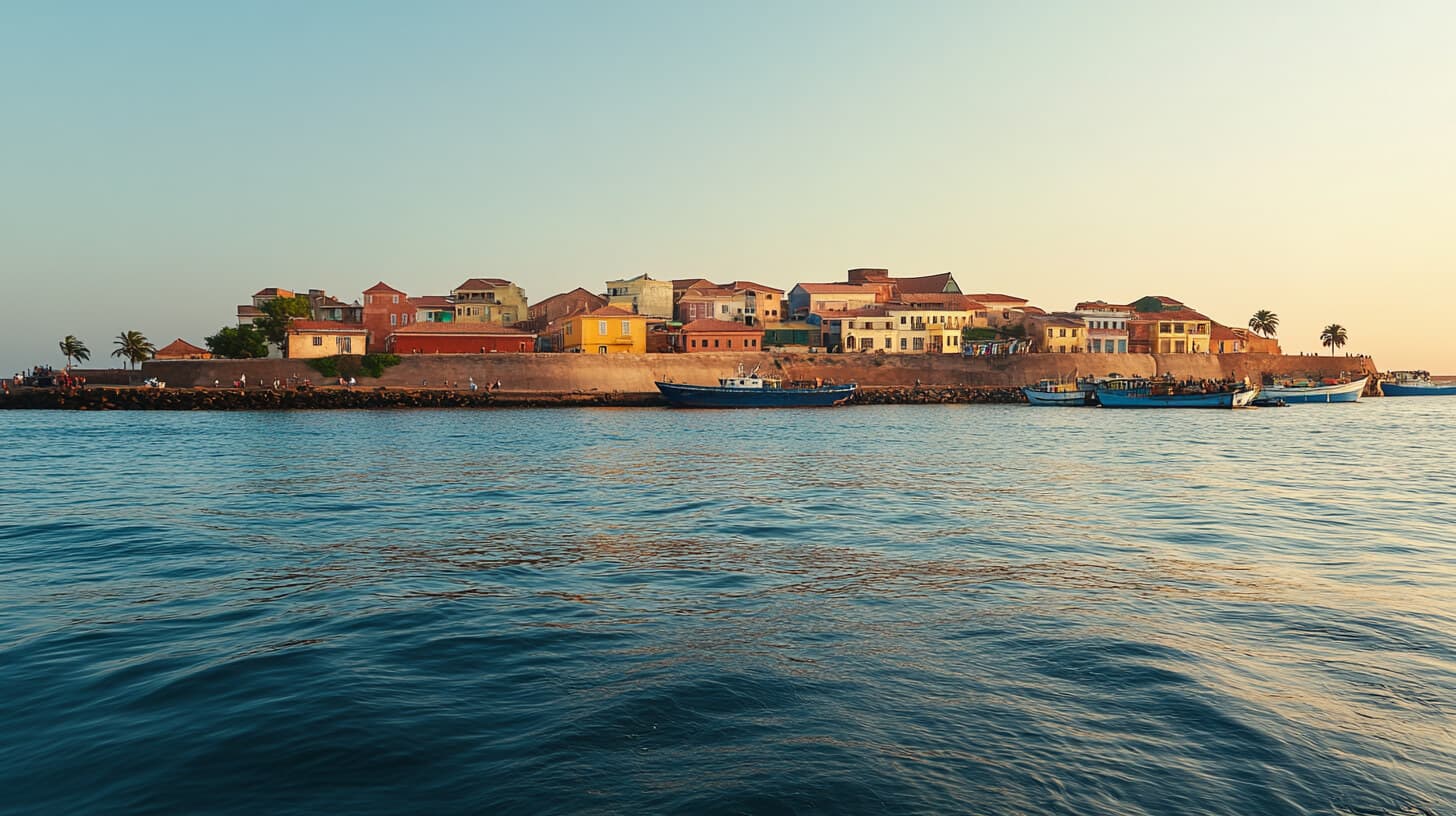
Vista de las coloridas casas coloniales de la isla de Gorée frente a la costa de Dakar, Senegal

Gorée Island: History, Tourism and the House of Slaves in Senegal

Just twenty minutes by ferry from Dakar, Gorée Island packs centuries of history into barely 0.18 km². Designated a UNESCO World Heritage Site in 1978, this small island off the Senegalese coast is one of the most moving and thought-provoking destinations on the African continent. Visiting it is far more than a sightseeing trip: it's a journey into one of the most painful chapters of human history, but also an encounter with the resilience, culture and beauty of Senegal.

A bit of history: from colonial port to symbol of memory

Gorée was inhabited and controlled successively by the Portuguese, Dutch, English and French from the 15th century until Senegal's independence in 1960. Its strategic position on the Atlantic made it a key stopover for transatlantic trade, including, tragically, the trafficking of enslaved people.

During the 17th, 18th and 19th centuries, thousands of Africans were held on the island before being shipped to the Americas and Europe. Gorée thus became a universal symbol of the memory of slavery and the struggle for human rights. Today, world leaders, intellectuals and travellers from across the globe make the journey there to reflect and pay tribute.

Gorée's role in the transatlantic slave trade

Although historians still debate the exact number of people who passed through Gorée compared with other points along the African coast, its symbolic value is undeniable. The island represents the point of no return for millions of people torn from their homeland, and its well-preserved colonial architecture stands as a living testimony to that period. You can visit Gorée with our guide as part of a full tour that also takes in Dakar and its markets.

The House of Slaves: the island's most visited site

Without question, the site with the greatest emotional impact on Gorée is the House of Slaves. Built around 1776, this two-storey building is one of the best preserved on the island and the most representative of the architecture of the slave-trading era.

The guided visit takes you through the cells where men, women and children were held in inhumane conditions, separated by sex, age and state of health. The tour ends at the famous Door of No Return: a small opening leading straight out onto the sea, through which enslaved people were shipped out with no possibility of ever returning to their homeland.

The Door of No Return

This threshold, perhaps the most photographed spot in all of West Africa, is not just a door: it's a symbol of rupture, loss and collective memory. Looking out through it, with the Atlantic Ocean beyond, produces a feeling that's hard to put into words. For many visitors, especially those from the African diaspora, it's experienced as a deeply personal and transformative moment.

The House of Slaves also houses a small museum with objects, documents and historical explanations. The local guides, deeply knowledgeable about the island's history, are essential to understanding the context and giving voice to those who never had one.

Gorée beyond history: what to see and do on the island

Gorée isn't only a place of memory. The island also offers a unique cultural and sensory experience that perfectly complements the historical visit.

Colonial architecture and colourful streets

Wandering the car-free streets of Gorée feels like stepping back in time. Colonial houses in shades of ochre, pink and blue, with wooden balconies and overflowing bougainvillea, create an almost dreamlike atmosphere. The island has no motor vehicles, which makes it especially peaceful and photogenic.

Museums and cultural spaces

Besides the House of Slaves, Gorée has several other sites of cultural interest:

• Gorée Historical Museum (IFAN): housed in the former Fort d'Estrées, it offers a complete overview of Senegal's history, from prehistory through the colonial era.

• Women's Museum: dedicated to the role of women in Senegalese and African society through the centuries.

• The Castle: ruins of the old fort, offering panoramic views over the Bay of Dakar.

Local food and craftwork

The island has small restaurants and terraces where you can try traditional Senegalese cooking: thiéboudienne (rice with fish), chicken yassa and other local dishes. It's also a good place to buy local crafts: textiles, sculptures, paintings and jewellery made by artists on the island.

How to get to Gorée Island

Getting to Gorée is easy and affordable. The ferry runs regularly from the Port of Dakar, and the crossing takes around 20 to 25 minutes. Schedules vary by season, so it's worth checking the current times before your visit. Tickets are very reasonably priced for both residents and foreign visitors.

It's a good idea to arrive early in the morning to enjoy the island with fewer visitors and make the most of the light for photographing the colonial architecture. The afternoon, on the other hand, offers a quieter atmosphere, and the sunset colours over the bay are spectacular.

Practical tips for visiting Gorée

• Recommended time: a full day is enough to see the main sights at an unhurried pace.

• Local guide: hiring an official island guide adds enormously to the visit, especially at the House of Slaves.

• Respect and quiet: Gorée is a place of memory. Visitors are asked to behave respectfully, particularly inside the House of Slaves.

• Comfortable shoes: the streets are cobbled and there's quite a bit of walking involved, so comfortable footwear is a must.

• Water: the heat in Dakar can be intense, so bring water and sun protection.

• Cash: although some places accept cards, it's worth carrying CFA francs in cash.

If you visit Senegal with NeoGeo DMC, our itineraries include a visit to Gorée as part of a broader cultural experience. Our specialist guides accompany you throughout, so the trip is both enriching and respectful of the site's history. Check out our tours of Senegal and let our team advise you.

Gorée and UNESCO: a heritage that belongs to everyone

Gorée's inclusion on the UNESCO World Heritage List in 1978 recognised its universal historical and cultural value. The island doesn't belong to Senegal alone: it belongs to the collective memory of humanity. Preserving it is a shared responsibility, involving both the Senegalese authorities and the visitors who walk its streets every year.

Ultimately, visiting Gorée is an act of remembrance. It means recognising that history, however painful, must not be forgotten, because only through knowledge and reflection can we build a more just and humane future.

The Easy Going Senegal programme includes a visit to Gorée Island, with entrance tickets included, along with a visit to Dakar.

Frequently asked questions about Gorée Island

How much time do you need to visit Gorée Island?

A full day is enough to see the House of Slaves, the main museums and wander the colonial streets. If you're travelling with children or prefer a slower pace, you can dedicate the whole day to it.

Do you need to hire a guide to visit the House of Slaves?

It isn't compulsory, but it's highly recommended. Local guides add historical context, anecdotes and a perspective that greatly enriches the visit. You can hire an official guide directly on the island, or include one as part of your organised tour with NeoGeo DMC. In that case, the ferry, entrance tickets, a professional guide and a tour of Dakar and its main markets are all included. See how we work at NeoGeo in this video.

What's the best time of year to visit Gorée?

The best time to visit Senegal and Gorée Island is between November and April, during the dry season. Temperatures are more pleasant and rainfall is lower. Avoid July to September if you're sensitive to heat and humidity.

Can children visit Gorée Island?

Yes, Gorée is suitable for visitors of all ages. That said, the visit to the House of Slaves can be emotionally intense. It's a good idea to prepare children beforehand with an age-appropriate explanation, so they can understand and process what they'll see.

Is Gorée included in NeoGeo DMC's Senegal tours?

Yes. NeoGeo DMC offers itineraries around Senegal that include a visit to Gorée Island as part of a complete cultural experience. Get in touch with our team to design a trip tailored to your interests and dates.

NeoGeo DMC Blog

Related articles

More articles