Best time to visit Casamance: complete seasonal guide
Casamance is, for many travelers, Senegal's best-kept secret. Its mangrove forests, its almost virgin beaches, its rich Diola culture and its unhurried pace of life make it a destination that deserves careful planning. And that planning inevitably begins with one question: when is the best time to visit Casamance? The answer depends on what you're looking for, because the region has two very different faces depending on the time of year you visit it.
Unlike other areas of Senegal, Casamance receives considerably more abundant rainfall during the wet season, which radically transforms its landscape. That's why understanding the climatic cycle of this region is the first step to designing a trip that lives up to your expectations.
Casamance's climate: two clearly differentiated seasons
Casamance has a tropical climate with two clearly marked seasons. The dry season, which runs approximately from November to May, offers sunny days, pleasant temperatures and scarce rainfall. It's the period when rural roads are passable, lodges and camps open fully and wildlife concentrates around water sources, facilitating sightings. During these months, temperatures range between 20 °C at night and 33-35 °C during the central hours of the day, with an Atlantic breeze that softens the heat in coastal areas.
The rainy season, which extends from June to October, transforms the region into a mosaic of intense greens. Rainfall can be torrential, especially between July and September, and some dirt roads become impassable. However, this period has its own charm: the landscape reaches extraordinary vegetation exuberance, the rice paddies come to life and the agricultural activity of the Diola communities turns each village into a living picture of tradition and collective work.
The best time to visit Casamance: November to February
If you're looking for the most comfortable travel conditions, the months of November, December, January and February represent the sweet spot of the season. The rains have completely ceased, the landscape still retains some greenery thanks to accumulated moisture and temperatures are the mildest of the year. It's also the time when avian fauna reaches its maximum splendor, as Casamance becomes a key refuge for migratory birds from Europe and Central Asia.
For birdwatching enthusiasts, this period is simply exceptional. The Kalissaye reserve, the mangroves of the Casamance River estuary and the forests of the Oussouye area concentrate an ornithological diversity that has no equal in the subregion. From NeoGeo DMC we organize bird-watching excursions adapted to all levels, from the casual observer to the experienced ornithologist looking for specific species.
December and January also coincide with the high tourist season throughout the region, which means that the most popular accommodations and excursions can fill up quickly. If you plan to travel during these dates, booking in advance is essential to ensure you get the best options.
March, April and May: late high season
As the dry season progresses, temperatures begin to rise progressively. March and April are still excellent months to visit Casamance, although the heat becomes more noticeable during the central hours of the day. The advantage of traveling during these dates is that tourist numbers decrease significantly compared to December and January, which translates into more affordable prices and a more peaceful experience at the main points of interest.
May marks the transition to the rainy season. The first rains may appear at the end of the month, although irregularly and generally briefly. For the traveler who wants to combine climatic comfort with the possibility of seeing the landscape begin to awaken, May can be an interesting option, as long as you accept some meteorological unpredictability.
The rainy season: for adventurous and culturally curious travelers
Traveling to Casamance during the rainy season is not for everyone, but it is for those seeking authentic cultural immersion and who aren't afraid of rain. Between June and October, the region lives at a completely different pace: the Diola communities devote themselves to rice farming, traditional rituals and celebrations intensify and the landscape acquires a wild and exuberant beauty that no photograph can fully capture.
Furthermore, the rainy season coincides with some local festivities of great ethnographic interest. Initiation rituals, sowing ceremonies and community gatherings that mark the agricultural calendar offer the traveler a privileged window into Diola culture, one of the most cohesive and original in West Africa. That said, it's essential to have a trusted local guide and well-planned logistics, as access conditions to some areas can become considerably complicated.
From NeoGeo DMC we can advise you on the most appropriate options even during the rainy season, selecting destinations and activities that remain accessible and safe during this period.
How many days do you need to visit Casamance?
This is one of the most frequent questions from those approaching this region for the first time, and the honest answer is: more than you think. Casamance is not a destination that can be "completed" in a weekend. Its richness lies precisely in slowness, in letting yourself be carried along by the rhythm of the villages, in navigating the mangrove channels without haste and in sharing a meal with a local family.
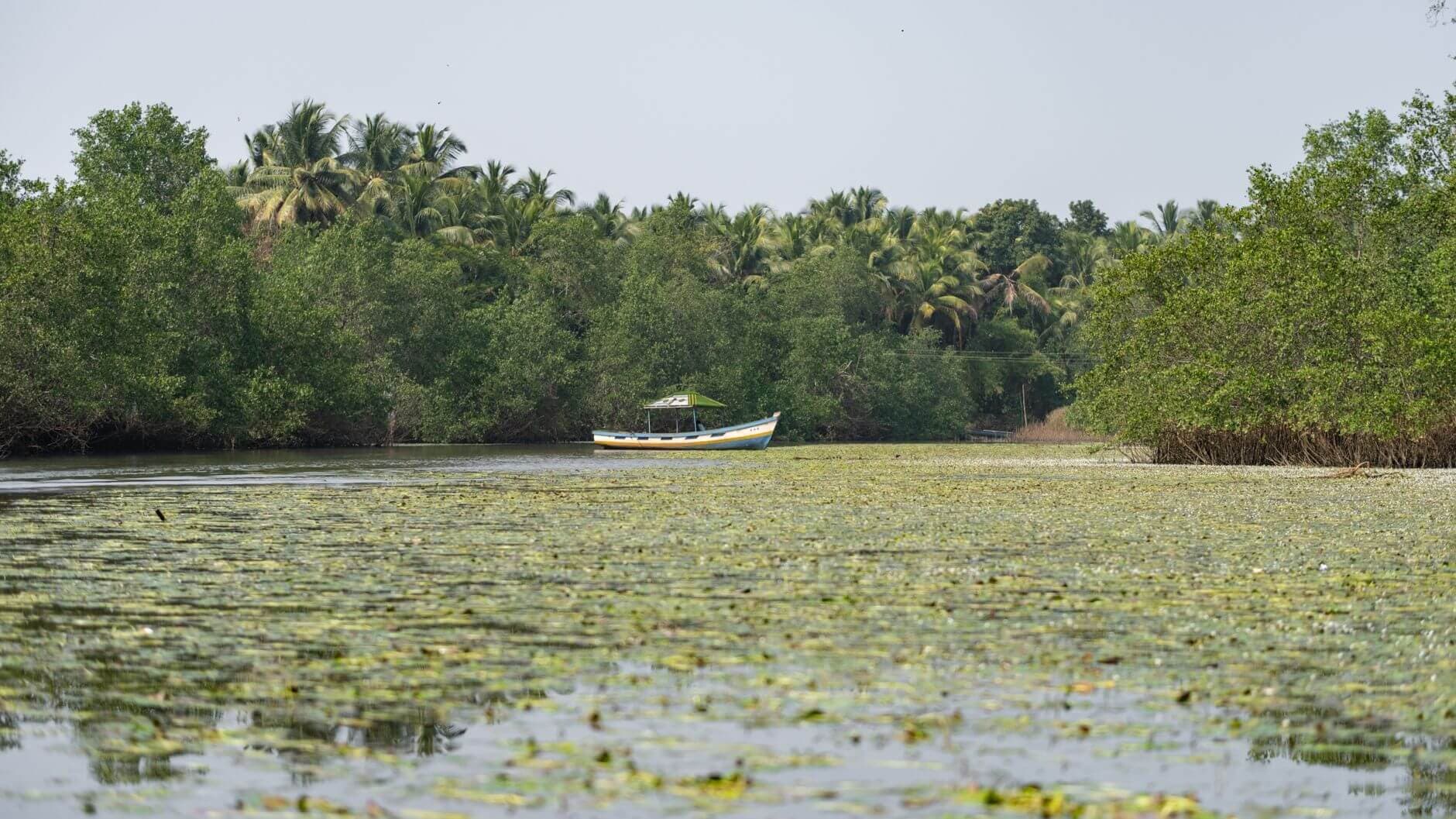
For a first visit that allows you to discover the essential points —Ziguinchor, Cap Skirring, Oussouye, the mangroves of the estuary and a Diola village in the interior—, the ideal is to have a minimum of five to seven days. With this time you can combine the southern beaches, one or two excursions by canoe or kayak through the mangrove channels, a visit to Ziguinchor's markets and an immersion in the rural life of local communities.
If your goal is to delve deeper into Diola culture, do serious birdwatching or explore more remote areas like the Parc National de la Basse Casamance or the villages in the interior of Oussouye, then plan at least ten days. This pace will allow you to move without stress, adapt to the unforeseen circumstances of a trip to West Africa and, above all, truly connect with the region and its people.
Casamance also combines naturally with other regions of Senegal or with Gambia, so if you're designing a broader itinerary through West Africa, our team at NeoGeo DMC can help you structure a coherent route that makes the most of your available time.
Festivals and events that shape the calendar
Beyond the weather, Casamance's cultural calendar can be a decisive factor when choosing your travel dates. Throughout the year, Diola communities celebrate a series of rituals and festivities tied to the agricultural cycle, rites of passage, and an animist spirituality that coexists with Islam and Christianity in a blend unique in the world. Although many of these celebrations don't have fixed dates on the Gregorian calendar, January and February tend to concentrate some of the most accessible ones for outside travelers.
Music also plays a central role in Casamance's cultural life. The rhythm of the kora, drums, and traditional dances are part of everyday life, but they reach a special intensity during festivities. Consulting local operators like NeoGeo DMC before your trip will let you know whether your dates coincide with any particularly significant event that could enrich your experience.
If you want to experience this cultural richness firsthand, at NeoGeo DMC we offer Full Casamance: An Immersion in the Diola Communities, the most complete program on the market to discover the region and its people. You can get a feel for the experience in this video: https://youtube.com/shorts/PRWSKtkKino
Frequently asked questions about when to visit Casamance
What is the ideal month to visit Casamance for the first time?
If it's your first visit and you prioritize climatic comfort, December and January are the most recommended months. The weather is stable, temperatures are pleasant and the tourist offering is at its peak. However, if you prefer to avoid the concentration of tourists, February or March offer equally good conditions with less crowding.
Can you travel to Casamance in August?
Yes, although with caveats. August is the month of greatest rainfall intensity, which can hinder access to some rural areas and limit certain outdoor activities. However, it's also the period of greatest cultural and agricultural activity in Diola communities, which can become a very enriching experience for the curious and flexible traveler. It's essential to have good logistical organization and a trusted local guide.
How many minimum days do I need to see the essentials of Casamance?
With five days you can get a fairly complete idea of the region if you concentrate on the main points: Ziguinchor, Cap Skirring and an excursion through the mangroves. However, for a deeper and unhurried experience, the ideal is to plan between seven and ten days. Casamance rewards slowness.
Is it very hot in Casamance during the dry season?
Temperatures during the dry season are warm but generally bearable, especially in coastal areas where the Atlantic breeze helps moderate the heat. The coolest months are December, January and February, with highs around 30-32 °C. March and April are already warmer, and May can be stifling in the interior of the region.
Is it safe to travel to Casamance?
Casamance has experienced decades of relative political tension in the past, but currently the situation is considerably more peaceful and the region receives visitors from around the world without significant incidents. As with any destination, it's advisable to inform yourself before your trip about current conditions, hire the services of a trusted tourism operator and follow the recommendations of local guides. From NeoGeo DMC we constantly monitor safety conditions to guarantee the peace of mind of our travelers.