Yes, you can travel to Senegal during Ramadan, and it is an especially rewarding time if you want a deep cultural experience. Most tourist services keep running, social life comes alive after the fast is broken (the ndogou), and local hospitality, known as teranga, becomes even warmer. You only need to adapt your schedule, dress code and daytime plans.
Written by the NeoGeo DMC team, a Spanish-owned destination management company (DMC) with its own legal entity and staff in Dakar, operating in Senegal and The Gambia. Last updated: 9 November 2026.
In this guide
When is Ramadan in Senegal? Dates 2026-2028
Ramadan follows the Islamic lunar calendar and moves forward by about 10-11 days each year. In Senegal, the start and end are confirmed by moon sighting, so the official date can differ by one day from the forecast.
YearApproximate startApproximate end (Korité)202618 February [VERIFICAR]19-20 March [VERIFICAR]20278 February [VERIFICAR]9-10 March [VERIFICAR]202828 January [VERIFICAR]26-27 February [VERIFICAR]
Always confirm the exact date before booking flights and accommodation.
What is Ramadan and how is it lived in Senegal?
Ramadan is the ninth month of the Islamic calendar, during which Muslims fast from dawn to sunset. In Senegal, where Islam is deeply rooted in national identity, the month takes on an extraordinary social and community dimension. Streets, markets and homes fill with an atmosphere of reflection, generosity and nighttime celebration.
The Mouride and Tidjaniyya brotherhoods, among others, give Ramadan its own character, with communal prayers, religious chanting and very visible solidarity. Teranga, Senegal's legendary hospitality, intensifies: locals often invite foreigners to share the ndogou (iftar in Arabic), the meal that breaks the fast at sunset.
How the daily rhythm changes during Ramadan
Many businesses open later and close before ndogou. After the fast is broken, activity picks up again: night markets, food stalls and the streets of Dakar, Saint-Louis or Ziguinchor stay lively well into the night.
ServiceWhat to expectRestaurantsTourist-oriented places usually open by day; local eateries may close or offer a reduced menu until sunset.MarketsTraditional markets such as Sandaga in Dakar are usually active, with fewer people in the middle of the day.TransportTaxis and public transport run as usual; demand rises just before and after ndogou.Offices and museumsOpening hours may be reduced. Check before you go.
Ramadan nights: the liveliest moment
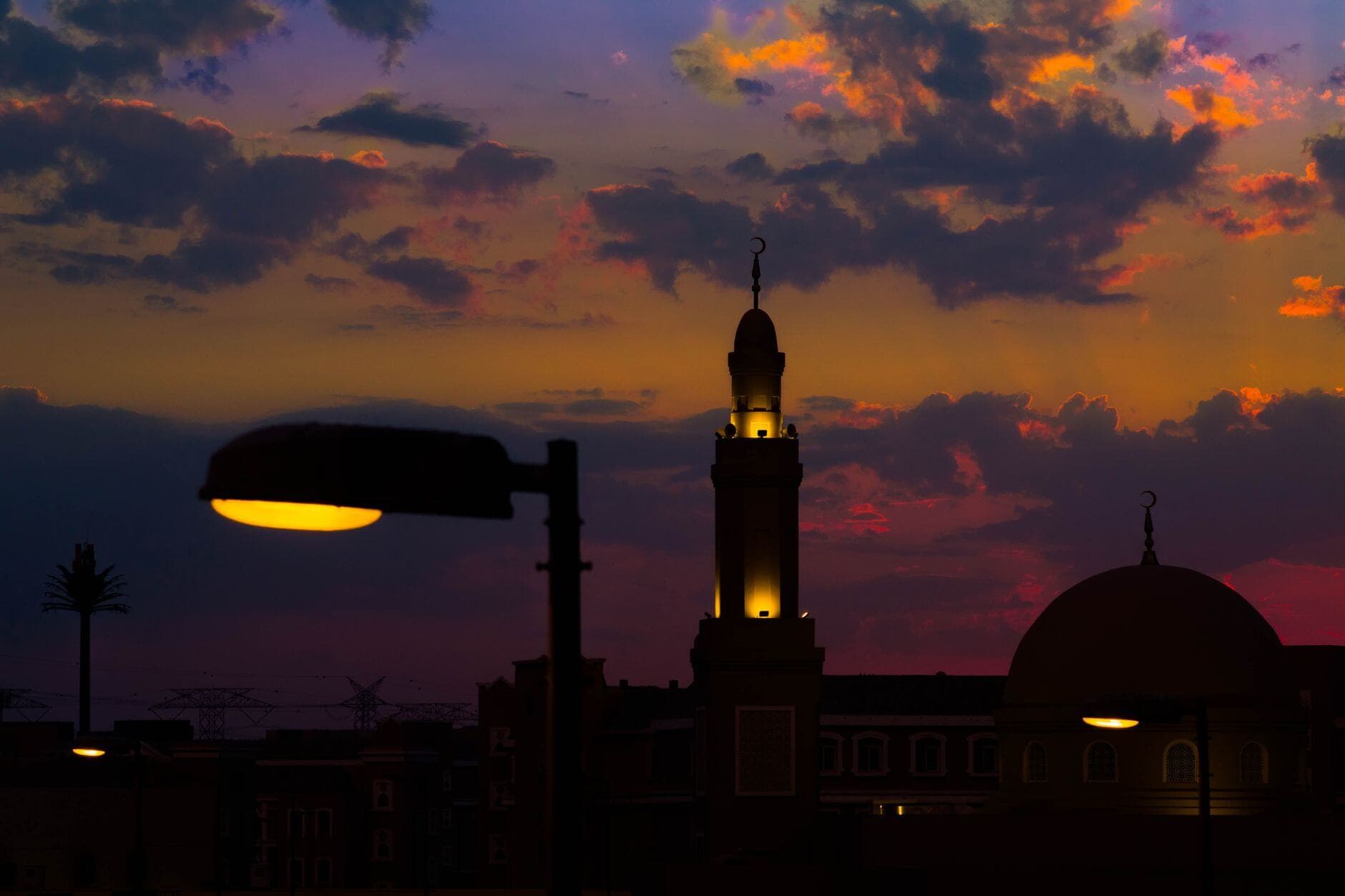
If the day feels quieter, the night is the opposite. After ndogou, families gather, neighbors visit each other and squares fill with conversation and music. In cities like Dakar, street vendors sell traditional sweets and illuminated mosques create an unforgettable sight and sound. For tourists, this is the best time to stroll and connect with local culture.
Customs and etiquette: how to respect local culture
You are not expected to fast, but showing respect to those who do is essential. Five key guidelines:
Avoid eating, drinking or smoking in public during the day. You are not obliged to fast, but doing so in private spaces, hotels or tourist restaurants is greatly appreciated.
Dress modestly. Cover shoulders and knees, especially in residential neighborhoods, mosques and markets.
Keep the volume down. Be discreet with loud music and conspicuous behavior, especially at dawn (fajr) and sunset (maghrib).
Accept invitations to ndogou. Sharing the breaking of the fast is one of the most sincere gestures of hospitality you will receive.
Ask permission before taking photos of prayers, family meals or private moments.
Ramadan food: what is eaten at ndogou
Breaking the fast is also a culinary celebration. Typical dishes and drinks on these nights include:
Thiéboudienne: the national dish, rice with fish, often prepared with special care for the evening meal [VERIFICAR].
Ndambé: a black-eyed pea stew, popular as a starter [VERIFICAR].
Bissap: hibiscus drink, refreshing after the fast.
Café Touba: Senegal's spiced coffee, present at any evening gathering.
Thiakry: a dessert of millet couscous with fermented milk and sugar [VERIFICAR].
If you love local food, Ramadan is, paradoxically, one of the best times to discover it at its most authentic and festive.
Is it worth traveling to Senegal during Ramadan?
It depends on what you are looking for:
Your priorityDuring Ramadan…Cultural immersion and meeting peopleIdeal time: ndogou, lively nights, heightened teranga.Intense daytime excursionsPossible, but plan for early starts and adjust the pace.Local food in traditional restaurants by dayLimited options; better to dine after ndogou.
At NeoGeo DMC we design Senegal itineraries all year round, including Ramadan. Our local team understands the cultural nuances of this month and adapts schedules, visits and stops so you can enjoy it while respecting the local context.
Practical information for traveling to Senegal
TopicInformationCurrencyWest African CFA franc (XOF)Visa[VERIFICAR current requirements by nationality]Health and vaccines[VERIFICAR current official recommendations, incl. yellow fever]SafetyCheck your government's official travel advice [VERIFICAR link]LanguagesFrench (official) and Wolof, among other languages
Tips for planning your trip
Book accommodation in advance, especially in the last days of Ramadan and around Korité.
Carry daytime snacks and eat them at your hotel or in private spaces.
Do cultural visits early in the morning, for monuments, beaches and markets.
Check the dates against the lunar calendar before booking.
Learn a couple of greetings: "Ramadan Kareem" or "Inshallah" open many doors.
Experiences you will only have during Ramadan
Hear the nightly tarawih prayers from outside the great mosques of Dakar or Touba, respectfully.
Walk through night markets and street food stalls after ndogou.
Share an ndogou with a Senegalese family.
Experience Korité, with mass prayers, new clothes and a joyful atmosphere.
Travel with NeoGeo DMC
Travelers: we design a cultural itinerary adapted to Ramadan with you. Request your tailor-made proposal [VERIFICAR URL].
Travel agencies and tour operators: we are a DMC with our own legal entity and staff in Dakar. Request rates and programs for your clients [VERIFICAR URL].
Frequently asked questions about Ramadan in Senegal
Can you travel to Senegal during Ramadan?
Yes. Senegal welcomes tourists throughout Ramadan, and most hotels, excursions and transport keep operating. Local shop hours change and it is wise to adapt your dress and public behavior. It is a very rewarding time for cultural immersion, and teranga stays as warm as ever or becomes even stronger.
When is Ramadan in Senegal in 2027?
According to the astronomical calendar, it would begin around 8 February and end around 9 March. The exact date in Senegal depends on moon sighting and is announced by the country's religious authorities, so it can vary by a day. Confirm it before booking. [VERIFICAR]
Can I eat and drink in public during Ramadan in Senegal?
There is no legal ban for tourists, but discretion is recommended: ideally inside restaurants, hotels or private spaces. Avoid eating, drinking or smoking in the street, markets or residential areas in broad daylight. It is a sign of respect toward those who are fasting and is greatly appreciated. [VERIFICAR]
Are restaurants closed during the day in Ramadan?
Tourist-oriented restaurants usually stay open during the day. Traditional local eateries may have shorter hours or only open at sunset. The easiest approach is to ask at your accommodation what is available in each area and book dinners for after ndogou, when activity picks up again.
Is it safe to travel to Senegal during Ramadan?
Ramadan does not add risk for visitors: the atmosphere is reflective and travelers are welcome. As with any destination, check your government's official travel advice before departure and travel with a local operator or guide, especially outside the main tourist areas. [VERIFICAR]
What should I wear in Senegal during Ramadan?
Light but modest clothing: trousers or skirts below the knee and tops that cover the shoulders. This matters most in residential neighborhoods, markets, mosques and inland towns. Beach areas used by tourists are more relaxed, but it is best to cover up when you leave them.
Can I visit the Great Mosque of Touba during Ramadan?
Touba is one of the holiest places of Islam in Senegal, and religious activity intensifies during Ramadan. Non-Muslims generally cannot enter the mosque, but they can admire it from the outside. Going with a local guide who knows the rules of the site is recommended. [VERIFICAR]
What is Korité and how does it affect my trip?
Korité is the Senegalese name for the festival that ends Ramadan (Eid al-Fitr). Expect mass prayers, new clothes and a warm family atmosphere, but many shops close for a day or two and transport gets crowded. Book accommodation and transfers early if your trip falls on those dates.