Petite Côte Senegal: the coast that captivates travelers
There are places that capture you from the very first moment you set foot on the sand. The Petite Côte of Senegal is one of them. Stretching south of Dakar for more than one hundred kilometers of Atlantic coastline, this coastal strip concentrates everything a traveler could desire: golden sand beaches, colorful fishing villages, lush nature, and a cuisine that smells of the sea and spices. It is no coincidence that it is one of the most beloved destinations for tourism in West Africa.
Unlike other more crowded African coasts, the Petite Côte maintains a delicate balance between tourist offerings and the daily life of its inhabitants. Here, beachfront resorts with bungalows coexist with family camps where locals spend their weekends. That authentic mix is precisely what makes it an unforgettable experience for those seeking something more than a simple sun and beach getaway.
From Mbour to La Somone: the great protagonists of the coast
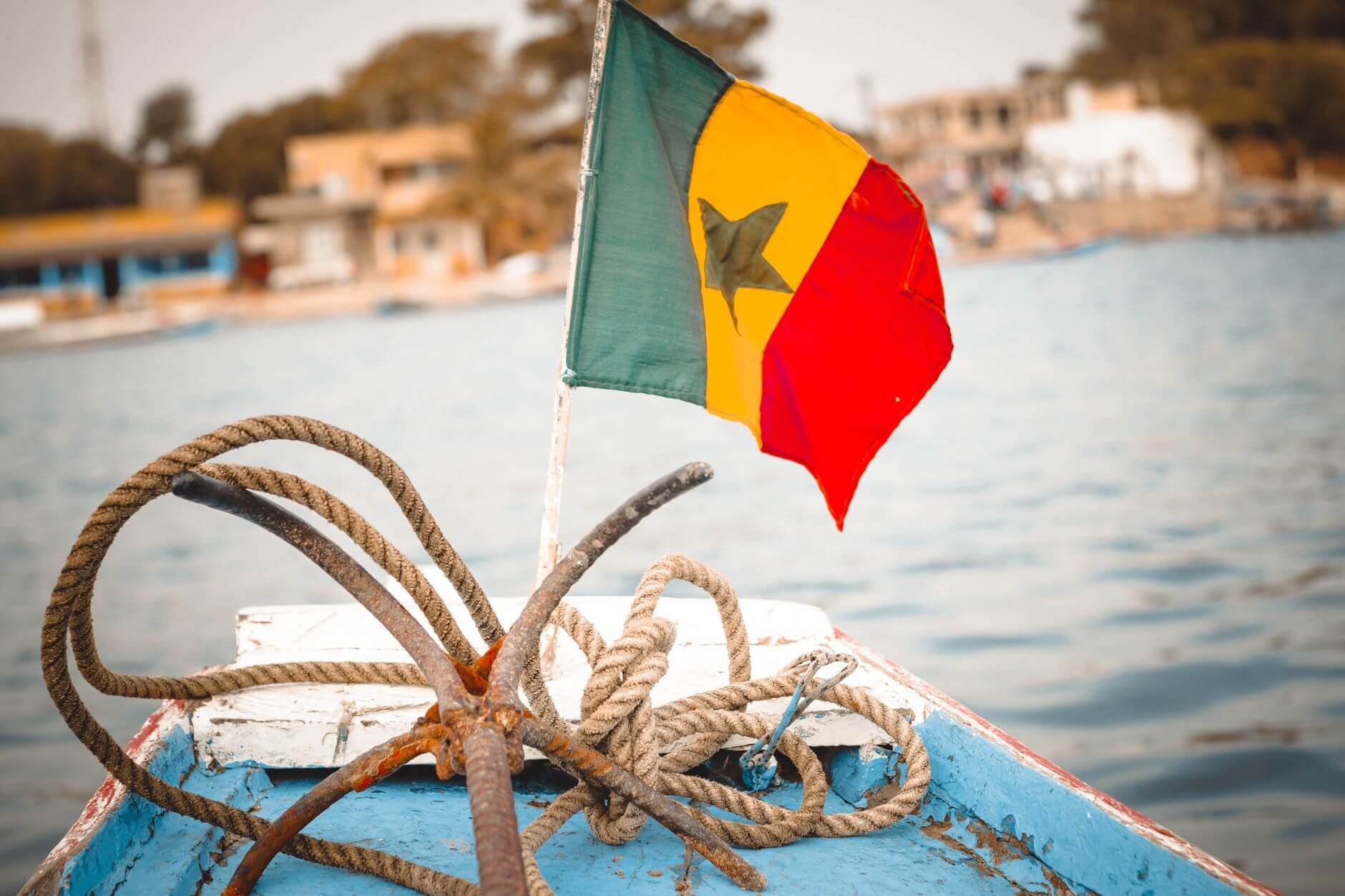
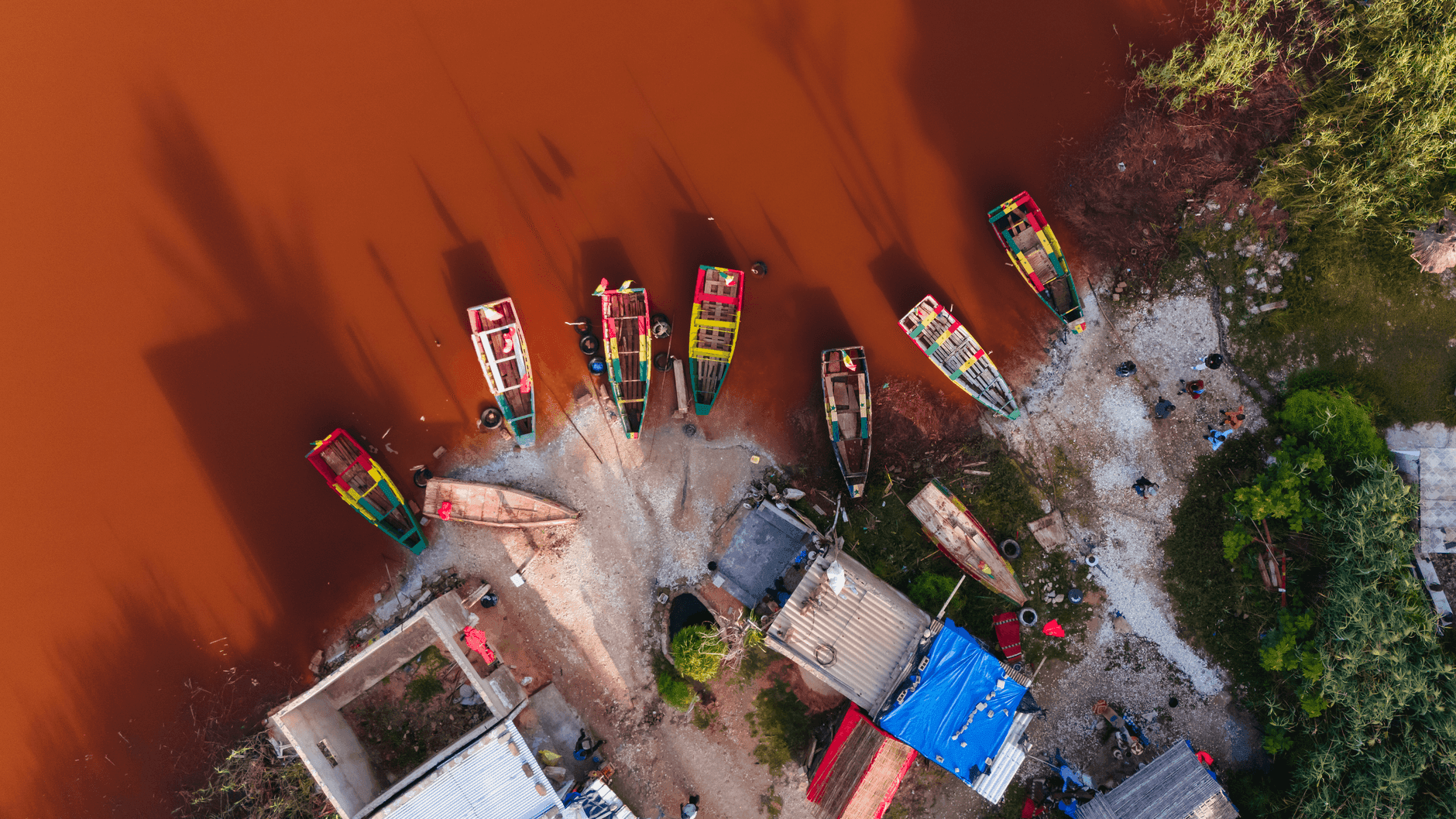
The heart of the Petite Côte beats strongly in Mbour, the most important city in the area and one of the most active fishing ports in all of Senegal. Arriving at the port at sunset, when the multicolored pirogues return laden with grouper, barracuda, and lobster, is a priceless experience. The atmosphere is frenetic, the colors are intense, and the smell of the sea permeates absolutely everything. It is the type of scene that gets etched in your memory forever.
A few kilometers to the north lies Saly-Portudal, the most touristy locality on the coast, with a varied hotel offering and a lively cultural nightlife. Although some travelers perceive it as too commercial, Saly remains a perfect starting point for exploring the surroundings. Its beaches are wide, the water is warm for most of the year, and the tourist infrastructure greatly facilitates the first days of adjustment for those arriving in Senegal for the first time.
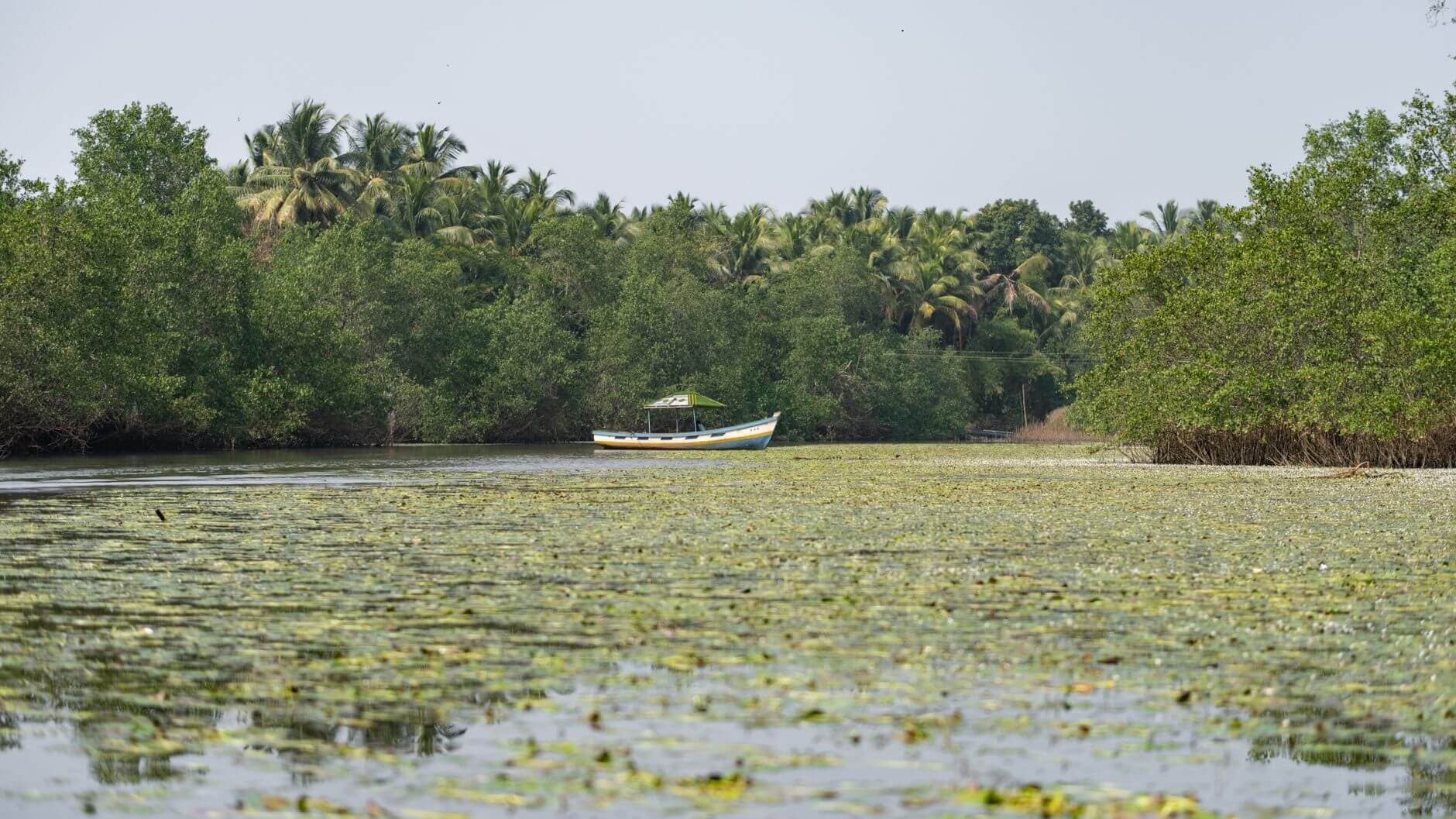
Further south, La Somone offers a completely different face. This small locality, protected by a mangrove lagoon declared a natural reserve, is a paradise for nature lovers and water sports enthusiasts. Kayaking through the mangroves at sunrise is one of the most requested activities in the area, and for good reason: the lagoon is home to dozens of bird species and the vegetation creates an almost surreal landscape. From NeoGeo DMC we organize kayaking excursions and pirogue tours through the La Somone lagoon adapted to all levels, perfect for families and solo travelers.
Nature and biodiversity: much more than beach
The Petite Côte of Senegal is not just sand and sun. The natural environment surrounding it is extraordinarily rich and diverse. The La Somone Natural Reserve is the best-known example, but not the only one. Along the coast there are estuaries, coastal lagoons, and baobab forests that form unique ecosystems in which wildlife coexists with local communities in an almost harmonious way.
Birdwatching enthusiasts will find exceptional territory here. Pelicans, gray herons, kingfishers, and pink flamingos are some of the species that can be spotted with relative ease, especially in the boreal winter months, when migratory birds from Europe arrive on these coasts in search of warmth. So, if you travel between November and February, don't forget to bring good binoculars: the spectacle is guaranteed.
In addition to birds, the marine area also offers memorable experiences. Snorkeling and diving allow you to discover a surprisingly varied underwater world, with rock reefs, colorful fish, and, if luck is on your side, sea turtles that frequent these waters. Our local guides know the best diving spots and can accompany you on a custom excursion that combines coastal and underwater nature in a single day.
Culture and gastronomy: the soul of the Petite Côte
Traveling to the Petite Côte without immersing yourself in its culture would be getting only half the experience. The communities that inhabit this coast, mostly of Serer and Lébou ethnicity, maintain ancestral traditions that manifest themselves in the architecture of the villages, in the music that plays in the afternoons, and in rituals related to fishing. Visiting a fishing village with a local guide is a respectful and enriching way to understand how people on this coast live.
Gastronomy is another major attraction of the area. The thiéboudienne, considered the national dish of Senegal, reaches a particularly flavorful expression here thanks to the freshness of freshly caught fish. Prepared with red rice, vegetables, and a tomato and spice sofrito that varies according to each cook, this dish is a declaration of love for seafood products. Trying it in a restaurant in Mbour or in a local family's home is a gastronomic experience you will hardly forget.
Beyond thiéboudienne, the markets in the area offer an explosion of flavors and aromas: tropical fruits such as mango, papaya, and soursop, spices brought from the interior of the country, and artisanal sweets made with peanuts and honey. Strolling through the Mbour market on a big market day is in itself a first-rate tourist activity, full of color, noise, and authentic life.
How to get there and move around the Petite Côte
The Petite Côte of Senegal is one of the most accessible destinations in the country. Blaise Diagne International Airport in Dakar connects Senegal with numerous European and African cities, and from there the distance to Saly or Mbour is covered in approximately one and a half hours by road. The toll highway connecting Dakar with Mbour has significantly improved communications in recent years, reducing travel times and making the journey much more comfortable.
Once in the area, the best way to get around is to hire a vehicle with a local driver, who knows the secondary roads that lead to the most hidden beaches and least visited villages perfectly. Taxis-brousse and sept-place are economical options widely used by more independent travelers, although they require some patience and schedule flexibility. From NeoGeo DMC we offer private and comfortable transfers from the airport to any point on the Petite Côte, with bilingual drivers who can also serve as first welcome guides.
When is the best time to visit the Petite Côte
The dry season, which extends approximately from November to May, is the ideal period to visit the Petite Côte. During these months the sky is clear, temperatures are pleasant, and the sea presents perfect conditions for swimming and water sports. It is also the time when migratory birds arrive, which multiplies the appeal for nature lovers.
The rainy season, between June and October, transforms the landscape in a spectacular way: green takes over everything, the baobabs recover their foliage, and the atmosphere is much quieter and more authentic. Although rains can be intense and some roads become difficult to traverse, travelers who choose this time enjoy lower prices, fewer tourists, and a more intimate and genuine Senegal. For those who are not afraid of rain and seek a different experience, the wet season has a special charm that is worth considering.
Frequently asked questions about the Petite Côte of Senegal
Is it safe to travel to the Petite Côte of Senegal?
The Petite Côte is one of the safest and most consolidated tourist areas in Senegal. As in any destination in the world, it is recommended to take basic precautions: do not leave valuables on the beach unattended, use trusted local guides, and contract services through recognized tour operators. Senegal is considered one of the most stable and welcoming countries in West Africa, and the hospitality of its people is legendary.
What activities can I do on the Petite Côte?
The possibilities are very broad. From water sports such as surfing, kitesurfing, kayaking, and snorkeling, to cultural excursions to fishing villages, visits to local markets, birdwatching in the La Somone lagoon, and tasting Senegalese gastronomy. It is also possible to organize day trips to the Saloum Delta or to Dakar, which allows you to combine coastal relaxation with exploring other destinations in the country.
Do I need a visa to travel to Senegal?
Citizens of the European Union and many other countries do not need a visa to enter Senegal for stays of up to ninety days. However, regulations may vary depending on nationality and may change, so it is always recommended to consult with the embassy or consulate of Senegal in your country of residence before traveling, or ask your tour operator directly.
What is the best base for exploring the Petite Côte?
Saly-Portudal is the most popular option due to its wide range of accommodation and its central position on the coast. However, La Somone is a quieter and more natural alternative, ideal for those seeking rest and contact with nature. Mbour, on the other hand, offers a more authentic and less touristy experience, perfect for travelers who want to immerse themselves in Senegalese daily life. The choice depends on the type of experience you are looking for.
Can I visit the Petite Côte with children?
Absolutely. The Petite Côte is a very family-friendly destination. The beaches are quiet and safe in many stretches, the water is warm, and activities such as kayaking in the La Somone lagoon or visiting the Mbour port are fascinating experiences for the little ones. From NeoGeo DMC we design custom family itineraries that combine fun, cultural learning, and comfort for all family members.