Niokolo-Koba National Park and Djoudj Reserve: the great natural spaces of Senegal
Senegal is much more than golden sand beaches and vibrant markets. In its interior and on its coasts, two of the most impressive protected natural spaces in West Africa are hidden: the Niokolo-Koba National Park and the Djoudj Natural Reserve. Both are UNESCO World Heritage Sites and represent essential destinations for any traveler who wants to connect with African nature in its pure state. In this guide, we tell you everything you need to know to plan your visit.
Niokolo-Koba National Park: the wild jewel of the southeast
Located in the southeast of Senegal, near the border with Guinea and Guinea-Bissau, the Niokolo-Koba National Park is the largest protected area in the country. With over 900,000 hectares of savannah, gallery forest, and wetlands, this park was declared a UNESCO World Heritage Site in 1981 and, although it is also on the list of Heritage in Danger, it remains one of the richest ecosystems in the region.
Wildlife: what animals can you see?
The park's biodiversity is extraordinary. Among its most emblematic inhabitants are:
Lions: although their population has decreased, the park is home to one of the last strongholds of lions in West Africa.
Elephants: present in herds that roam the most remote areas of the park.
Hippopotamuses: abundant in the Gambia River and its tributaries, which cross the park.
Leopards, chimpanzees, and crocodiles: more difficult to spot, but present in the ecosystem.
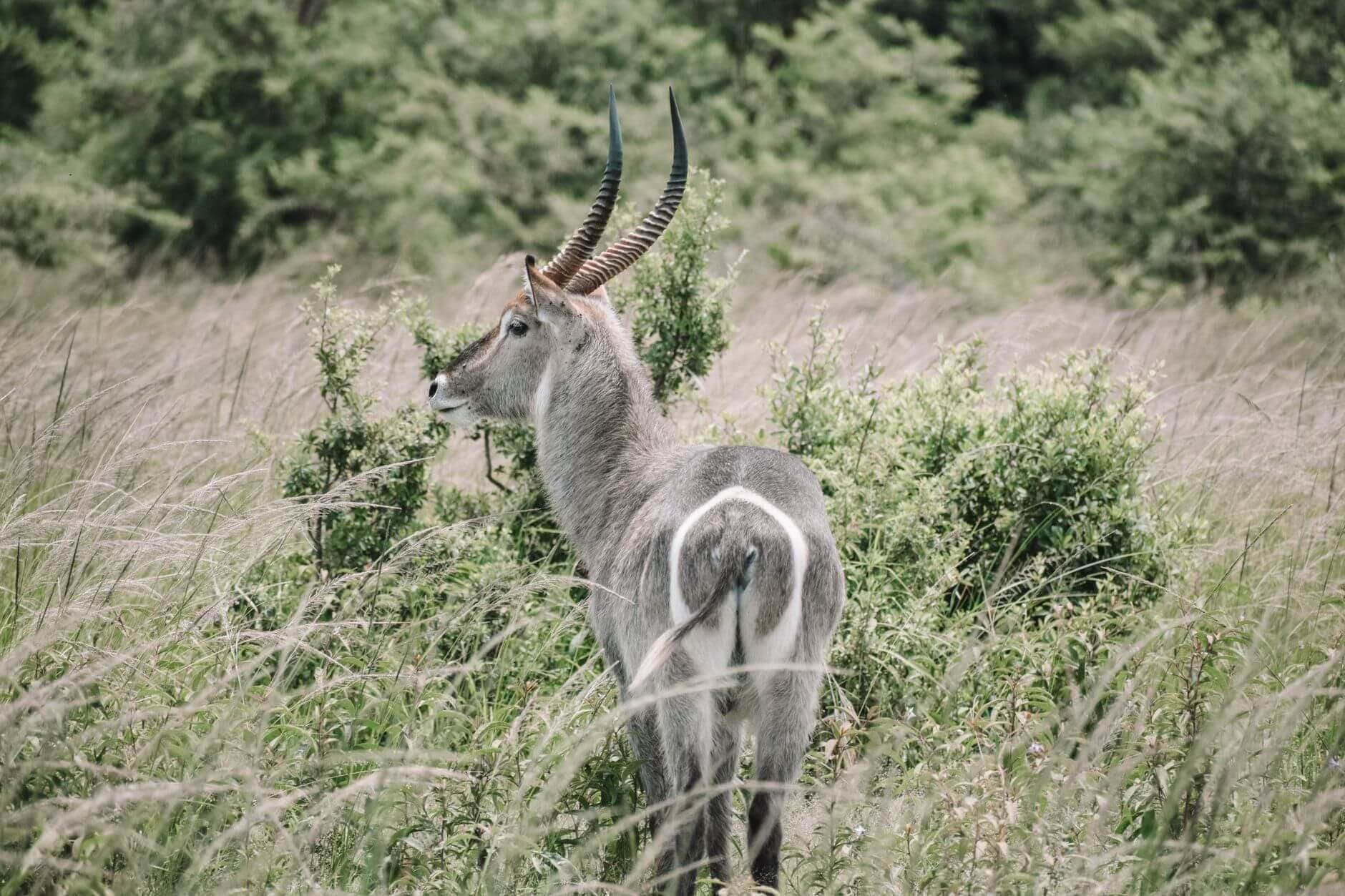
Antelopes and buffaloes: in large herds that graze in the open savannah.
Birds: over 330 species recorded, making the park a paradise for birdwatching.
Flora and landscapes
The Niokolo-Koba landscape alternates between high-grass savannas, gallery forests along the rivers, and shrublands. Centennial baobabs are the protagonists of the horizon, along with palm trees and shea trees. During the rainy season (June-October), the park transforms into an intense green tapestry; in the dry season (November-May), animals concentrate near water points, making sightings easier.
Best time to visit Niokolo-Koba
The dry season, between November and April, is the most recommended time to visit the park. The trails are passable, the vegetation is less dense, and animals gather near rivers and ponds. In the middle of the rainy season, many trails are cut off, and access becomes significantly complicated.
How to get to Niokolo-Koba National Park
The main access to the park is from Tambacounda, the closest city, located about 60 km from the main entrance of Dar Salam. From Dakar, the journey by road can take over 7-8 hours. It is most recommended to hire an organized excursion with a specialized operator that includes transportation, local guide, and accommodation in camps within or near the park. From NeoGeo DMC, we can design a customized itinerary that combines Niokolo-Koba with other destinations in Senegal.
Djoudj Natural Reserve: the sanctuary of migratory birds
In the far north of Senegal, on the banks of the Senegal River and a few kilometers from the border with Mauritania, lies the Djoudj Natural Reserve. Declared a UNESCO World Heritage Site in 1981, this reserve of approximately 16,000 hectares is considered the third most important ornithological park in the world.
A refuge for migratory birds
Djoudj acts as the first stopover for millions of migratory birds crossing the Sahara Desert from Europe and Central Asia. Each year, between November and April, the reserve hosts over three million birds of more than 400 different species. Among the most spectacular are:
White pelicans: forming colonies of tens of thousands of individuals, creating one of the most impressive natural spectacles in Africa.
Flamingos: dyeing the wetlands pink in large flocks.
Herons and egrets: abundant in the canals and shores of the lakes.
Fish eagles, storks, and spoonbills: among the many birds of prey and waders that can be observed.
Beyond birds: aquatic fauna
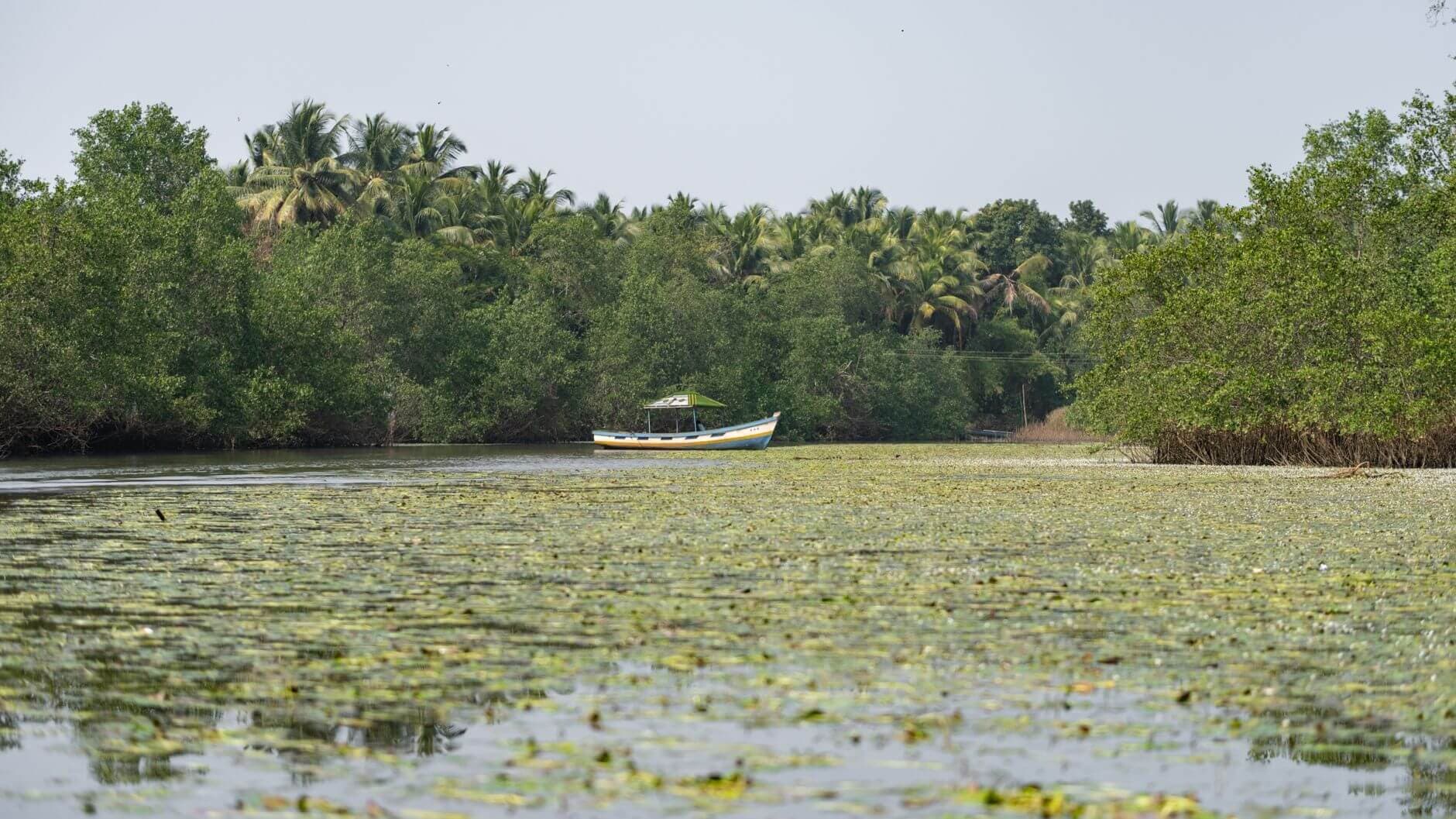
Djoudj is not only a paradise for birdwatching enthusiasts. Its waters also harbor Nile crocodiles, African manatees (difficult to spot), and numerous fish species. Boat rides through the canals and lakes of the reserve allow for a silent and respectful approach to the fauna.
Best time to visit Djoudj
The high season of the reserve coincides with the dry season, between November and April, when migratory birds are present in greater numbers. The months of December, January, and February are especially spectacular due to the concentration of pelicans and flamingos.
How to get to Djoudj Reserve
The reserve is located about 60 km north of Saint-Louis, the historic colonial city in northern Senegal. From Dakar, Saint-Louis is about 3-4 hours by road. It is ideal to combine a visit to Djoudj with a stay in Saint-Louis, a city that is a UNESCO World Heritage Site in itself. Our specialized birdwatching guides can accompany you on day or multi-day excursions from Saint-Louis.
How can I visit Dakar and have everything well organized?
Dakar is the gateway to our 8-day trip to Senegal. If this guide has inspired you to discover it in person, you can do so as part of Pearls of Senegal , our circuit that combines the capital with the Lompoul desert, Saint-Louis and the Saloum Delta.
Practical tips for visiting Senegal's natural parks
Documentation and permits
To access both Niokolo-Koba National Park and Djoudj Reserve, it is necessary to pay an entry fee managed by the Senegal National Parks Directorate. These fees directly contribute to the conservation of ecosystems. If you hire your visit with an operator like NeoGeo DMC, all permits and arrangements are included in the package.
What to bring
Light and breathable clothing in neutral tones (beige, olive green, brown).
Sunscreen, hat, and sunglasses.
High-protection insect repellent.
Binoculars, especially for the visit to Djoudj.
Camera with telephoto lens.
Plenty of water and energy snacks.
Comfortable and sturdy footwear for walking on uneven terrain.
Health and safety
It is essential to consult with your doctor or international vaccination center before traveling. Malaria is endemic in Senegal, especially in humid areas, so antimalarial prophylaxis is recommended. Also, bring a basic first-aid kit and ensure you have travel insurance that covers medical evacuation.
Responsible tourism
Both Niokolo-Koba and Djoudj are fragile ecosystems. Always respect the indications of park rangers and guides, do not abandon waste, maintain safe distances from animals, and avoid making unnecessary noise. Responsible tourism is the best tool to ensure the conservation of these spaces for future generations.
Combine both parks in a Senegal itinerary
One of the most rewarding options is to design a circular itinerary through Senegal, combining Dakar, Saint-Louis and the Djoudj Reserve in the north, and continuing south to visit Niokolo-Koba and Tambacounda. This journey reveals the country's geographic and cultural diversity in a single trip: from the urban energy of Dakar, through the colonial charm of Saint-Louis, to birdwatching at Djoudj National Bird Park — one of West Africa's most important ornithological sanctuaries — ending with the savannah landscapes and wildlife of Niokolo-Koba National Park in the southeast.
For those who wish to experience Djoudj as part of an already structured circuit with guaranteed group departures, NeoGeo DMC offers the Perlas de Senegal tour, which includes this natural site among its featured stops.
At NeoGeo DMC we can customize every detail: transportation, accommodation, specialized guides and activities tailored to your interests and travel pace.
Frequently asked questions about Senegal's natural parks
Is it safe to visit Niokolo-Koba National Park?
The park is accessible and safe if visited with authorized local guides and through trusted tour operators. It is essential to follow the guide's instructions at all times, especially in areas with large mammals like elephants and hippopotamuses.
Can I see lions in Niokolo-Koba?
The lion population in the park exists but is reduced, and sightings are not guaranteed. The most remote areas of the park concentrate the largest fauna. An expert guide will know the best points and times to maximize the chances of spotting lions.
How much time is needed to visit Djoudj Reserve?
A half-day or full-day visit is sufficient to explore the main observation points of the reserve, including a boat ride through the canals. If you are a birdwatching enthusiast, you can extend the visit to two days to explore more remote areas and take advantage of the best hours of light (dawn and dusk).
What is the difference between visiting Djoudj in December and in March?
In December, the reserve is at its peak: migratory birds have just arrived, and pelican colonies are in full activity. In March, many species begin to prepare for their return north, although the concentration remains notable. Both months are excellent; December offers greater visual spectacle.
Can I camp inside the parks?
There are camps and accommodations within and near Niokolo-Koba National Park. In Djoudj, it is most common to stay in Saint-Louis and take day trips. From NeoGeo DMC, we manage all accommodation options tailored to each traveler's profile.