Niokolo-Koba National Park: the wild heart of Senegal
In southeastern Senegal, far from the hustle and bustle of Dakar and the Atlantic beaches, there exists a territory where African nature still speaks loudly. The Niokolo-Koba National Park is the country's largest nature reserve, a protected area that stretches across more than 913,000 hectares of savanna, gallery forest and wetlands around the Gambia River. Declared a UNESCO World Heritage Site in 1981, this park is one of those destinations that transforms the way a traveler understands West Africa. It is not the Serengeti or Kruger, but it has an authenticity and solitude that few parks on the continent can match.
Visiting Niokolo-Koba means venturing into a different Senegal, far from the most traveled circuits. Here time seems to have stopped in an era before human pressure on the natural environment. That is why, for those seeking a genuine safari experience in West Africa, this park represents a unique opportunity that deserves careful planning and, above all, the company of an operator with on-the-ground experience.
Why Niokolo-Koba is a World Heritage Site
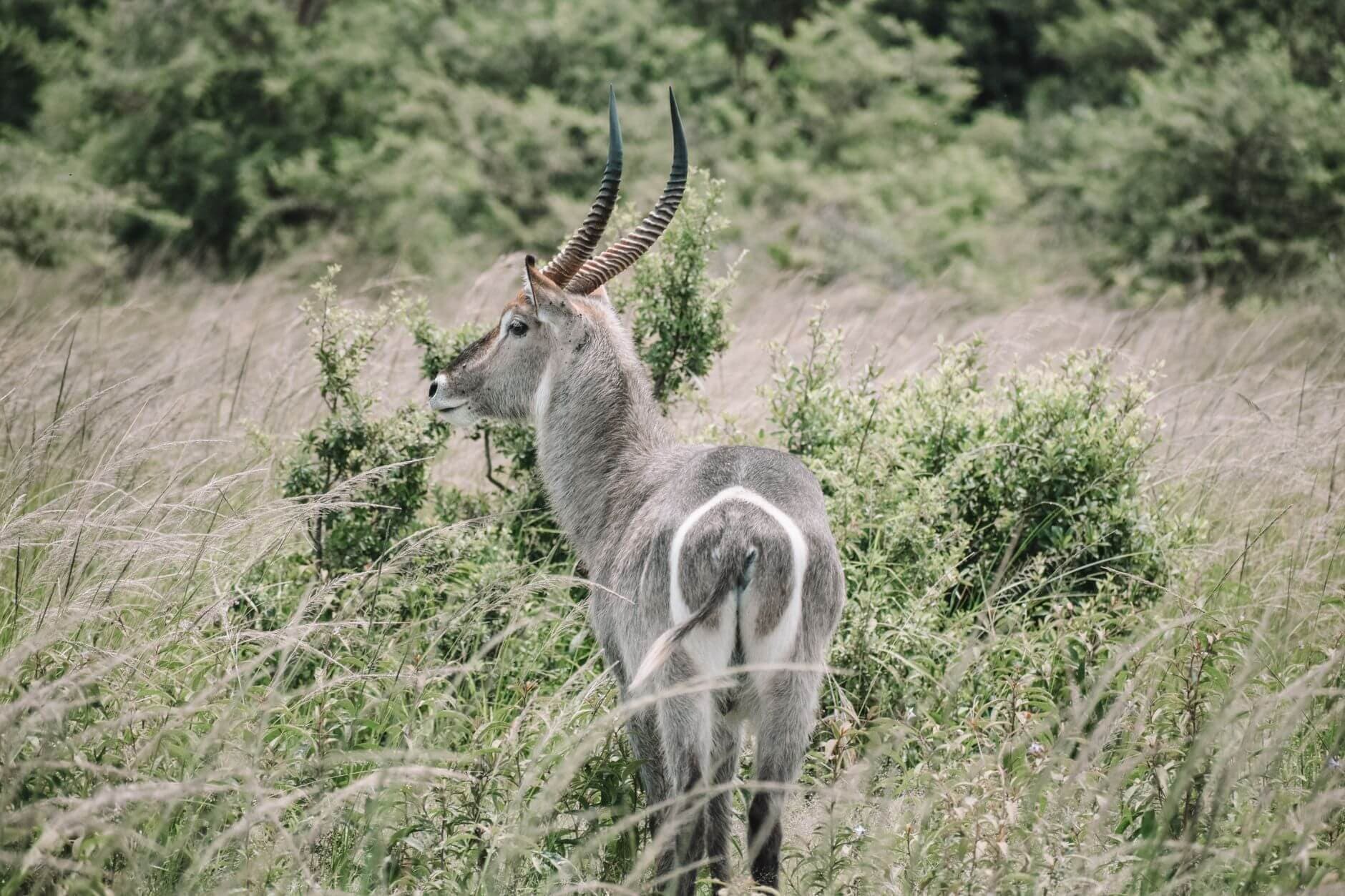
UNESCO included the Niokolo-Koba National Park on its World Heritage list precisely because of the exceptional richness of its ecosystems. The park is home to one of the last populations of Derby eland—the largest antelope in the world—on the entire planet, along with a diversity of habitats ranging from shrubby savanna to riparian forests, passing through floodplains that in the rainy season become paradises for waterfowl. This variety of landscapes within a single protected area is what makes it so valuable from a conservation perspective.
However, UNESCO also included it on its List of World Heritage in Danger in 2007, due to pressure from poaching, prolonged drought and habitat degradation. This fact, far from discouraging the responsible traveler, adds an ethical dimension to the trip: every visit made through legitimate channels contributes to the local economy and to the arguments that justify investment in conservation. Traveling well, in this context, is also a way to help.
The fauna of Senegal at its finest
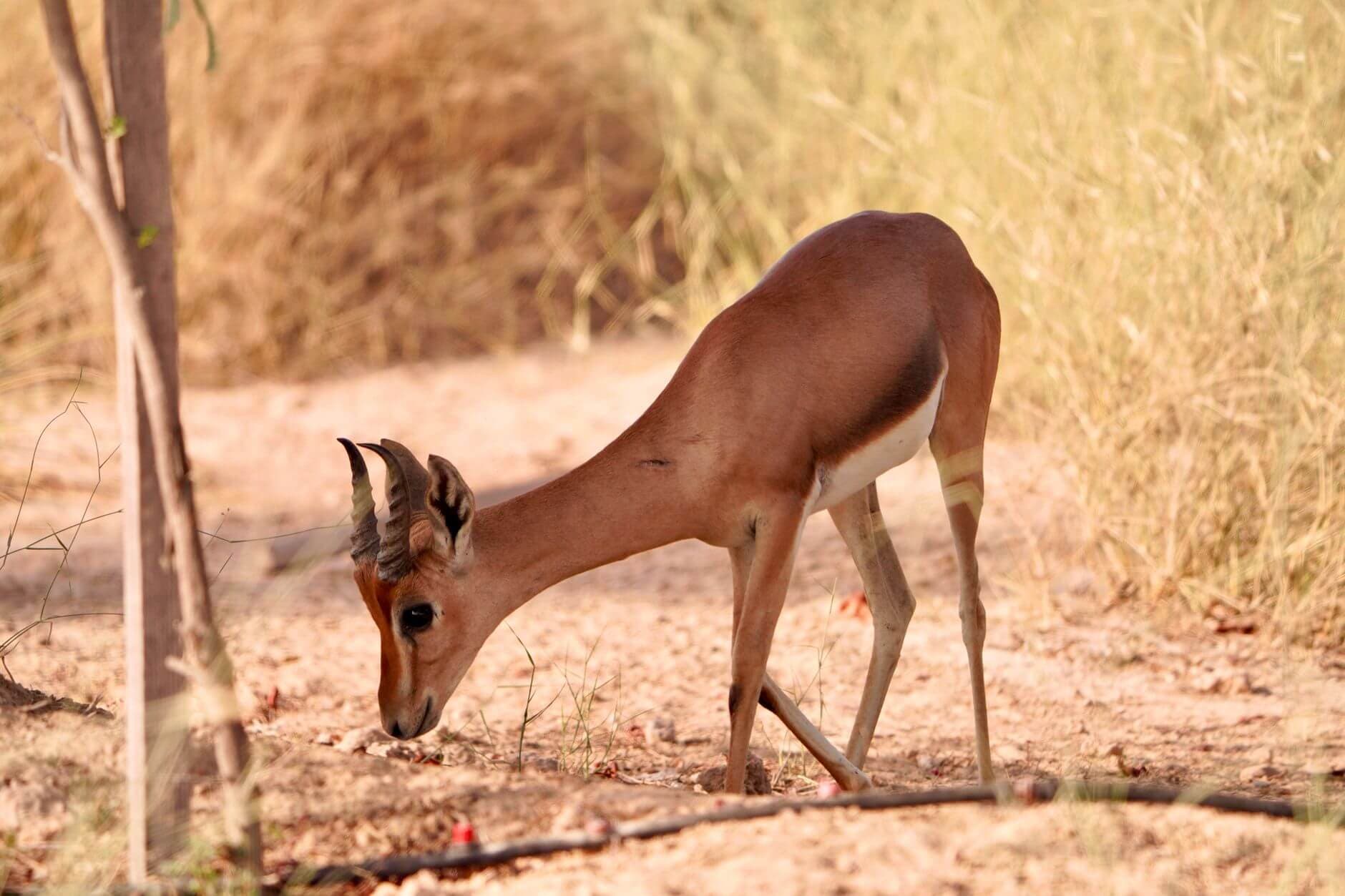
When talking about Senegal's fauna, Niokolo-Koba occupies a central place in the conversation. The park is home to more than 80 species of mammals, among which stand out the hippopotamus, the Nile crocodile, the leopard, the African lion—whose population is scarce but present—, the savanna elephant and an extraordinary variety of antelopes such as the hartebeest, the redunca, the Uganda kob and, of course, the majestic Derby eland. Spotting any of these species in their natural environment, without the crowds of other more famous African parks, is an experience that travelers remember for decades.
The birdlife is equally impressive. With more than 330 bird species recorded, Niokolo-Koba is one of the best birdwatching destinations in all of West Africa. The white pelican, the yellow-billed stork, the giant kingfisher and the martial eagle are just some of the specimens that thrill bird watchers who visit the park. The dry season, between November and May, concentrates animals around water points and greatly facilitates sightings, making it the best time to organize your visit.
In addition to large mammals and birds, the park is home to reptiles such as the Nile monitor, amphibians and a rich community of primates that includes the chimpanzee, the olive baboon and the green monkey. This biodiversity makes Niokolo-Koba a reference destination not only for classic safari, but also for scientific and educational tourism.
Flora and landscapes: the other side of the park
The vegetation of the Niokolo-Koba National Park is as diverse as its fauna. Grass savannas dominate the landscape in the dry season, but as one approaches the Gambia River and its tributaries, the vegetation becomes denser and more lush. The gallery forests that border the watercourses are home to imposing trees such as the baobab, African mahogany and the shea tree, whose nut produces the famous butter used in both cosmetics and local cuisine.
In the rainy season, which runs approximately from June to October, the park transforms spectacularly. The plains are covered with tall grass, the rivers overflow and create extensive temporary wetlands, and the vegetation acquires an intensity of green that contrasts radically with the ochre palette of the dry season. Although this season is not the most recommended for safari due to access difficulties, it offers a spectacular landscape show for those who venture out with proper logistics.
How to get there and how to move around Niokolo-Koba
Access to the park is mainly from Tambacounda, the nearest city and the main entry point to southeastern Senegal. From Dakar, Tambacounda is about 470 kilometers along Route Nationale 1, a journey that can be made by private vehicle, bus or domestic flights. From Tambacounda, the main park entrance at Dar Salam is about 60 kilometers further southeast, along a track that requires a four-wheel-drive vehicle, especially during the rainy season.
Within the park, movement is exclusively by four-wheel-drive vehicle. The interior tracks allow access to the main wildlife observation points, such as viewpoints over the Gambia River or the watering holes where animals concentrate at dusk. It is essential to hire the services of an official guide accredited by the park authorities, both for safety reasons and to maximize the chances of wildlife sightings. A good local guide knows the movement patterns of animals, the best times of day and the corners that don't appear in any travel guide.
If you are thinking about organizing a visit to Niokolo-Koba, our team at NeoGeo DMC can design a tailor-made itinerary that combines the park with other destinations in southeastern Senegal, such as the Casamance region or the Saloum Delta, so you can make the most of your trip to West Africa.
Where to stay and what to expect
Accommodation options within and around the park are limited but functional. The Simenti camp, located inside the park on the banks of the Gambia River, is the reference accommodation for those who want to experience it in an immersive way. With simple but comfortable facilities, it offers the possibility of waking up to the sound of hippopotamuses in the river and going on safari at dawn without needing to travel. There are also accommodation options in Tambacounda for those who prefer a more comfortable urban base from which to make day trips to the park.
It is important to arrive with expectations adjusted to the reality of an African park in the process of developing tourism. The infrastructure is not comparable to that of the major parks of East Africa, and that, paradoxically, is part of its charm. Niokolo-Koba offers an authentic experience, without overcrowding, where the traveler truly feels like an explorer. The absence of crowds and the feeling of being in a place still little discovered are values that the most experienced travelers greatly appreciate.
Practical advice for a responsible visit
The best time to visit the park is the dry season, between November and April, when the roads are passable and wildlife concentrates at water points. It is essential to bring light clothing in neutral tones, sun protection, insect repellent and enough water for safari days. It is also advisable to bring cash, as payment by card is very limited in this remote area of Senegal.
From a health perspective, the Niokolo-Koba area is at risk for malaria, so it is essential to consult with a doctor specializing in travel medicine before departure and follow the recommended prophylaxis guidelines. It is also advisable to keep up to date with vaccinations for yellow fever, hepatitis A and typhoid, among others. Traveling with a specialized operator like NeoGeo DMC ensures that you receive all the necessary health and logistical information before your departure.
Frequently asked questions about Niokolo-Koba National Park
When is the best time to visit Niokolo-Koba National Park?
The dry season, which runs approximately from November to April, is the ideal time to visit the park. During these months, the roads are accessible for four-wheel-drive vehicles, the vegetation is less dense and animals concentrate around water points, which greatly facilitates wildlife sightings.
What animals can I see in Niokolo-Koba?
The park is home to more than 80 species of mammals, including hippopotamuses, crocodiles, leopards, lions, elephants and the Derby eland, the largest antelope in the world. In addition, it is an exceptional destination for bird watching, with more than 330 species recorded, making it one of the best birdwatching places in West Africa.
Is it necessary to hire a guide to visit the park?
Yes, it is mandatory to have an official accredited guide to travel within the park. In addition to being a legal requirement, an experienced local guide multiplies the chances of sightings and ensures safety during excursions. From NeoGeo DMC we can manage all the permits and logistics necessary for your visit.
How do I get to Niokolo-Koba National Park from Dakar?
The most common route is by vehicle along Route Nationale 1 to Tambacounda, about 470 kilometers from Dakar, and from there to the park entrance at Dar Salam, about 60 kilometers further. There are also domestic flights to Tambacounda from Dakar, which considerably reduces travel time. Within the park, movement is by four-wheel-drive vehicle.
Why is Niokolo-Koba on UNESCO's List of World Heritage in Danger?
UNESCO included the park on its List of World Heritage in Danger in 2007 due to pressure from poaching, prolonged drought and habitat degradation caused by human activities in the buffer zone. Visiting the park through responsible tourism operators contributes to the local economy and indirectly supports conservation efforts.