What animals to see in Gambia: complete guide to wildlife
Gambia is one of those destinations that surprises those who discover it. The smallest country in mainland Africa hides, however, an extraordinary biodiversity. Its riverine forests, mangroves, savannas, and, above all, the great Gambia River create a mosaic of ecosystems that host spectacular wildlife. If you wonder what animals to see in Gambia, you are about to discover that this small corner of Western Africa can rival much more famous destinations in terms of sightings.
The Gambia River: heart of biodiversity
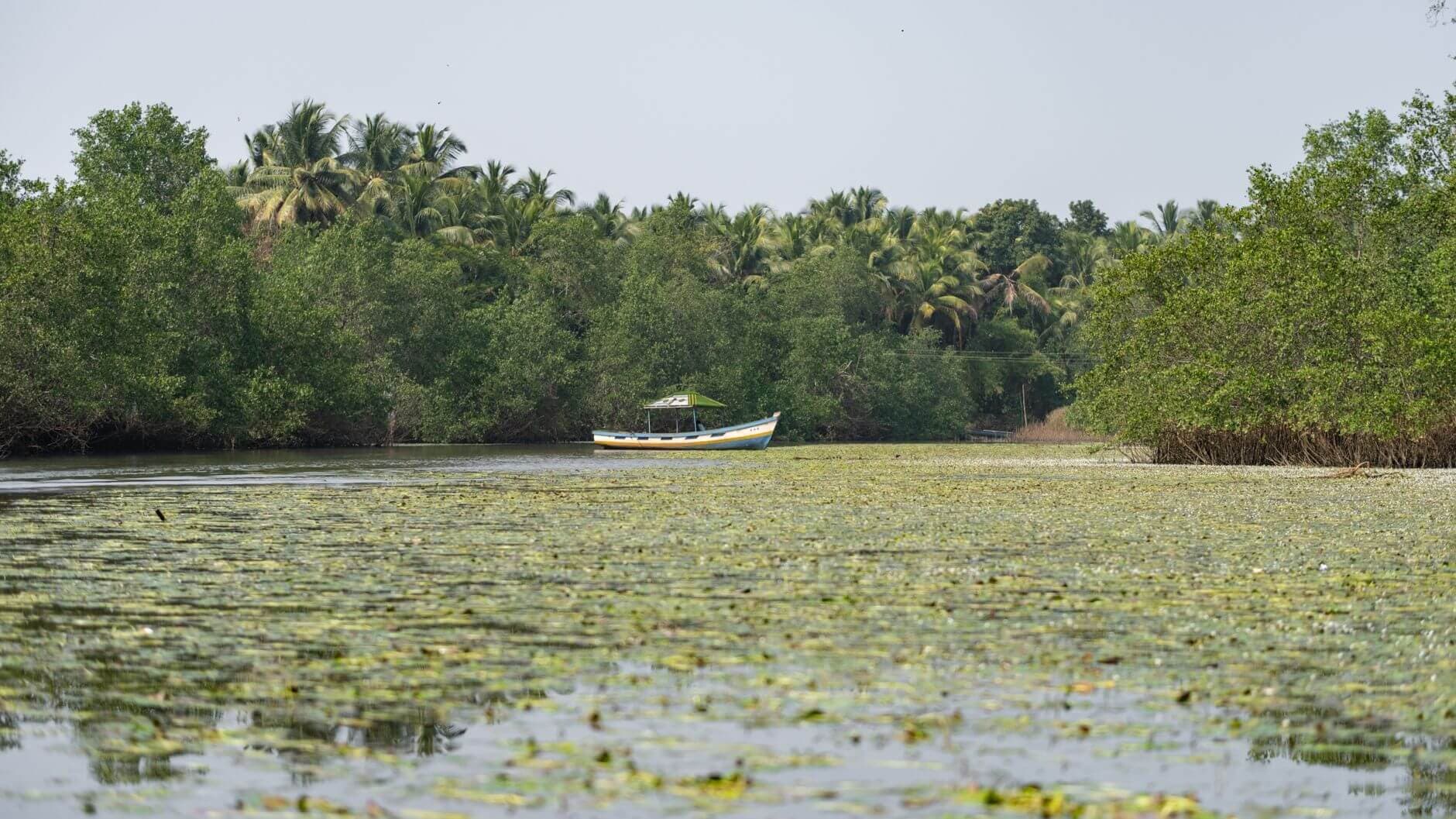
The Gambia River crosses the country from east to west like a vital artery. Its banks concentrate most of the country's wildlife and constitute the perfect setting for canoe or boat excursions. It is precisely in this fluvial environment where the most exciting sightings occur.
Hippopotamuses: the giants of the river
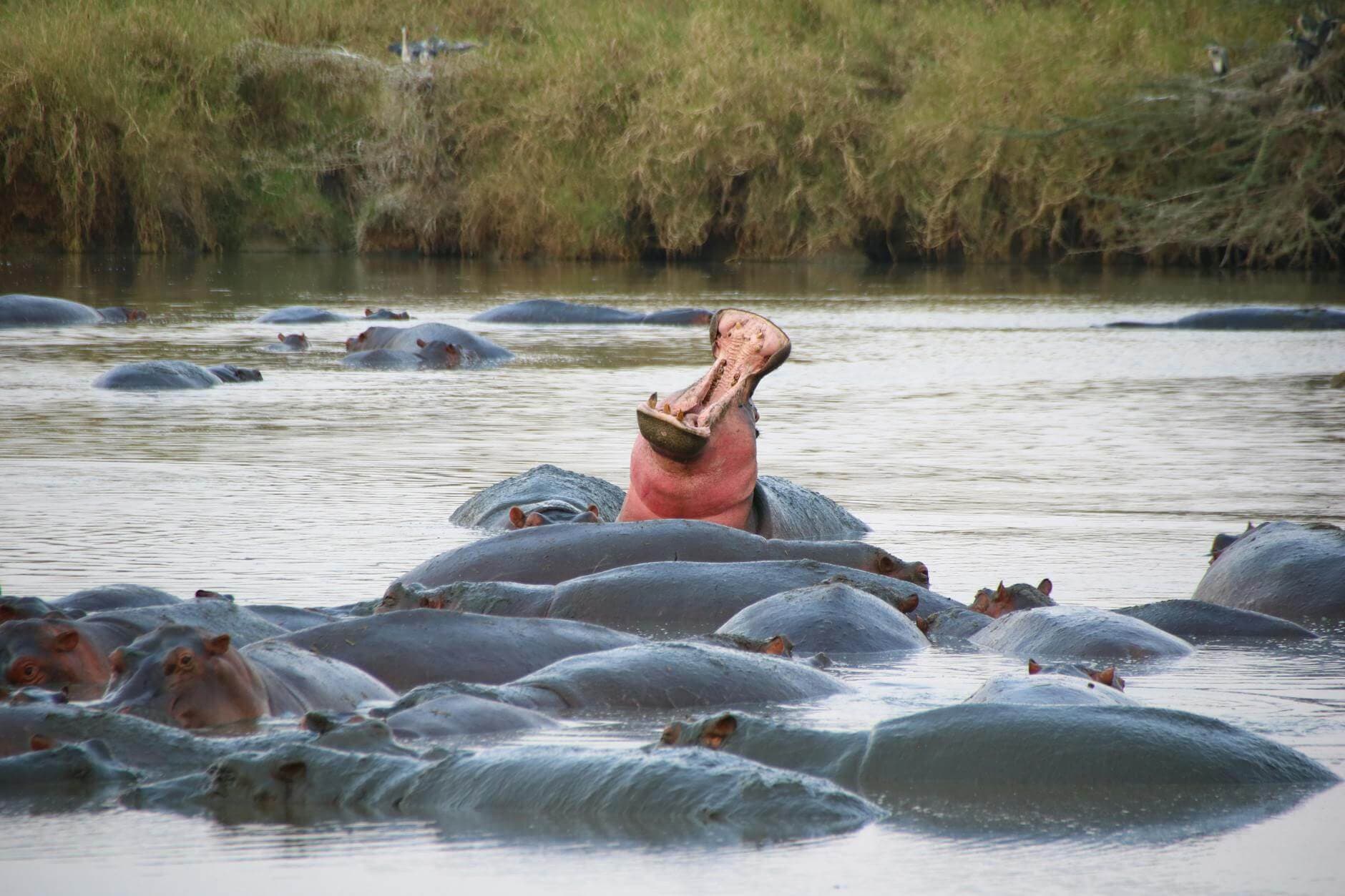
The hippopotamus is, without a doubt, one of the great protagonists of the Gambia River's wildlife. Although their number has decreased in many parts of Africa, in Gambia, it is still possible to observe them in protected areas such as the Niokolo-Koba National Park and in the quieter stretches of the river. Seeing them slowly emerge from the water at dawn or dusk is an experience that is not easily forgotten. If you want to maximize your chances, head to the Baboon Islands National Park (River Gambia National Park), where environmental protection has allowed the population to remain stable.
Nile crocodiles: the guardians of the water
Another essential animal in any list of Gambia River wildlife is the Nile crocodile. These reptiles can reach impressive sizes and are distributed throughout the entire river course. The sacred crocodile pool of Kachikally in Bakau offers a unique experience: locals coexist with these animals in a space of spiritual significance, and visitors can approach them with total safety under the supervision of local guardians. It is one of the most singular encounters that Gambia offers.
Primates: the neighbors of the forest
Gambia is home to several species of primates that inhabit both the riverine forests and the patches of dense vegetation that dot the interior of the country.
Chimpanzees in Baboon Islands
The Baboon Islands National Park (River Gambia National Park) is home to a population of rehabilitated chimpanzees. Although direct access to the islands is restricted to protect the animals, it is possible to observe them from boats. The rehabilitation project, initiated decades ago, has been a model of conservation in the region.
Green monkeys and red colobuses
Much more accessible are the green monkeys (Chlorocebus sabaeus), which appear practically in any wooded area of the country, including the gardens of tourist accommodations. The red colobus of Gambiais an endangered subspecies that can be spotted in the Abuko Nature Reserve, the most accessible nature park in the country, located just a few kilometers from the coast.
Birds: the paradise of birdwatching
If there is something that has put Gambia on the international map, it is its exceptional ornithological richness. With more than 570 species of birds recorded in a tiny territory, Gambia is considered one of the best birdwatching destinations in the world. Bird enthusiasts travel from Europe and America specifically to enjoy this experience.
Emblematic species you should not miss
Giant kingfisher (Megaceryle maxima): unmistakable due to its size and low flight over the river.
African hoopoe (Upupa africana): with its striking crest, it is one of the most photographed birds.
Marabou stork: imposing in size, frequent in humid areas and local markets.
Pink-backed pelican: visible in estuaries and coastal mangroves.
Sunbird or suimanga: small and with metallic colors, they are the African hummingbirds.
Fish eagle: an expert hunter that soars over the Gambia River in search of prey.
The mangroves of Lamin Lodge, the Abuko Nature Reserve, and the riverbanks between Tendaba and Janjanbureh are the hotspots for bird sightings. If you travel with NeoGeo DMC, our specialized ornithology guides will help you identify the most elusive species and find the best viewpoints.
Other animals you can see in Gambia
West African manatees
One of the rarest and most exciting sightings that Gambia's wildlife offers is that of the West African manatee (Trichechus senegalensis). This aquatic mammal, a distant relative of elephants, inhabits the quiet stretches of the river and coastal mangroves. Its observation is difficult precisely because they are discreet and endangered animals, which makes each sighting a gift.
Nile monitor lizards
The Nile monitor lizard is the largest lizard in Africa and a habitual inhabitant of the riverbanks. With its bifid tongue and prehistoric appearance, it is fascinating for any traveler. They can be seen basking in the sun on rocks or logs along the Gambia River.
Spotted hyenas and jackals
In the savanna areas of the interior of the country, especially at dawn and dusk, it is possible to find spotted hyenas and black-backed jackals. They are more elusive animals, but local guides know their usual routes.
Best time to see wildlife in Gambia
The best time to see wildlife in Gambia is the dry season, which runs approximately from November to May. During these months, the vegetation becomes less dense, making it easier to spot animals. Additionally, animals concentrate around water points, exponentially increasing the chances of encounters.
The months from November to February are especially recommended for birdwatching, as they coincide with the arrival of migratory birds from Europe. The combination of resident and migratory species during this period makes Gambia a true ornithological paradise.
The wet season (June-October) has its own charm: the landscape becomes lush and green, and some species are more active, but access to certain areas can be complicated, and the heat and humidity are more intense.
Practical tips for wildlife sightings
Rise early: dawn and the first hours of the morning are the time of greatest activity for most animals.
Wear neutral colors: avoid brightly colored clothing that can alert animals.
Hire a local guide: the knowledge of the territory and animal behavior of Gambian guides is incomparable.
Bring binoculars: essential for birdwatching and observing animals at a safe distance.
Respect distances: never get too close to wild animals, especially hippopotamuses and crocodiles.
Book in advance: the best wildlife tours have limited places, especially during peak season.
At NeoGeo DMC, we organize specialized wildlife excursions, from dawn canoe trips on the Gambia River to full-day birdwatching trips with certified ornithologist guides. Check our nature tours in Gambia and design the perfect experience.
Frequently asked questions about Gambia's wildlife
Is it safe to go on wildlife safaris in Gambia?
Yes, as long as they are done with certified local guides and the rules of protected natural areas are respected. Birdwatching and boat excursions on the river are very safe and accessible activities for all types of travelers.
Where is it easiest to see hippopotamuses in Gambia?
The Baboon Islands National Park (River Gambia National Park) and the river stretches between Tendaba and Janjanbureh are the best points to spot hippopotamuses. Boat excursions at dawn or dusk offer the best opportunities.
Do I need to be an expert to go birdwatching in Gambia?
Not at all. Gambia is ideal for both expert ornithologists and beginners. The abundance and variety of birds make sightings frequent and exciting even without prior experience. A good local guide will do the rest.
How many days do I need to see Gambia's wildlife?
With a week, you have enough time to visit the country's main natural areas: Abuko Nature Reserve, Kachikally, the mangroves of Lamin, and take at least one river excursion into the interior. If you are a birdwatching enthusiast, a stay of ten days or more will allow you to explore more remote areas.
What is the difference between visiting Gambia in the dry and wet seasons to see animals?
In the dry season (November-May), the vegetation is more open, and animals concentrate around water points, making it easier to spot them. In the wet season (June-October), the landscape is greener and more spectacular, but the dense vegetation makes it harder to see animals, and some areas may be inaccessible due to rains.