Waterbirds and Birdwatching in the Saloum Delta (Senegal): A Unique Birding Experience
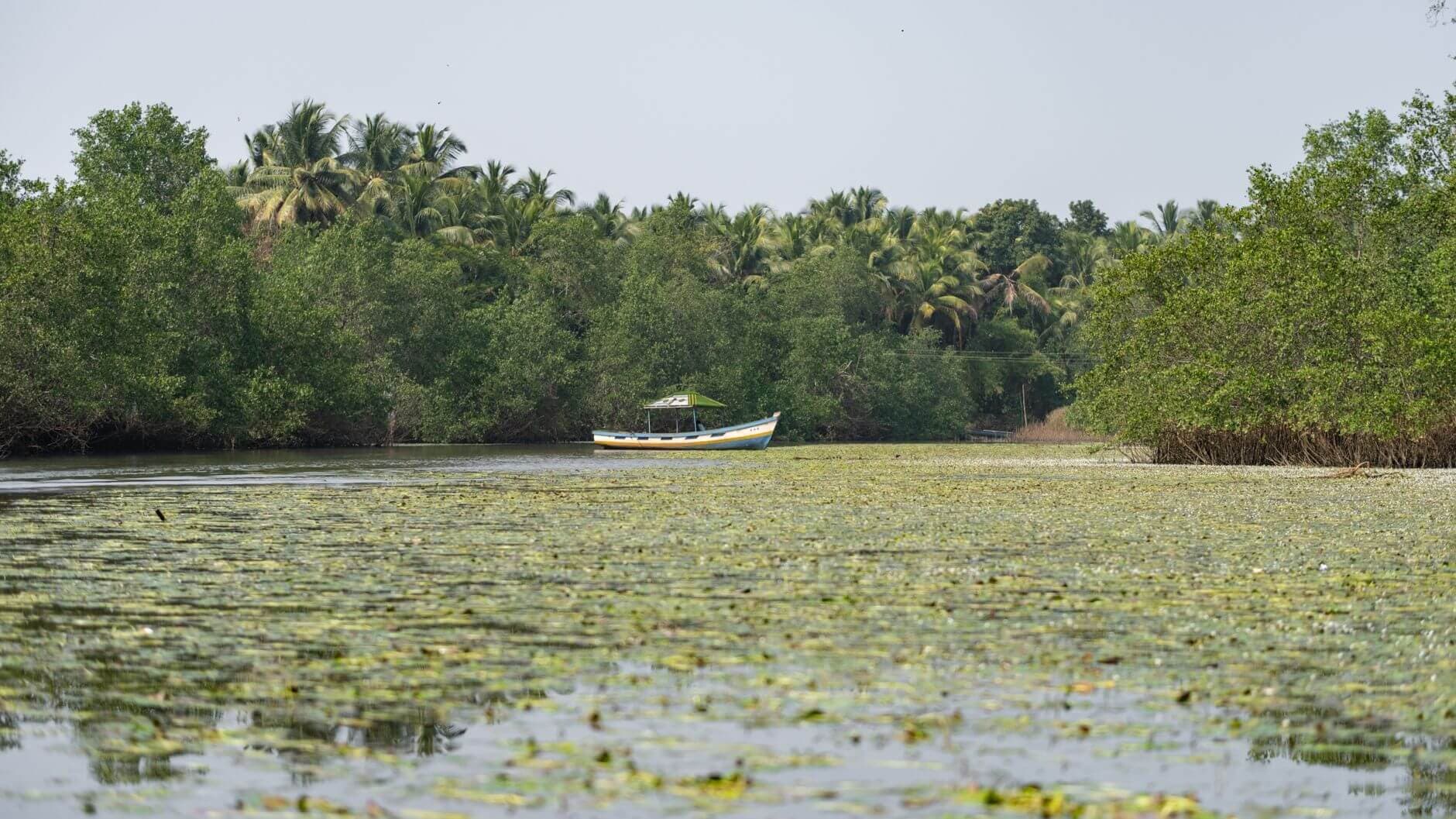
The Saloum Delta is one of West Africa's best-kept secrets. Designated a UNESCO Biosphere Reserve and World Heritage Site, this labyrinth of mangroves, estuaries, sandy islands and wetlands is home to one of the most spectacular waterbird communities on the continent, and is today one of the top birdwatching destinations in Senegal.
Why Is the Saloum Delta a Paradise for Waterbirds?
Its geographical position, where the Saloum River meets the Atlantic Ocean, creates an extraordinarily productive transitional ecosystem. The mangroves act as a natural nursery for fish and crustaceans, which attracts dozens of bird species year-round. The delta also lies on the East Atlantic Flyway, one of the main migratory routes of the western hemisphere, which multiplies the diversity of species that can be seen depending on the season.
Main Waterbirds You Can Spot
The list of species recorded in the Saloum Delta exceeds 300, a very significant share of which are waterbirds or waders that depend directly on the delta's mangroves and marshes to feed and breed.
Pelicans, Cormorants and Herons
The great white pelican and the pink-backed pelican fly over the estuaries at dawn, while the long-tailed cormorant dries its wings in the sun on the mangrove roots. The grey heron, purple heron and great egret are a common sight along the edges of the channels, alongside the African spoonbill, which sweeps the shallow waters for food with its distinctive side-to-side bill motion.
Flamingos and Waders
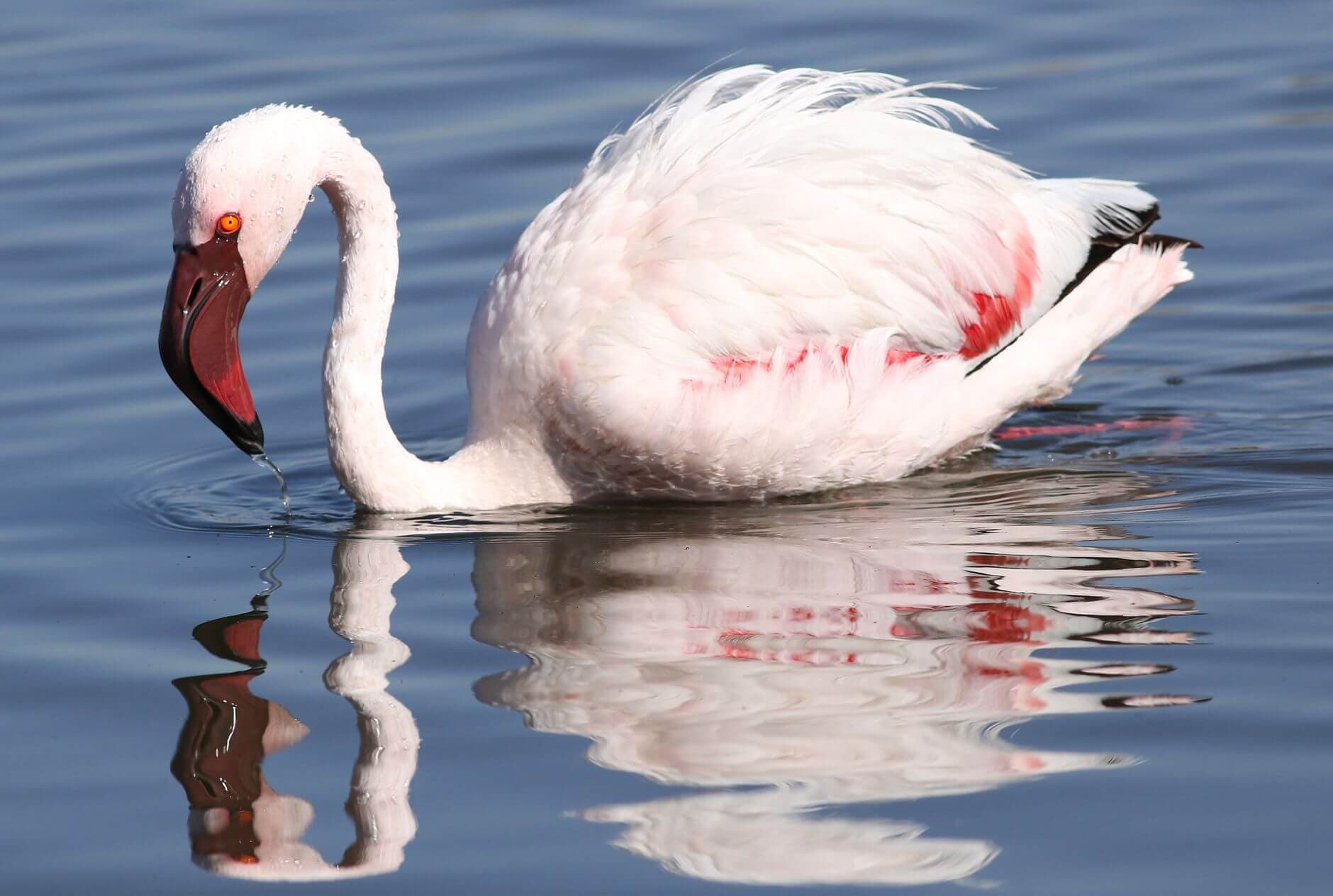
The greater flamingo and the lesser flamingo tint the sandbanks pink, especially during the boreal winter, when their numbers rise noticeably. The African oystercatcher, the Kittlitz's plover and the whimbrel round out the cast of waders covering the delta's beaches and marshes, forming flocks that can number in the thousands during the best months of the year.
The Best Spots for Birdwatching
Joal-Fadiouth is home to important colonies of pelicans and herons and makes a good starting point for pirogue excursions. Ndangane and Mar Lodj are the gateway to the mangrove channels, with especially good viewing at dawn and dusk, when bird activity peaks. Île aux Oiseaux, Bird Island, is one of the region's most important concentration points and a must-visit for any birdwatching enthusiast. Foundiougne, meanwhile, offers less-visited mangrove areas, ideal for those seeking a quieter experience away from other visitors.
When to Visit the Saloum Delta
During the dry season, from November to April, species diversity is at its peak, as European migratory birds join the delta's resident populations. During the wet season, from May to October, the mangroves reach their greenest splendor and it's possible to observe courtship and breeding behavior among resident species, with the added benefit of far fewer tourists in the area.
What to Bring and How to Prepare
Quality binoculars, neutral-toned clothing that won't disturb the birds' behavior, and a specialized local guide are the foundation for fully enjoying the delta. You'll find the complete recommended equipment list — optics, technical clothing, health and documentation — in our gear guide for a birdwatching tour in Senegal.
The Saloum Delta Beyond the Birds
Its traditional fishing communities, the surprising shell-island architecture of Fadiouth, the fresh-seafood cuisine and the hospitality of the Serer people make this destination a complete experience that goes far beyond birdwatching, and one well worth discovering at a relaxed pace.
Discover More Birdwatching Destinations in Senegal
If you enjoyed the Saloum Delta, don't miss Djoudj National Park, Senegal's other great bird sanctuary, or our beginner's guide to birdwatching tourism in Senegal. You can browse the rest of our articles on the NeoGeo DMC blog.
Experience the Saloum Delta with NeoGeo DMC
Discover Birds, Sand and Memory: Between Mangroves and Dunes, our specialized birdwatching tour through the mangroves of the Saloum with an expert ornithological guide.
Frequently Asked Questions About the Waterbirds of the Saloum Delta
How many bird species can be seen in the Saloum Delta?
The delta is home to more than 300 recorded species, a significant share of which are waterbirds, waders and migratory birds.
Do I need to be a birding expert to enjoy birdwatching in the delta?
Not at all. The most spectacular species, such as pelicans, flamingos and herons, are easy to identify even without any prior knowledge.
How do you get to the Saloum Delta from Dakar?
The delta is about a 3-4 hour drive from Dakar, passing through Kaolack and continuing on to Ndangane or Foundiougne.
What's the best way to get around the delta to see birds?
The pirogue is the transport of choice: it allows you to quietly enter the mangrove channels and approach colonies without disturbing them.
Is the Saloum Delta safe for travelers?
Yes, it's a safe destination that's very well received by international travelers, just like the rest of the country.