
Bird Photography in Senegal: The Complete Guide for Passionate Photographers
Senegal is one of the most extraordinary destinations in the world for bird photography. With over 670 registered species, landscapes ranging from mangroves and coastal lagoons to savannas and gallery forests, this West African country offers unique opportunities to capture images that you will hardly find anywhere else on the planet. Whether you are a professional photographer or an amateur with a taste for adventure, Senegal has something special in store for your lens.
In this guide, we tell you everything you need to know: the best places for bird photography in Senegal, the recommended equipment, the lighting tips, and the personalized routes that we design at NeoGeo DMC to make the most of every dawn.
Why is Senegal a Paradise for Bird Photography?
Senegal's geographical position makes it a crossroads for millions of migratory birds traveling between Europe and sub-Saharan Africa. Additionally, the country hosts very diverse ecosystems in a relatively compact area, which means that in just a few days you can photograph species from completely different habitats.
- High species diversity: Over 670 species, including endemics and migratory birds of great photographic value.
- Unique landscapes: Mangroves, lagoons, savannas, rice fields, and tropical forests all in one trip.
- Accessibility: Growing tourist infrastructure and specialized ornithology guides.
- Exceptional light: The African sun offers lighting conditions that are hard to match at higher latitudes.
The Best Places for Bird Photography in Senegal
Choosing the right destinations is key to maximizing your photographic opportunities. These are the must-visit spots:
Langue de Barbarie National Park
Located at the mouth of the Senegal River, this narrow strip of sand and its lagoons are home to impressive colonies of white pelicans, flamingos, cormorants, and various species of shorebirds. The proximity of the water and the sparse vegetation allow for photography of birds in open planes with clean backgrounds, ideal for portraits with a telephoto lens. The sunrises here are simply magical.
Djoudj National Park
Declared a UNESCO World Heritage Site, the Djoudj National Park is one of the most important ornithological wetlands in Africa. Every year, it receives millions of migratory birds from Europe, making it their first stop after crossing the Sahara. Here, you can photograph massive concentrations of herons, spoonbills, ducks, ibises, and the majestic white pelican in its breeding colonies. Boat excursions through the park's canals offer unique photography angles, at water level and very close to the birds.
Saloum Delta
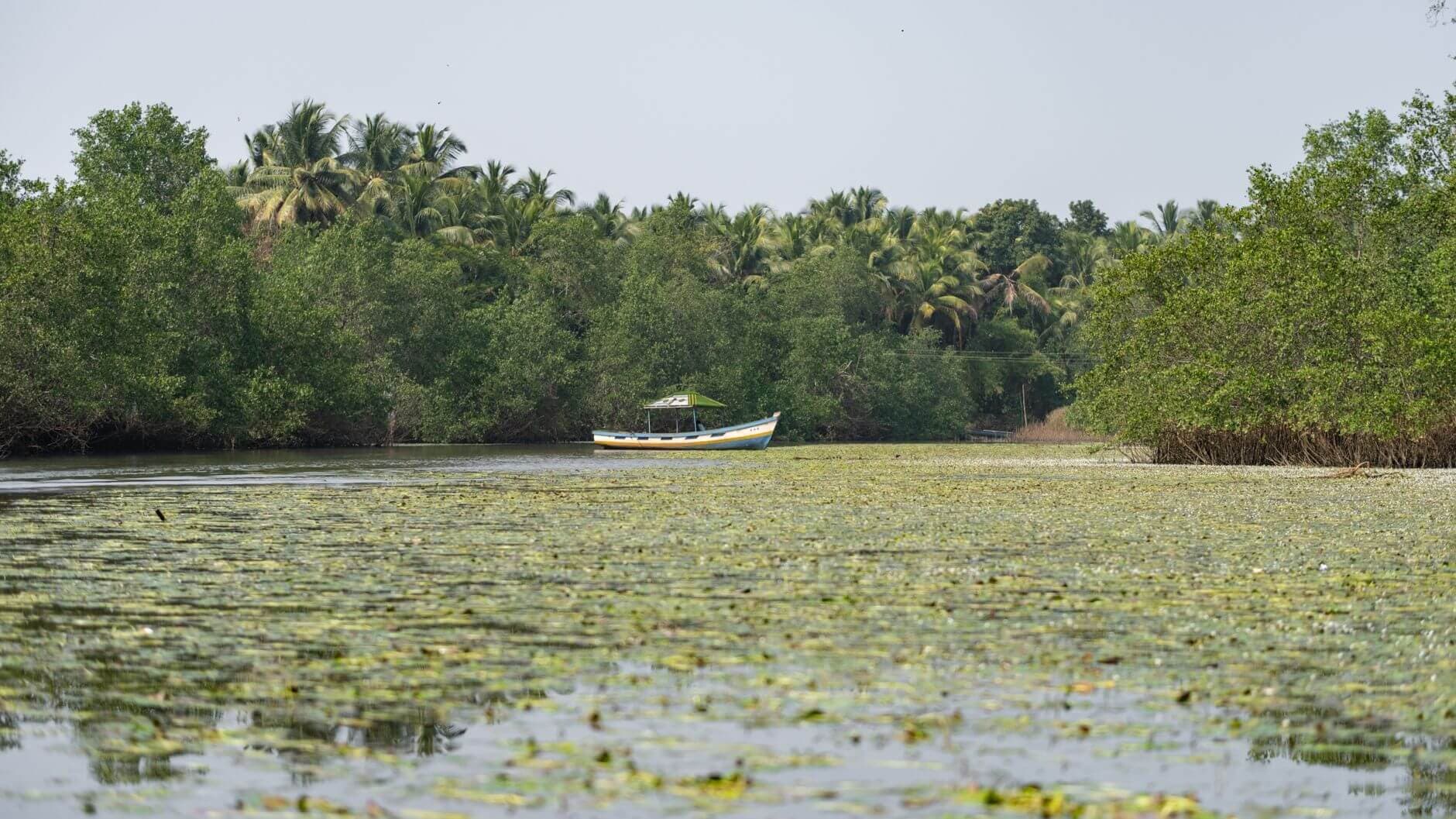
The Saloum Delta, also a UNESCO World Heritage Site, is a labyrinth of mangroves, islands, and canals where avian biodiversity is astounding. Kingfishers, alcids, African cormorants, and dozens of species of shorebirds inhabit these ecosystems. Navigation by canoe or traditional boat allows for silent approach to the birds, which is fundamental for nature photography. Additionally, the mix of light on the water and mangrove vegetation creates photographically beautiful backgrounds.
Casamance
The Casamance region, in southern Senegal, is perhaps the greenest and most exuberant area of the country. Its gallery forests, rice fields, and rivers harbor species that are difficult to find elsewhere: trogons, bee-eaters, red-helmeted hornbills, and a wide variety of weavers and starlings with vibrant colors. It is the ideal destination for undergrowth bird photography, where patience and knowledge of animal behavior make all the difference.
Bandia Reserve and Dakar Surroundings
If your time is limited, the surroundings of Dakar and the Bandia Reserve offer an accessible introduction to Senegalese avifauna. Carmine bee-eaters, white-fronted bee-eaters, cuckoos, and various raptors can be photographed in savanna environments just a few hours from the capital.
Personalized Routes for Bird Photographers in Senegal
Our itineraries can include:
- Northern Route: Djoudj + Langue de Barbarie + Saint-Louis.
- Southern Route: Saloum Delta + Casamance.
- Complete Route: Combination of north and south for photographers with more time who want to cover the maximum diversity of species and habitats.
Each route includes local guides specialized in ornithology, adapted transportation, well-located accommodations, and planned departures according to the best light moments. Contact us to design your customized photographic safari.
Bird Photography Safari in Senegal: What to Expect
A bird photography safari in Senegal is a very different experience from a conventional mammal safari. The rhythms are more tranquil, the attention is on the details, and the moments of waiting are part of the magic. Here are some key aspects to keep in mind:
- Patience and silence: Birds are sensitive to noise and movement. Learning to move slowly and in silence is fundamental.
- Specialized guides: A good ornithological guide not only identifies species but also knows their behaviors and can anticipate exceptional photographic moments.
- Small groups: The best photographic safaris work with small groups to minimize the impact on the birds and maximize each photographer's opportunities.
- Flexible schedules: The best photos are taken at dawn and dusk. A good operator adapts the itinerary to these key moments.
Recommended Equipment for Bird Photography in Senegal
The equipment for bird photography in Senegal does not differ much from the standard for ornithophotography, although there are specific considerations for the African environment:
Lenses and Cameras
- Telephoto lens: A minimum focal length of 400 mm is essential. Lenses of 500 mm or 600 mm offer clear advantages in open fields. Teleconverters can be useful, although they reduce aperture and focusing speed.
- Camera body: Opt for models with good performance in high ISOand fast autofocus system for birds in flight.
- Second camera: Carrying a second body with a shorter lens (70-200 mm) allows capturing context scenes and landscapes without changing optics.
Essential Accessories
- Tripod or monopod: Fundamental for heavy lenses in long sessions. A fluid ball head facilitates tracking moving birds.
- Protection against dust and humidity: Waterproof covers for the equipment are essential, especially in the mangroves of the Saloum Delta.
- Extra batteries and memory cards: In the field, there is not always the possibility of recharging. Always carry twice what you think you will need.
- ND filters and polarizers: Useful for photography over water and in intense light conditions.
The Best Light for Bird Photography in Senegal
The best light for bird photography in Senegal follows the same rules as in any nature photography, but with nuances of the African environment:
The Golden Hour: Dawn and Dusk
The two or three hours after dawn and before dusk are the ideal moment. The light is warm, directional, and soft, which highlights the colors of the plumage and creates shadows that give volume to the images. In Senegal, the sunrises over the lagoons of Djoudj or the Saloum Delta are particularly spectacular.
Midday: Hard but Usable Light
The midday light in Senegal is very intense and can create harsh shadows that are not very favorable. However, in the interior of the forest in Casamance, where the light filters through the foliage, it can create very interesting effects. Additionally, it is the ideal time to photograph birds in the water, where reflections and overhead light create unique compositions.
Cloudy Days
Days with diffuse clouds offer soft and uniform light that can be perfect for photographing birds with vibrant colors in the forest, where direct light would create excessive contrast problems.
Practical Tips for Your Bird Photography Trip to Senegal
- Best time: Between November and April, when European migratory birds are present and the climate is drier and more pleasant.
- Clothing: Neutral colors (green, brown, beige) to not alert the birds. Avoid bright colors.
- Respect for nature: Always maintain a respectful distance from the birds and follow your guide's instructions. Ethical photography is part of the experience.
- Prior learning: Familiarizing yourself with the most common species before the trip will allow you to anticipate behaviors and not miss unique moments.
FAQ: Frequently Asked Questions about Bird Photography in Senegal
What is the best time of year for bird photography in Senegal?
The dry season, between November and April, is ideal. European migratory birds are present, vegetation is less dense (making visibility easier), and rains are scarce. January and February are especially good for the Djoudj National Park.
Do I need to hire a specialized ornithology guide?
It is highly recommended. An expert ornithological guide not only identifies species but also knows the best observation points, the behaviors of each bird, and can anticipate exceptional photographic moments. At NeoGeo DMC, we work with local guides specialized in birding and nature photography.
How many days do I need for a bird photography safari in Senegal?
A minimum of 7 days allows visiting the main spots in the north (Djoudj, Langue de Barbarie) or the south (Saloum Delta, Casamance). To cover both areas and maximize species diversity, we recommend between 10 and 14 days.
Is it necessary to bring very specialized equipment or can I photograph birds with a basic camera?
A telephoto lens of at least 400 mm is highly recommended to obtain quality images. However, in places like Djoudj, where birds are very concentrated and relatively close, good photographs can also be taken with shorter lenses. The most important thing is patience and knowledge of bird behavior.
Does NeoGeo DMC offer personalized routes for bird photographers?
Yes. We design completely customized itineraries for bird photographers, adapting schedules to the best light moments, selecting spots according to species of interest, and providing specialized ornithological guides. Contact us to receive a personalized proposal.