Diola Culture in Senegal: The Soul of the Casamance People
In southern Senegal, where rivers wind through dense mangroves and emerald rice paddies stretch to the horizon, lives one of West Africa's most fascinating peoples: the Diola. Getting to know Diola culture in Senegal means stepping into a world of ancestral values, deep spirituality, and an intimate relationship with nature that has survived for centuries. If you dream of a trip that goes beyond beaches and markets, Casamance and its Diola people await you with open arms.
Who Are the Diola? Origin and Identity
The Diola — also spelled Jola in the more faithful transliteration — are an ethnic group settled mainly in the Casamance region of southern Senegal, though they are also present in Gambia and Guinea-Bissau. Their name comes from the expression dyiwat, which in their language means "one who rejects lordship" — a statement of principle that perfectly sums up their character: independent, egalitarian, and deeply rooted in the land.
Unlike many West African peoples, the Diola never built large empires or centralized power structures. Their horizontal social organization and historic resistance to outside domination — colonial and internal alike — turned them into guardians of a remarkably well-preserved cultural identity.
Social Organization: A Society Without Rigid Hierarchies
One of the most striking features of Diola culture is its acephalous social structure — that is, without a supreme chief or king. Important decisions are made collectively, through councils of elders and village assemblies where both men and women have a voice.
The Role of the Elders
The elders — called oeyi — are the keepers of collective memory and the arbiters of community conflicts. Their authority rests not on force or wealth, but on respect earned over the years and knowledge of tradition. This figure is essential to understanding how the Diola people have maintained their social cohesion over time.
The Role of Diola Women
Diola women hold a relatively elevated status compared to other ethnic groups in the region. They are the main managers of family granaries, responsible for raising children, and active participants in communal rituals. Many oral traditions — songs, stories, prayers — are passed down from generation to generation precisely through them.
Diola Cosmology and Spirituality
Spirituality is the backbone of Diola culture in Senegal. Although Islam and Christianity have made inroads in the region, a significant part of the Diola community keeps its traditional religion alive, centered on Emitai, the supreme creator god of the sky and rain.
Emitai and the Spirits of the Forest
Emitai is not a distant god: he manifests through rain, a vital element for the rice paddies that sustain Diola life. Alongside Emitai, the spiritual pantheon includes the ukine, ancestral spirits that dwell in sacred forests, rivers, and certain ritual objects. Each village has its own protective ukine, and the rituals honoring them are moments of communal unity of great beauty and intensity.
Sacred Forests and Initiation Rites
Sacred forests — bois sacrés — are spaces forbidden to the uninitiated and form the spiritual heart of every Diola community. It is here that initiation rites take place, one of the most important pillars of Diola tradition in Senegal. Upon reaching puberty, young people spend a period of seclusion in the forest, during which they learn their people's values, responsibilities, and secrets. Completing initiation is equivalent to being reborn as a full adult within the community.
Diola Traditions: Rice Paddies, Music and Celebration
Daily life for the Diola people in Casamance revolves around rice farming. The Diola are rice farmers par excellence: over centuries they have developed a sophisticated system of flooded fields, dikes, and canals that turns the estuaries into mosaics of intense green. Rice is not just food; it is a symbol of identity, prosperity, and a bond with ancestors.
Music and Dance as Language
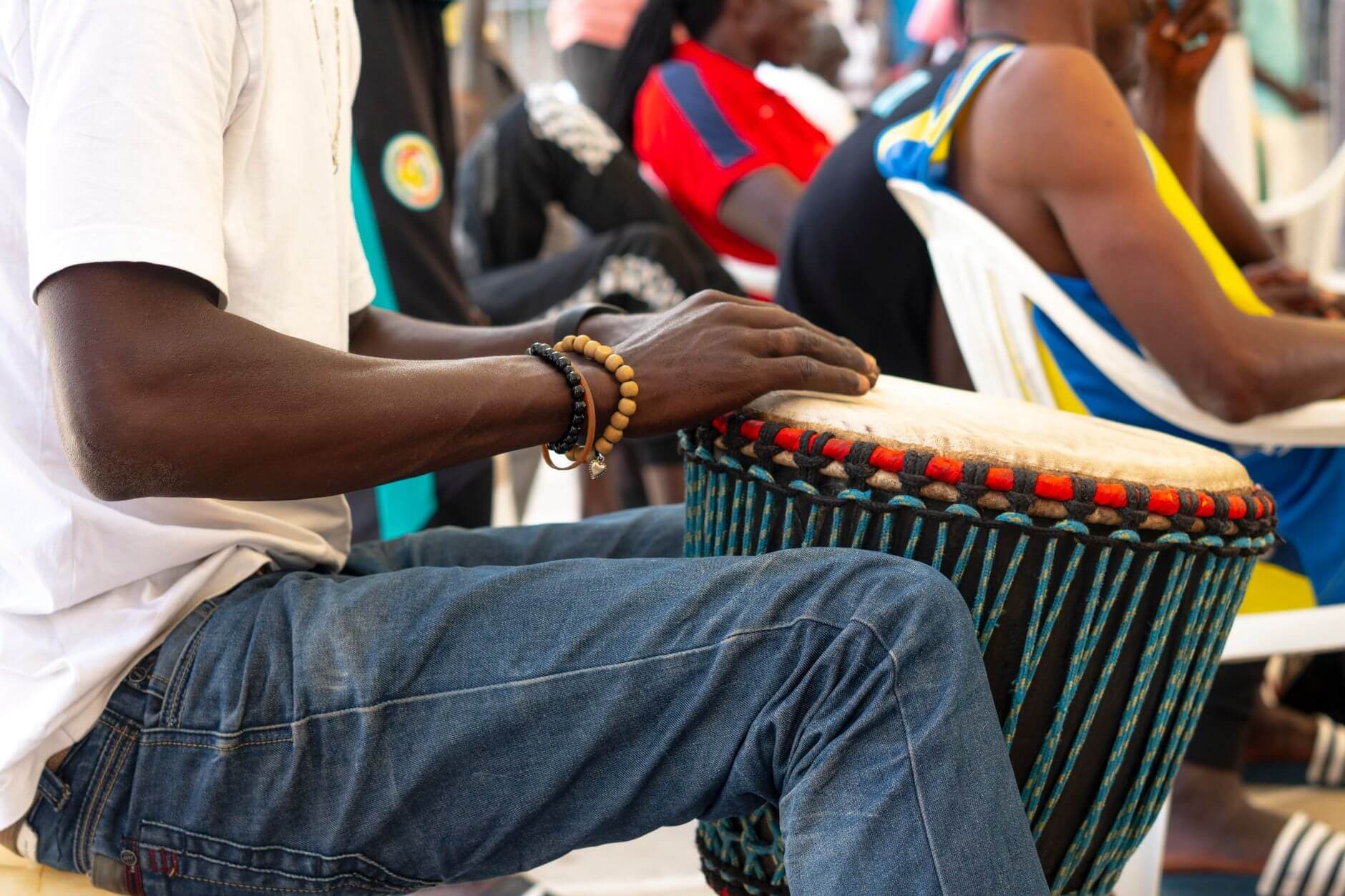
Diola music is vibrant, percussive, and deeply ritual. The akonting, a three-stringed lute considered by many ethnomusicologists to be a direct ancestor of the North American banjo, is the emblematic instrument of the Diola people. Communal ceremonies — weddings, funerals, harvest festivals — are inseparable from music and dance, where the beat of the drums sets the pulse of collective life.
Palm Wine: Tradition and Conviviality
Palm wine holds a special place in Diola culture. Tapped from the palm trees that abound in Casamance, this fermented drink is an essential part of rituals, celebrations, and everyday hospitality. Sharing a calabash of palm wine with a Diola family is one of those welcoming gestures no traveler forgets.
The Diola People in Casamance: A Unique Territory
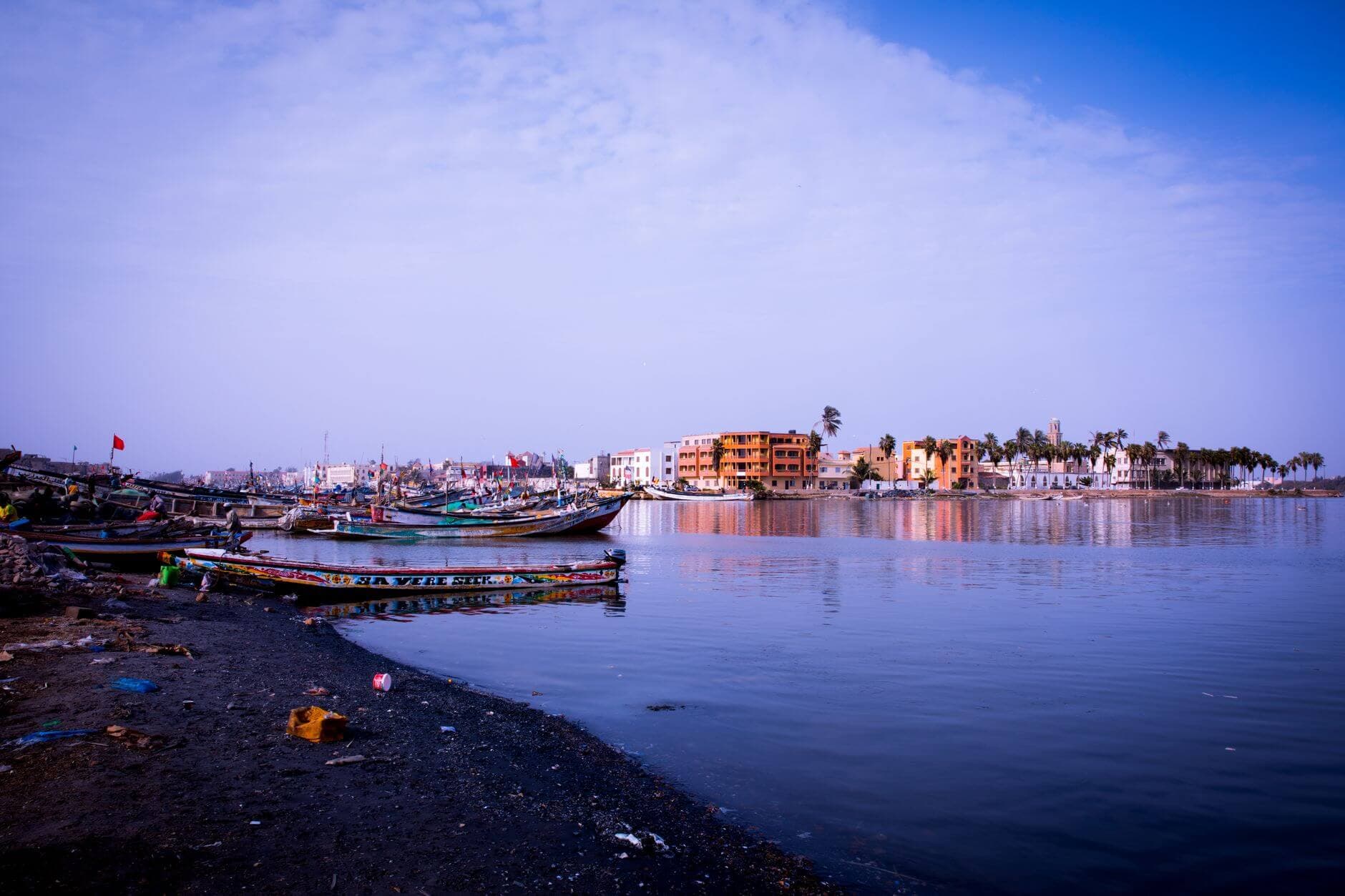
Casamance is not just home to the Diola people: it is also one of Senegal's most beautiful landscapes. Its mangroves, pristine beaches — such as Cap Skirring or Kafountine — and traditional villages make for a perfect setting for responsible, enriching cultural tourism.
Exploring Casamance with a local Diola guide opens the door to authentic experiences: visiting a village, attending a traditional music ceremony, learning about rice cultivation, or simply sitting under a palm tree to listen to the stories elders keep as treasures. At NeoGeo DMC we organize excursions and cultural tours to Casamance designed to make your encounter with the Diola people genuine, respectful, and memorable — discover our Casamance in Full: Discovering the Diola Soul program and get in touch to build your ideal experience.
Experience Diola Casamance Firsthand
Our "Casamance in Full: Discovering the Diola Soul" program takes you to the villages, the sacred forests accessible to visitors, and the rhythms of the akonting, always with local Diola guides.
Challenges and Preservation of Diola Culture
Like so many indigenous peoples around the world, the Diola face the challenge of preserving their identity amid accelerating globalization. Young people migrating to cities, pressure from monotheistic religions, and the impact of mass tourism are all factors that could erode traditions if not managed with care.
Yet Diola resilience is historic. Local cultural organizations, oral documentation projects, and growing interest in responsible cultural tourism are helping new generations value and pass on their heritage. The conscious traveler who chooses to learn about Diola culture in Senegal unknowingly becomes part of that preservation effort.
Tips for Visiting the Diola People Respectfully
• Ask permission before photographing people, rituals, or sacred spaces. Respect is your best introduction.
• Dress modestly, especially in villages. Covering shoulders and knees is a sign of consideration.
• Learn a few words in Diola: a greeting in the local language opens more doors than any tip.
• Hire local guides: money invested in community guides feeds directly into the local economy.
• Avoid sacred forests without an explicit invitation. These are spaces of great spiritual significance, and access is regulated by the community itself.
• Buy handicrafts directly from local artisans: baskets, textiles, and wooden objects are souvenirs that tell a real story.
FAQ: Frequently Asked Questions About Diola Culture in Senegal
Where does the Diola people mainly live?
The Diola are concentrated mainly in the Casamance region of southern Senegal, though communities also exist in Gambia and Guinea-Bissau. The towns of Ziguinchor and Cap Skirring are good starting points for discovering their culture.
What is the traditional religion of the Diola?
The traditional Diola religion is animist and centers on Emitai, the supreme creator god, and the ukine, ancestral spirits that dwell in nature. Although many Diola now practice Islam or Christianity, traditional beliefs and rituals remain very present in community life.
What is the Diola initiation rite?
It is a rite of passage into adulthood that takes place in the sacred forests. Young people spend a period of seclusion during which they learn their people's values, responsibilities, and secret knowledge. It is one of the most important rituals in Diola tradition and marks a turning point in each person's life.
Can tourists visit a Diola village?
Yes, but always respectfully and through organized channels. It's best done through a tour operator or local guide with ties to the community. At NeoGeo DMC we organize responsible cultural visits to Diola villages in Casamance through our Casamance in Full program, ensuring the encounter benefits both the traveler and the community.
What is the best time to visit Casamance and experience Diola culture?
The dry season, from November to May, is the most recommended time to visit Casamance. The weather is pleasant, roads are passable, and it's possible to attend some community festivities and celebrations. The rainy season, from June to October, transforms the landscape into a lush green spectacle, though access to certain areas can be more difficult.