Beaches of Senegal: from the Atlantic Coast to the Paradises of Casamance
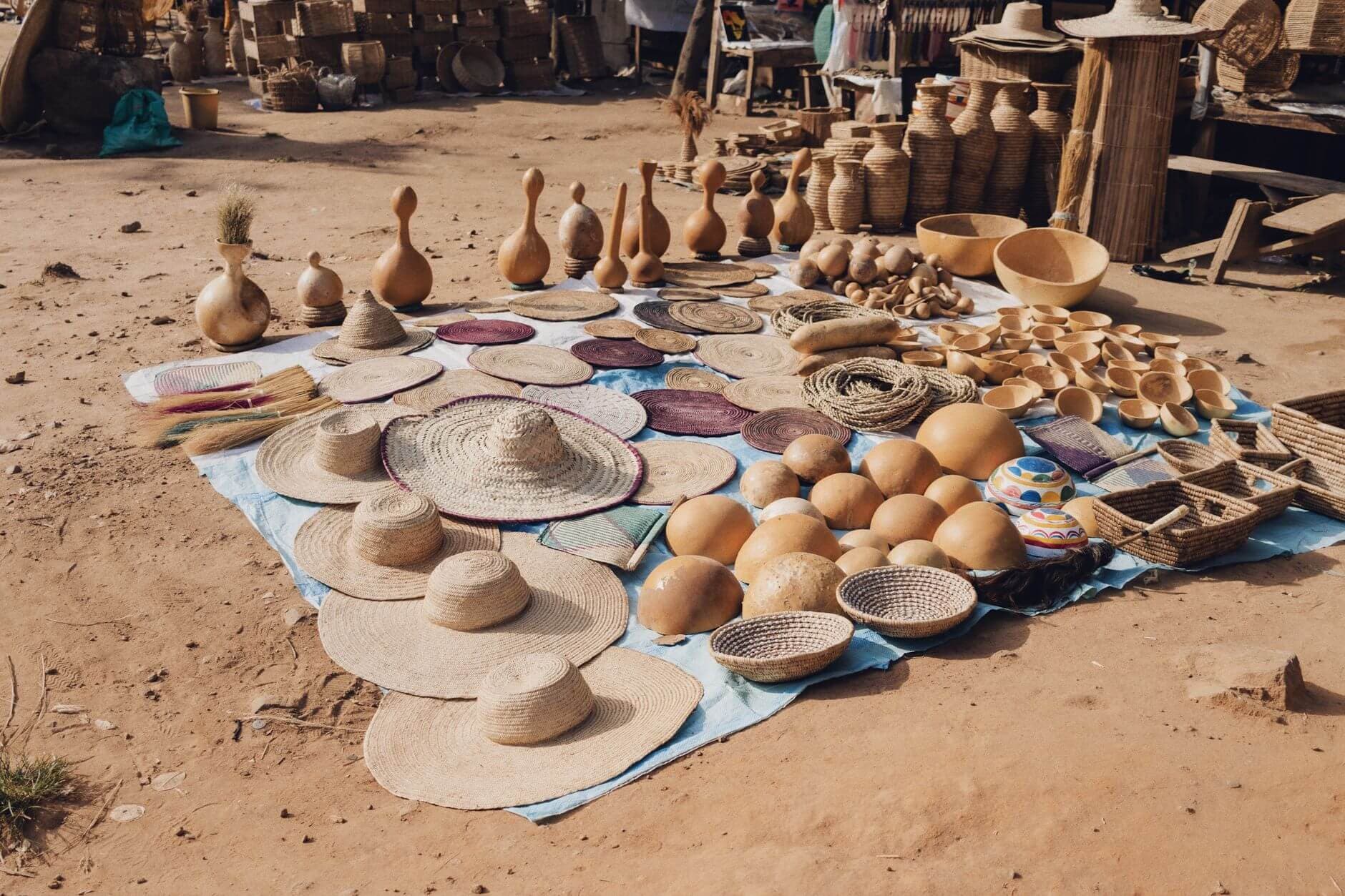
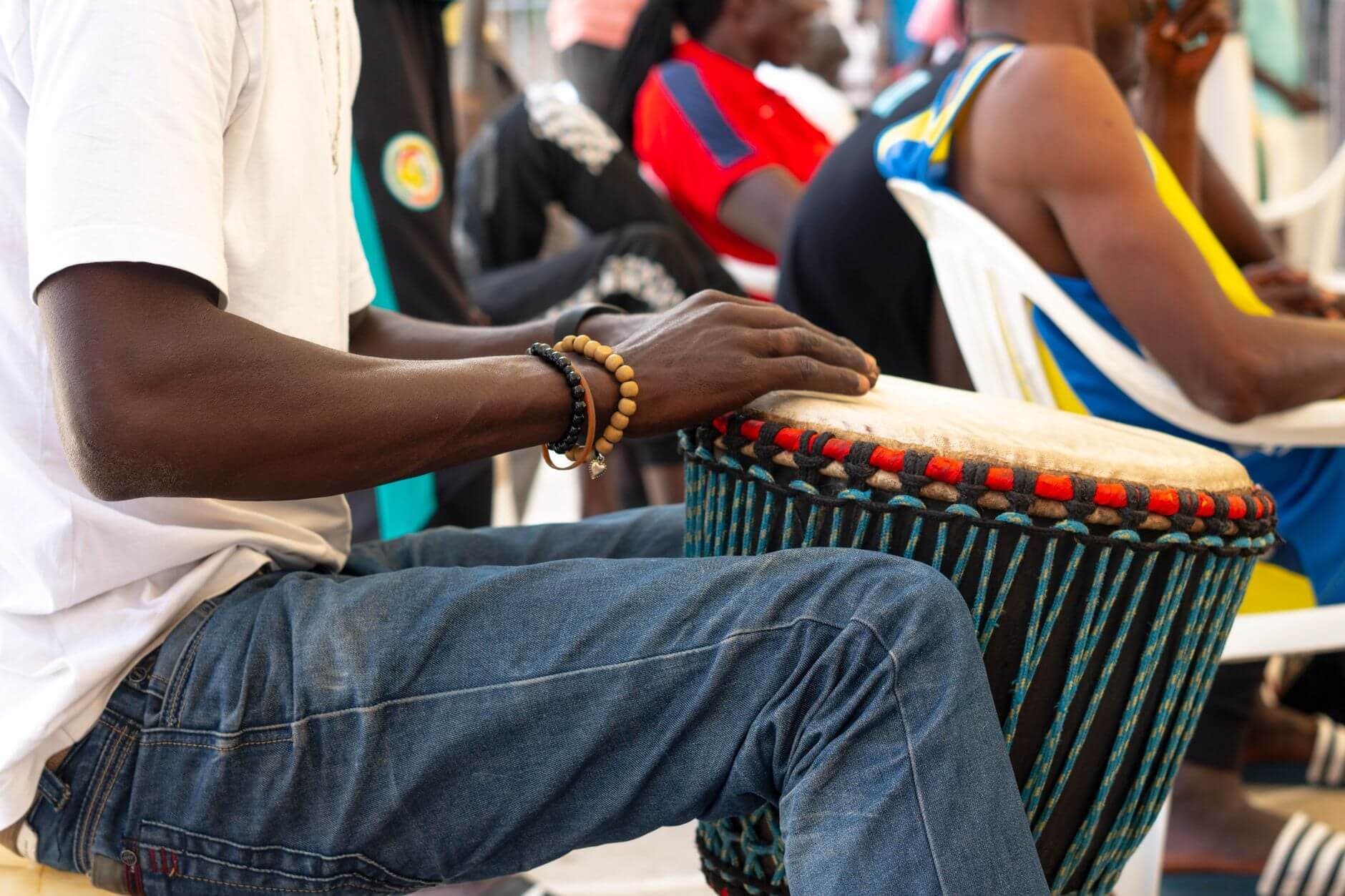
Senegal is much more than drums, baobabs, and markets full of color. Its Atlantic coast hides some of the most spectacular beaches in Western Africa, and the Casamance region —in the south of the country— keeps corners that seem taken from a tropical dream. If you're thinking of a different, authentic, and lively destination, the beaches of Senegal deserve a prominent place on your travel list.
In this article, we take you on a tour of the best beaches in the country, from the lively coast of Dakar to the mangroves and calm waters of Casamance, so you can plan your escape with all the information you need.
Why visit the beaches of Senegal
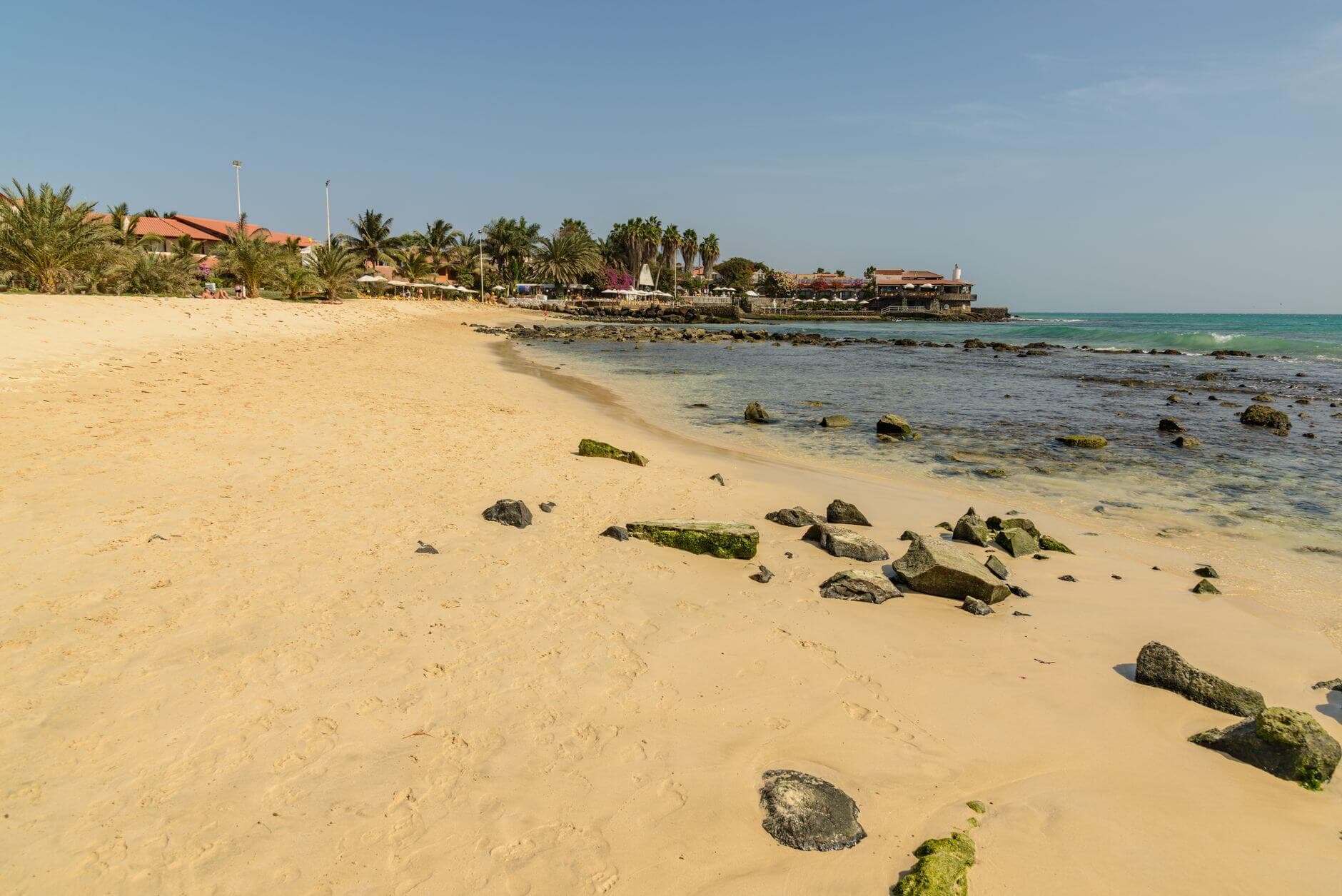
The Atlantic Ocean bathes more than 700 kilometers of Senegalese coast. Along this coastline, you'll find everything from urban and lively beaches to virgin sandbanks where the only sound is that of the waves. The tropical climate, with a dry season from November to May, makes Senegal a destination of practically guaranteed sun for most of the year.
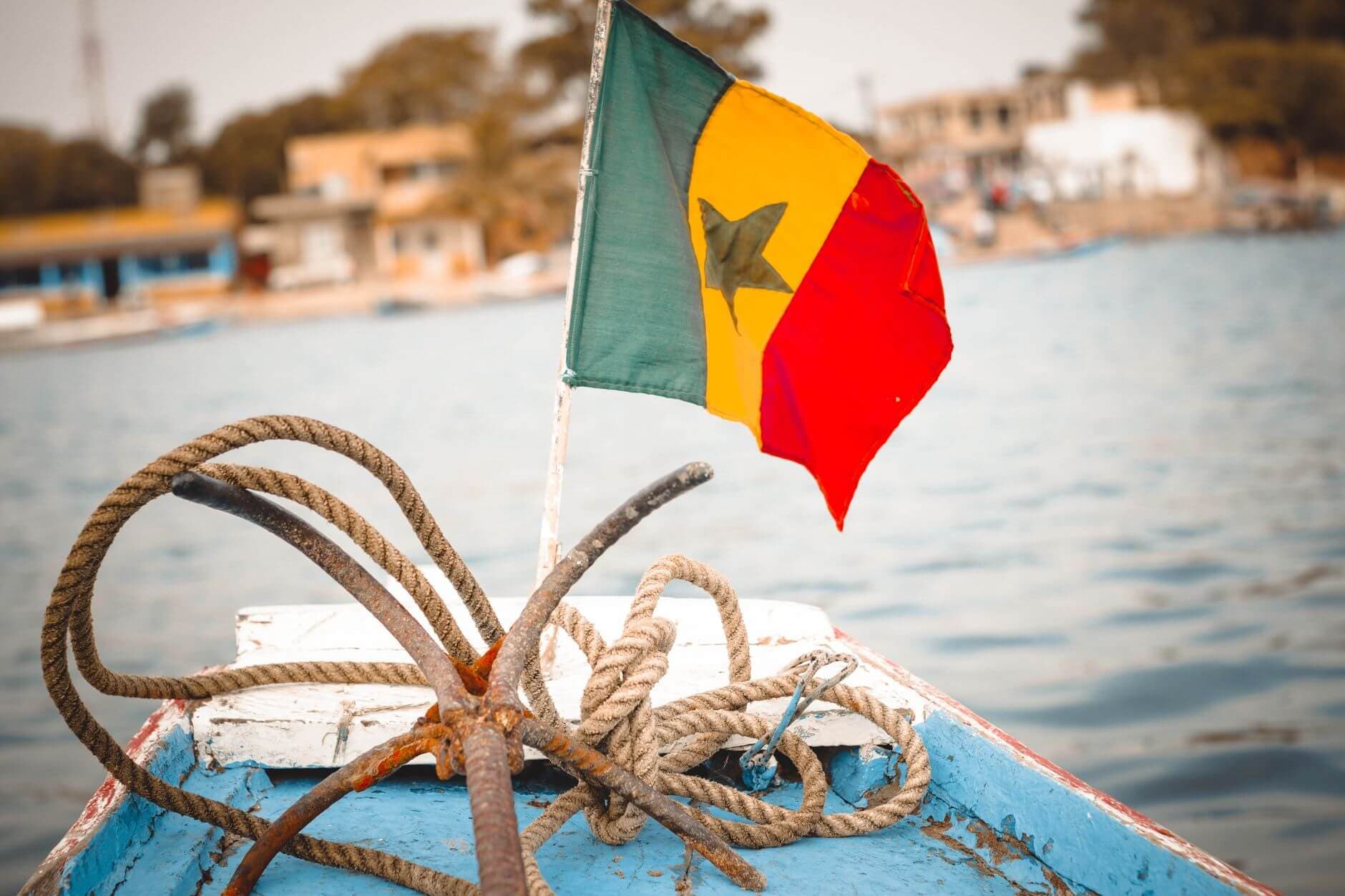
Additionally, the beaches of Senegal are integrated into a rich cultural context: lalaas fishermen who go out at dawn with their colorful pirogues, music that comes from nearby villages, and a coastal gastronomy based on fresh fish that has no rival. Here you don't just enjoy the sea; you live a complete experience.
The best beaches of the Senegalese Atlantic coast
La Petite Côte: the tourist heart of the coastline
South of Dakar lies the so-called Petite Côte, a coastal strip that concentrates some of the country's most popular beach destinations. Saly is its main hub: a well-equipped tourist town with hotels, restaurants, and all kinds of services, ideal for those seeking comfort without giving up the African atmosphere.
Beyond Saly, the Petite Côte offers beaches like those of Mbour, where the fish market is a must-visit, or the more tranquil sands of Warang and Ngaparou, perfect for those who prefer a less crowded environment. The water color, an intense blue, and the golden sand create images that are hard to forget.
La Somone: lagoon, mangrove, and beach in one place
A few kilometers from Saly, the La Somone lagoon is one of those places that surprise even the most experienced travelers. A sandbar separates the ocean from a lagoon surrounded by mangroves where hundreds of bird species live. Here you can combine bathing in the Atlantic with a kayak ride through the mangrove canals or a pirogue excursion to spot pelicans, herons, and cormorants.
La Somone is also a perfect destination for surfing and kitesurfing, thanks to the wind and wave conditions at certain times of the year. If you fancy a different activity, our local guides can organize personalized excursions through the lagoon so you don't miss any corner.
Dakar and the Cap-Vert peninsula
The Senegalese capital is not usually associated with beach tourism, but the Cap-Vert peninsula —where Dakar is located— has its own jewels. N'Gor is perhaps the most famous: a white sand beach that can be reached by a short pirogue ride from the continent. Its relaxed atmosphere and small island in front of the shore make it the perfect escape from urban bustle.
The Yoff beach, further north, is the territory of the lebou fishermen and offers an authentic glimpse of Senegalese coastal life, while the beaches of Les Almadies are the westernmost point of the African continent, a geographical landmark that justifies the visit in itself.
Casamance: the green paradise of southern Senegal
If there's a region that sums up Senegal's natural diversity, it's Casamance. Separated from the rest of the country by Gambia, this southern area has its own identity, marked by lush vegetation, rivers that wind through mangroves, and a rich Diola culture. And, of course, beaches that are among the most beautiful in all of Western Africa.
Cap Skirring: the jewel of Casamance
The name of Cap Skirring immediately evokes images of endless white sand, palm trees leaning over the sea, and dazzling turquoise waters. It's no coincidence: this coastal town in southern Senegal is considered by many travelers to be the country's best beach, and it's hard to argue with that.
The Cap Skirring beach stretches for several kilometers with hardly any interruptions, with waves that invite both calm bathing and surfing. The accommodation offer ranges from nature-integrated campsites to small family hotels, all with that particular charm that characterizes tourism in Casamance.
Ziguinchor and the rivers of Casamance
The regional capital, Ziguinchor, is the gateway to all of southern Senegal. From here, river excursions depart along the Casamance River, combining nature with visits to Diola villages, where traditional architecture and local ceremonies offer a cultural immersion that's hard to find in other African destinations.
The bolongs —natural canals between mangroves— are the ideal setting for birdwatching, kayaking, and traditional fishing. Casamance tourism is, in short, a proposal that goes far beyond the beach: it's an encounter with almost intact nature and a living culture.
Kabrousse and the virgin beaches of the south
Beyond Cap Skirring, the coast of Casamance keeps beaches that are practically unknown to mass tourism. Kabrousse and the surroundings of Diembéring offer wild sandbanks where human presence is minimal and nature rules. These corners are perfect for those seeking to truly disconnect and enjoy a coastline that has not yet been touched by mass tourism.
Practical tips for visiting the beaches of Senegal
Best time: from November to April, during the dry season, with pleasant temperatures and clear skies.
How to get to Casamance: you can fly directly to Ziguinchor from Dakar, or take the ferry that connects both cities —a journey that in itself is a memorable experience.
Accommodation: from eco-campsites to boutique hotels; book in advance during high season.
Water safety: some beaches have strong currents. Always consult with locals or your guide before bathing in unknown areas.
Cultural respect: on beaches near villages, dress discreetly outside the bathing area and ask permission before photographing people.
If you want to make the most of your visit, our team at NeoGeo DMC can design a customized itinerary that combines the best beaches of Senegal with cultural excursions, birdwatching safaris, and local gastronomic experiences. Contact us and we'll help you plan the perfect trip.
Travel with NeoGeo DMC
To explore these coasts with everything organised, discover our Full Casamance: an immersion in the Diola communities circuit (12 days) or the La Somone: the whisper of the lagoon excursion. Ask our team for a tailor-made quote.
Frequently asked questions about the beaches of Senegal
What is the best beach in Senegal for families?
Saly and the beaches of the Petite Côte are ideal for families thanks to their tourist infrastructure, relatively calm waters in some areas, and wide range of activities. Cap Skirring, in Casamance, is also an excellent option for those seeking a more natural and peaceful environment.
Is it safe to travel to Casamance?
Casamance has experienced a significant improvement in its security situation in recent years and receives an increasing number of tourists. However, it's always recommended to inform yourself about current conditions before traveling and to do so with a local operator you trust, such as NeoGeo DMC, who knows the region in depth.
What activities can be done on the beaches of Senegal?
The options are very varied: surfing, kitesurfing, kayaking, traditional fishing, birdwatching in the mangroves, pirogue excursions, and, of course, simply enjoying the sun and the sea. The combination of nature and culture makes every day on the Senegalese coast different.
When is the best time to visit the beaches of Senegal?
The dry season, from November to April, is the most recommended. The temperatures are pleasant, the rain is scarce, and the sky remains clear most of the time. The wet season, from June to October, transforms Casamance into a lush green landscape, although the rains can make some trips more difficult.
Do you need a visa to travel to Senegal?
Citizens of the European Union do not need a visa to enter Senegal for stays of up to 90 days. Always check the updated information at the Senegalese consulate or embassy in your country before traveling, as conditions may change.