What to see in Senegal: complete guide to essential places
Senegal is one of those destinations that, once visited, leaves an indelible mark. Its mix of vibrant culture, unique landscapes, wild fauna, and legendary hospitality — the famous teranga — makes it one of the most fascinating countries in West Africa. If you're planning your trip and wondering what to see in Senegal, this guide will help you discover all the essential corners, with orientative itineraries for a week or ten days.
Dakar: the capital that doesn't leave you indifferent
Any trip to Senegal begins — or ends — in Dakar. The Senegalese capital is a city full of energy, colors, and contrasts. Located on the Cap-Vert Peninsula, it is the main entry point to the country and deserves at least two or three days of exploration.
What to see in Dakar
- Île de Gorée: A few minutes by ferry from the port of Dakar, this small island is a UNESCO World Heritage Site. It was one of the main centers of the slave trade in the Atlantic, and today its silence and colonial architecture invite deep reflection. The House of Slaves is its most emblematic visit.
- Monument de la Renaissance Africaine: This imposing bronze statue dominates the Dakar skyline from the top of a volcanic hill. It represents an African family looking out to the ocean and is a symbol of the continent's rebirth.
- Mercado Sandaga and Marché Kermel: Two markets where you can immerse yourself in daily life in Dakar, among colorful fabrics, spices, local handicrafts, and the characteristic bustle of the city.
- Barrio de la Médina and the Grand Mosque: Walking through the Médina is entering the authentic Dakar, with its narrow streets, street vendors, and the large mosque that presides over the neighborhood.
- Plage de N'Gor and Île de N'Gor: On the outskirts of the city, this quiet beach and the small island in front of it offer a respite from the urban rhythm and are perfect for surfing or simply relaxing.
La Petite Côte and the Saloum Delta
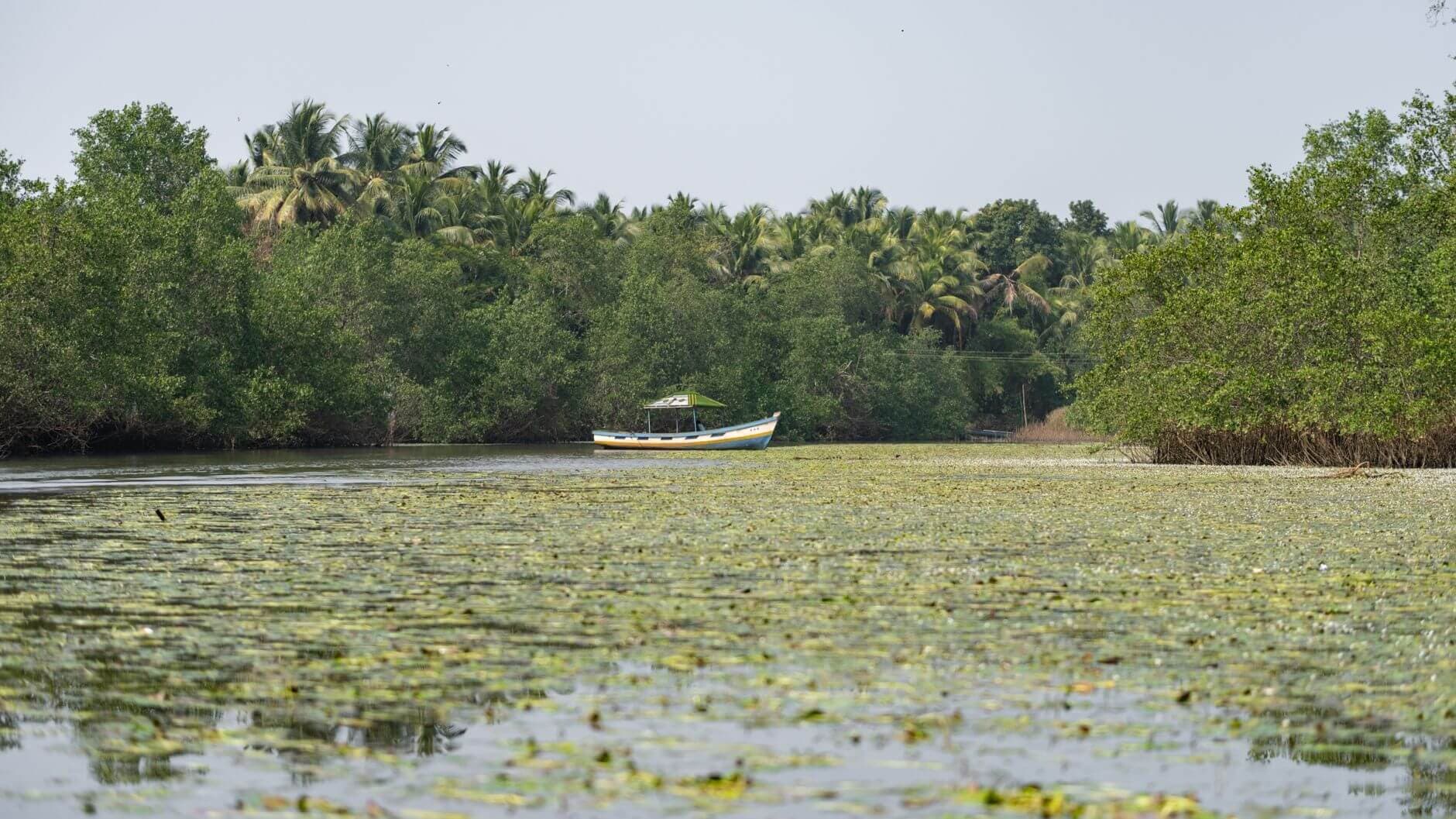
To the south of Dakar lies the so-called Petite Côte, a coastal strip of golden sandy beaches, warm waters, and fishing villages. Saly is the most developed tourist destination in this area, ideal for relaxation and water sports. Further south, the Saloum Delta is one of Senegal's natural treasures: a labyrinth of mangroves, islands, and canals that harbors extraordinary biodiversity and is also a UNESCO World Heritage Site. Excursions by pirogue through its canals at sunset are an experience that has no price.
Saint-Louis: the colonial city of the north
Saint-Louis is, without a doubt, one of the essential places in Senegal. The former capital of French West Africa, this city declared a World Heritage Site preserves unique colonial architecture, with its colorful houses, wrought-iron balconies, and the Faidherbe Bridge over the Senegal River. Walking through its central island at sunset is like stepping back in time. Additionally, Saint-Louis is the gateway to the Djoudj National Park, one of the most important bird sanctuaries in the world, where millions of migratory birds arrive each year from Europe.
Casamance: the green and mysterious south
The Casamance region, in the south of the country, is completely different from the north. Here the landscape becomes more exuberant, with forests, rivers, and a Diola culture with its own traditions. Ziguinchor is the regional capital, a quiet and authentic place. From there, you can explore the Basse Casamance National Park, visit traditional villages, or get lost in the canals of the Casamance River estuary. The beaches of Cap Skirring, with their turquoise waters and relaxed atmosphere, are considered some of the most beautiful in all of West Africa.
The Bassari Country and the Kedougou region
For travelers seeking adventure and authenticity, the Bassari Country, in southeastern Senegal, is a revelation. This region, also recognized by UNESCO as a World Heritage Site, is home to the Bassari, Bedik, and Fula peoples, with ancestral cultures that have remained almost intact. The landscape of hills, waterfalls, and adobe villages is of a sober and authentic beauty. The Dindefelo Waterfalls, near Kedougou, are one of the most spectacular corners of the country.
Niokolo-Koba National Park
The Niokolo-Koba National Park is Senegal's largest nature reserve and one of the most important wildlife parks in West Africa. Declared a World Heritage Site by UNESCO, it is home to elephants, hippos, lions, leopards, chimpanzees, and hundreds of bird species. A safari through its trails is the perfect experience for nature and wildlife lovers. From NeoGeo DMC, we organize excursions and safaris tailored to all traveler profiles.
Itinerary: what to see in Senegal in a week
If you have seven days, we recommend the following orientative itinerary:
- Days 1-2: Dakar. Arrival, visit to Gorée Island, Renaissance Monument, markets, and historic neighborhoods.
- Day 3: Petite Côte. Transfer to Saly or the coastal area to enjoy the sea and fishing villages.
- Days 4-5: Saloum Delta. Excursion by pirogue through the mangroves, bird watching, and contact with local communities.
- Days 6-7: Saint-Louis. Visit to the colonial city, walk across the Faidherbe Bridge, and excursion to the Djoudj National Park.
Itinerary: what to see in Senegal in 10 days
With ten days, you can expand the experience and include the south of the country:
- Days 1-2: Dakar. Complete exploration of the capital.
- Day 3: Petite Côte. Beaches and coastal culture.
- Days 4-5: Saloum Delta. Nature and pirogue excursions through the mangroves.
- Days 6-7: Saint-Louis and Djoudj. Colonial city and bird sanctuary.
- Days 8-9: Casamance. Flight or transfer to Ziguinchor, visit to villages and beaches of Cap Skirring.
- Day 10: Return to Dakar. Last-minute handicraft shopping and return flight.
If time allows, including a night in the Bassari Country or a visit to the Dindefelo Waterfalls greatly enriches the experience.
Practical tips for traveling to Senegal
- Best time to travel: The dry season, between November and May, is the most recommended. Temperatures are pleasant, and rainfall is scarce.
- Currency: The CFA Franc (XOF) is the official currency. It is recommended to carry cash, although in major cities there are ATMs.
- Language: French is the official language, although Wolof is the most spoken language on the street. Learning a few basic words in Wolof — such as nanga def (how are you?) or mangi fi (I'm fine) — opens many doors.
- Health: Consult with your doctor the recommended vaccinations before traveling. Anti-malarial prophylaxis is common for many areas of the country.
- Transportation: To move between cities, sept-places (shared taxis) are the most economical and authentic option. For greater comfort, a private vehicle with a driver is the best option, especially for rural areas.
Frequently asked questions about what to see in Senegal
How many days are needed to see the essentials of Senegal?
With a week, you can visit Dakar, the Petite Côte, the Saloum Delta, and Saint-Louis. To include Casamance and the south of the country, it's ideal to have at least ten days.
Is it safe to travel to Senegal?
Senegal is considered one of the most stable and safe countries in West Africa. As with any destination, it's recommended to take basic precautions and consult your government's travel recommendations before departing.
What to see in Dakar in a day?
If you only have a day in Dakar, prioritize a visit to Gorée Island (essential), the Renaissance Monument, and a walk through the Marché Kermel or the Médina to soak up the local atmosphere.
What is the best time to visit Senegal?
The best time is the dry season, from November to May. June to October is the rainy season, especially in the south of the country, although it also has its charm for those seeking greener landscapes and fewer tourists.
Can I organize a trip to Senegal with a specialized operator?
Absolutely. Having a local DMC like NeoGeo DMC guarantees personalized itineraries, specialized guides, and the peace of mind of having support in the destination throughout your trip. Contact us to design your customized experience.