
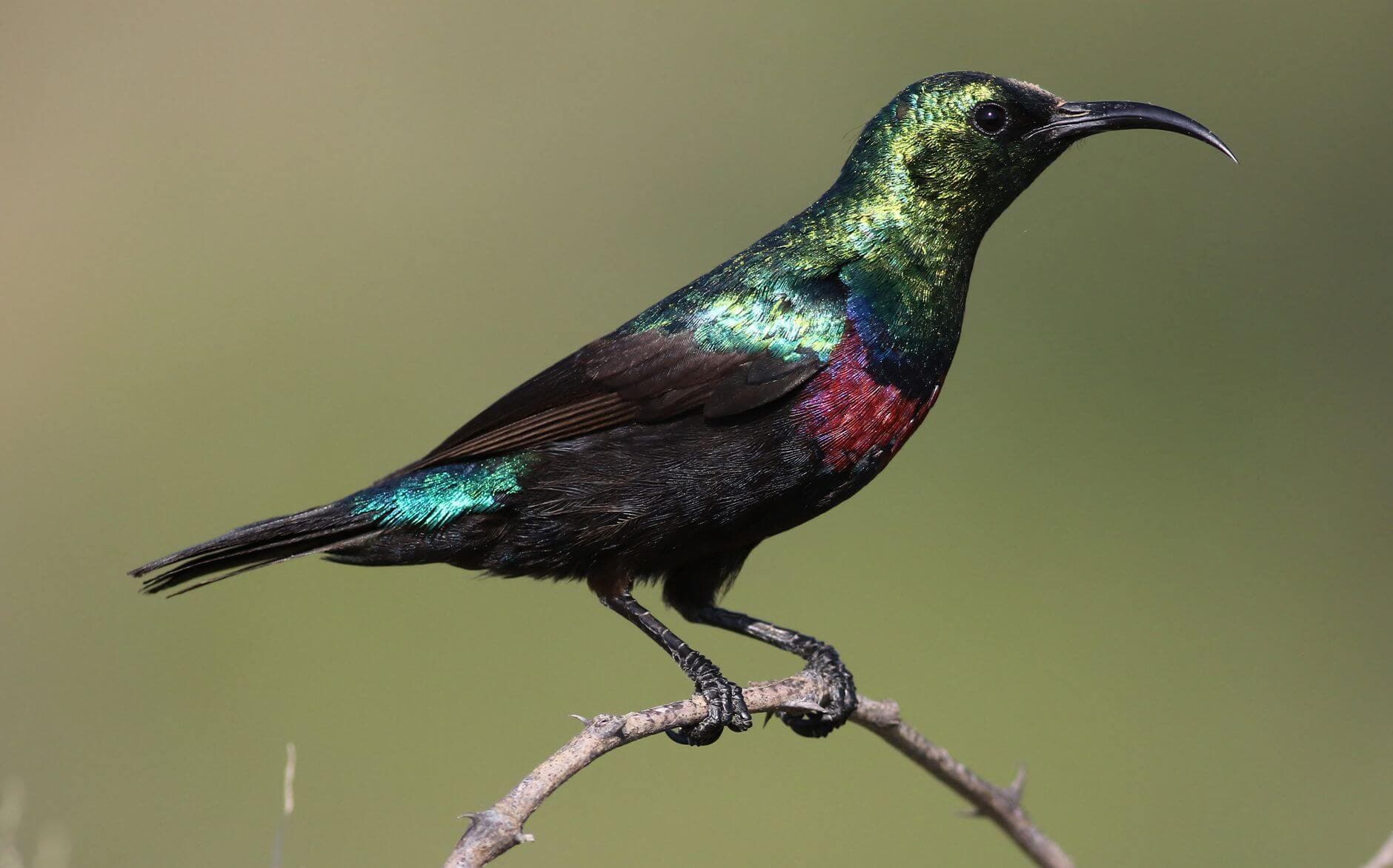
Migratory Birds in Senegal: Complete Guide to Ornithological Birdwatching
Senegal is one of the most fascinating destinations in the world for ornithology lovers. Its privileged geographical position, at the western end of Africa, makes it a stopping and final point for millions of migratory birds that each year travel thousands of kilometers from Europe and North Africa. Whether you are an expert ornithologist or a curious traveler who wants to live a different experience, birdwatching migratory birds in Senegal will leave you speechless.
In this complete guide, you will find everything you need to know: the most outstanding species, the best time to visit the country, and the essential ornithological routes. Get your binoculars and field guide ready!
Why is Senegal a Paradise for Migratory Birds?
The answer lies in its geography and the diversity of its ecosystems. Senegal has internationally important coastal wetlands, mighty rivers, savannas, mangroves, and arid zones of the Sahel, all of which are habitats that attract a huge variety of species. The country is part of the East Atlantic Migration Route, one of the most trafficked air highways on the planet.
Additionally, Senegal hosts several national parks and natural reserves recognized by UNESCO and Ramsar, which guarantees the protection of habitats and, therefore, the continued presence of birds. More than 650 species of birds are estimated to be registered in the country, of which a significant part are migratory or seasonal visitors.
Species of Migratory Birds that can be Observed in Senegal
Senegal's ornithological catalog is extraordinary. Below, we present some of the most sought-after species by birdwatching enthusiasts:
- White Pelican: Thousands of specimens winter in the Saloum Delta and in the Langue de Barbarie National Park, forming spectacular colonies.
- Greater Flamingo: One of the icons of birdwatching in Senegal. It concentrates in coastal lagoons and in the famous Pink Lake (Lac Rose), where the colors of the landscape create unique scenes.
- White Stork (Ciconia ciconia): Migrates from Europe and spends the boreal winter in the humid areas of the interior and coast.
- Pale Harrier (Circus cyaneus): Migratory bird of prey that flies over the savannas and open areas of the country.
- Royal Tern (Thalasseus maximus): Present on the Atlantic coast, especially in the Langue de Barbarie.
- Great Egret (Ardea alba): Common in the mangroves of the Saloum Delta and the Casamance estuary.
- Common Kingfisher (Alcedo atthis): Winter visitor that frequents the rivers and lagoons of the interior.
- Ruff (Calidris pugnax): Migratory shorebird that is very abundant in rice fields and flooded areas.
Rare Birds in Senegal: Species Sought by Experts
For more advanced ornithologists, Senegal offers the possibility of spotting rare birds that are hardly found in other destinations. Among them, the following stand out:
- Pink-backed Pelican (Pelecanus rufescens): African resident species that coexists with migratory birds in the Saloum Delta.
- Atlantic Gannet (Morus bassanus): Can be observed in the high seas and on the coast during the winter.
- Temminck's Stint (Calidris temminckii): Uncommon shorebird that appears during the autumn migration.
- Great Skua (Stercorarius skua): Visible on maritime crossings off the Senegalese coast.
If you are looking for these more elusive species, we recommend hiring local guides specialized in ornithology, who know the best observation points and the seasonal behaviors of each species.
Best Time for Birdwatching in Senegal
One of the most frequent questions is: when is the best time to see migratory birds in Senegal? The answer varies depending on the species you want to observe, but in general, we can distinguish two large time windows:
Dry Season: from November to April
This is the golden period for birdwatching in Senegal. Migratory birds from Europe and North Africa arrive in the country fleeing the boreal winter. The weather conditions are ideal: pleasant temperatures, clear skies, and less dense vegetation that facilitates observation. It is the time when wetlands reach their maximum ornithological splendor, with massive concentrations of waterbirds, shorebirds, and birds of prey.
- November-January: Massive arrival of wintering migrants. Ideal for pelicans, flamingos, storks, and shorebirds.
- February-March: The birds are in full nuptial plumage, which facilitates identification and offers exceptional photographic opportunities.
- April: Beginning of the prenuptial passage to the north. Excellent for observing species in transit.
Rainy Season: from May to October
Although less popular for tourism in general, the wet season has its own ornithological appeal. The rains transform the landscape and create new temporary habitats that attract African breeding species and some migratory birds in transit. However, observation conditions are more difficult, and access to certain parks may be limited.
Bird Migration Routes in Senegal: The Best Ornithological Destinations
Senegal concentrates its best birdwatching areas around its large protected areas and coastal ecosystems. These are the essential ornithological routes:
1. Langue de Barbarie National Park
Located near Saint-Louis, this park is one of the most important sites for waterbirds in all of West Africa. The Langue de Barbarie is a narrow strip of sand that separates the Atlantic Ocean from the Senegal River estuary, creating a unique ecosystem. Here, you can observe colonies of pelicans, terns, cormorants, and a wide variety of shorebirds. It is probably the most emblematic place for birdwatching migratory birds in Senegal.
2. Saloum Delta National Park
Declared a World Heritage Site by UNESCO, the Saloum Delta is a labyrinth of mangroves, islands, and canals where wildlife is extraordinarily rich. Excursions by pirogue or canoe allow you to approach bird colonies silently without disturbing them. Flamingos, herons, kingfishers, and numerous species of shorebirds are the protagonists of this unique landscape.
3. Popenguine Nature Reserve
Just a few kilometers south of Dakar, this coastal reserve is an accessible and highly recommended destination for birdwatching enthusiasts. Its cliffs, beaches, and scrublands host a notable diversity of birds, including migratory birds from Europe.
4. Djoudj National Park
Considered one of the three most important ornithological parks in the world, Djoudj is located in the north of the country, near the border with Mauritania. Declared a World Heritage Site by UNESCO, it is the third-largest bird sanctuary in the world and hosts more than 1.5 million waterbirds during the boreal winter. The colonies of white pelicans are simply spectacular.
5. Casamance: The Forgotten South
The Casamance region, in the south of the country, is perhaps the least visited but one of the richest in biodiversity. Its tropical forests, rivers, and mangroves are home to unique forest species and numerous migratory birds that take advantage of this green corridor. A trip to Casamance is essential for more adventurous ornithologists.
Practical Tips for Birdwatching in Senegal
Before embarking on your ornithological adventure, keep in mind these tips:
- Equip yourself well: Binoculars of at least 8x42, a field guide specific to West Africa, and neutral-colored clothing are essential.
- Rise early: The first hours of the morning are the most active for birds. Plan your outings before dawn.
- Hire a local guide: Local ornithological guides know the best observation points and can identify birds that would be difficult for a visitor to recognize. Additionally, they contribute to the local economy and conservation of ecosystems.
- Respect natural spaces: Keep safe distances from birds, do not disturb nests, and always follow park ranger instructions.
- Bring sun protection and hydration: The sun in Senegal is intense, especially during the central hours of the day.
In NeoGeo DMC, we organize specialized birdwatching tours that include visits to the main parks and reserves, local expert guides, and well-located accommodations to maximize birdwatching opportunities. Check our itineraries and design the perfect experience for bird lovers.
Frequently Asked Questions about Migratory Birds in Senegal
How many bird species can be seen in Senegal?
Senegal has more than 650 registered bird species, of which a significant part are migratory or seasonal visitors from Europe and North Africa. It is one of the countries with the greatest ornithological diversity in West Africa.
What is the best time to see migratory birds in Senegal?
The best time is the dry season, between November and April. During these months, migratory birds from Europe arrive, the weather conditions are pleasant, and the vegetation is less dense, facilitating observation. February and March are especially good due to the birds' nuptial plumage.
What parks are essential for birdwatching in Senegal?
The most recommended destinations are the Djoudj National Park, the Langue de Barbarie National Park near Saint-Louis, and the Saloum Delta, a World Heritage Site. The Casamance region is also highly valued by more experienced ornithologists.
Is it necessary to hire a guide for birdwatching in Senegal?
It is not obligatory, but it is highly recommended. Local guides specialized in ornithology know the seasonal behaviors of species, the best observation points, and can identify birds that would be difficult for a visitor to recognize. Additionally, they contribute to the local economy and conservation of ecosystems.
Can flamingos be seen in Senegal?
Yes. The Greater Flamingo is one of the most emblematic species in Senegal and can be observed in several locations, especially in coastal lagoons, the Saloum Delta, and near the Pink Lake (Lac Rose), where the landscape colors create truly spectacular scenes.