Saly Senegal: A Complete Guide to Discovering the Petite Côte
If you're looking for a destination with sun, beach, and culture in West Africa, Saly Senegal deserves a prominent place on your list. This lively coastal town, located on Senegal's so-called Petite Côte, combines golden sandy beaches, a rich cultural tradition, and tourism infrastructure that makes it one of the most visited destinations in the entire region. In this guide, we'll tell you everything you need to know before traveling.
What Is Saly and Where Is It Located?
Saly, officially known as Saly-Portudal, is a coastal town in western Senegal, located in the Mbour department, about 80 kilometers south of Dakar. It's part of the Senegalese Petite Côte, a stretch of coastline that runs from Dakar to Joal-Fadiouth and is home to some of the country's most beautiful beaches.
For decades, Saly has been the epicenter of beach tourism in Senegal. Its warm, sunny climate almost year-round, the calm waters of the Atlantic, and its range of accommodation — from small family-run camps to large resorts — have made it an accessible destination for both independent travelers and organized groups.
How to Get to Saly from Dakar
Getting to Saly is relatively straightforward. From Dakar, the most convenient option is to book a private transfer or join an organized excursion, allowing you to enjoy the trip without worrying about logistics. The road journey takes roughly 1.5 to 2 hours depending on traffic, especially around the exit from the capital.
● Private transfer: the most comfortable option, recommended for families or groups.
● Sept-place taxi: shared taxis that depart from Dakar's gare routière toward Mbour, stopping in Saly.
● Bus or minibus: a cheaper option, though less direct.
If you arrive directly at Blaise Diagne International Airport (AIBD), the distance to Saly is even shorter — around 45 minutes — making it an ideal first stop after landing.
Saly Senegal's Beaches: The Main Draw
The beaches of Saly Senegal are, without a doubt, the main reason to visit. Along several kilometers of coastline, fine sandy beaches with different atmospheres follow one another:
Saly Nord Beach
The northern area is home to most of the hotels and resorts. Its waters are calmer, ideal for swimming with the family and practicing water sports like windsurfing or kitesurfing. The atmosphere is lively, with restaurants and beach bars right on the sand.
Saly Sud Beach
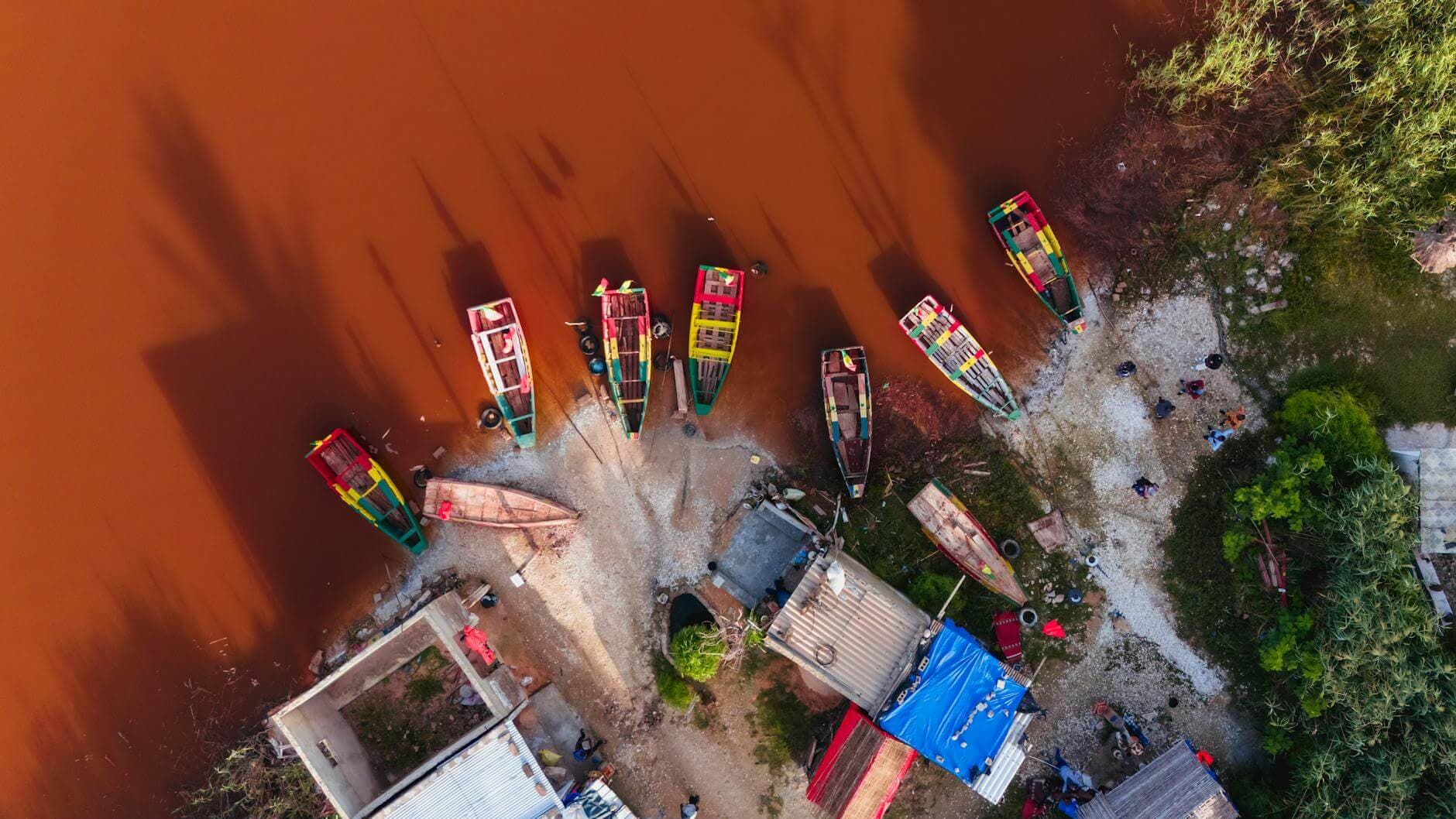
Heading south, the atmosphere becomes more relaxed and authentic. Here it's easier to find local fishermen at work with their colorful pirogues, offering a genuinely Senegalese scene. It's a perfect area for travelers seeking tranquility and contact with the local culture.
Nearby Beaches: Mbour and Warang
A few kilometers from Saly, the beaches of Mbour and Warang offer a quieter, less touristy alternative. It's worth spending half a day exploring them if you already know Saly.
What to See in Saly Senegal
Beyond the beach, tourism in Saly offers a range of cultural and natural attractions that enrich any stay.
Saly's Craft Market
The local market is a must-visit. Here you'll find high-quality Senegalese crafts: wax-print fabrics, wood carvings, silver and bronze jewelry, raffia baskets, and traditional masks. It's the perfect place to pick up an authentic souvenir while supporting local artisans. Remember that haggling is part of the local trading culture, so don't hesitate to do it with respect and good humor.
La Somone: The Whispering Lagoon
A few kilometers south of Saly lies one of the most special corners of the Petite Côte: La Somone. This protected lagoon, flanked by mangroves and home to hundreds of bird species, offers an experience completely different from conventional beach tourism. Paddling through it by pirogue at sunset, with the sky reflected on the water and birdsong as the only soundtrack, is one of those moments you never forget. To experience it with full peace of mind, our La Somone: The Whisper of the Lagoon excursion takes you through this natural paradise with specialized local guides.
Joal-Fadiouth
About 50 kilometers south of Saly, the island of Fadiouth — literally built on millions of seashells — is one of Senegal's most iconic sights. The village of Joal, birthplace of Senegal's first president, Léopold Sédar Senghor, and the island of Fadiouth together form a cultural and scenic complex of great value. It can be visited on a full-day excursion from Saly.
Lake Retba (The Pink Lake)
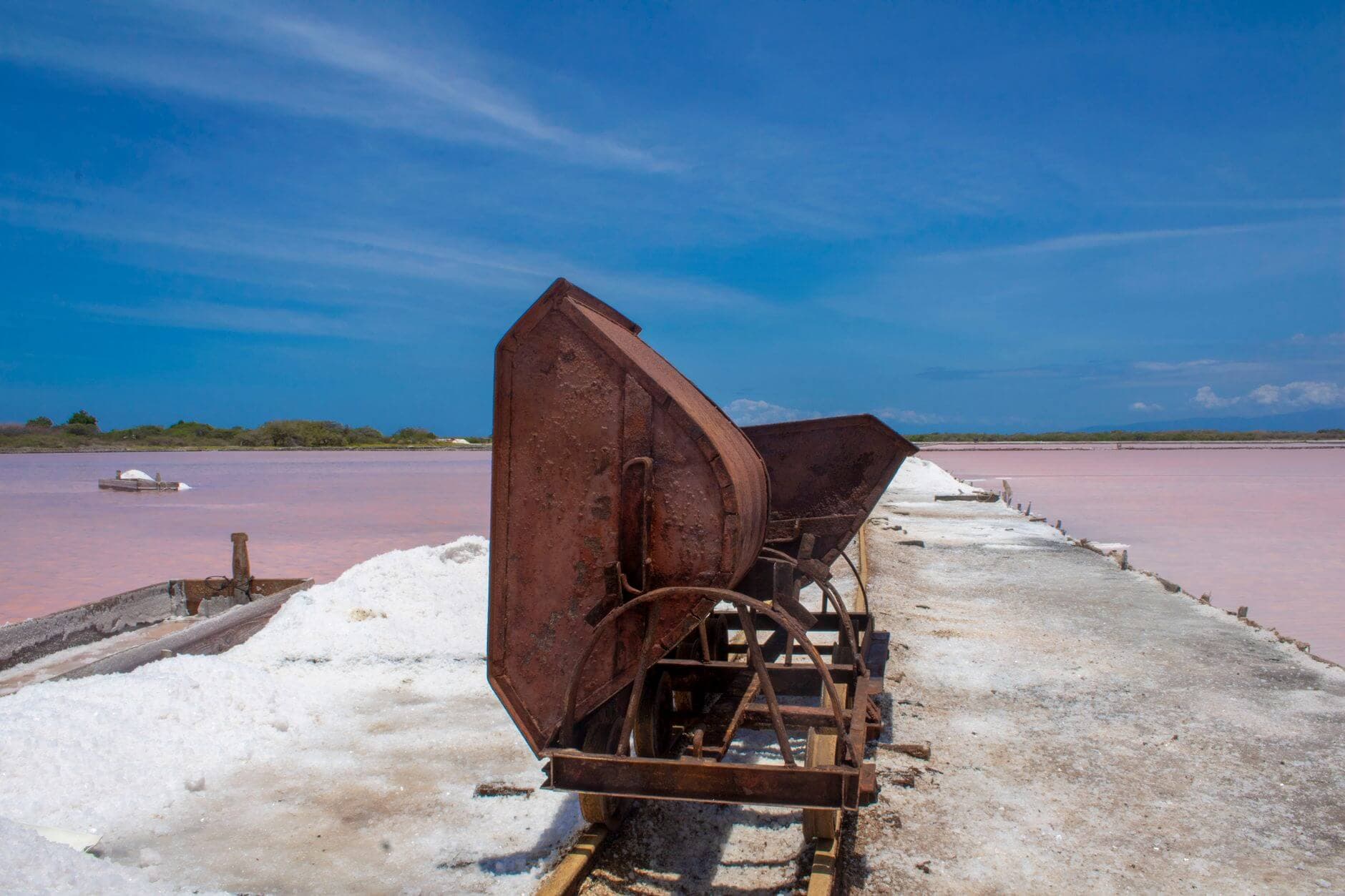
Although it's located a bit further north — near Dakar — the famous Pink Lake (Lac Rose) can be perfectly combined with a stay in Saly. Its pink-tinged waters, colored by a unique microalgae, are one of the most surprising natural spectacles in all of West Africa. Discover it in depth with our Premium Getaway to Pink Lake, an experience designed to be enjoyed with time, depth, and comfort.
What to Do in Saly Senegal: Recommended Activities
Saly offers a wide and varied range of activities, designed for every type of traveler:
● Water sports: kitesurfing, windsurfing, surfing, kayaking, and sport fishing are among the most popular activities among visitors.
● Birdwatching: the Petite Côte region is a paradise for birdwatching enthusiasts. Species such as the giant kingfisher, the white pelican, and the pink flamingo can be spotted in the surrounding area.
● Cultural excursions: visits to local villages, traditional drumming workshops, or Senegalese cooking classes are experiences that let you authentically connect with the country's culture.
● Local cuisine: don't leave Saly without trying thieboudienne (rice with fish), Senegal's national dish, or yassa au poulet, chicken marinated in lemon and onion. Local restaurants offer both local and international cuisine.
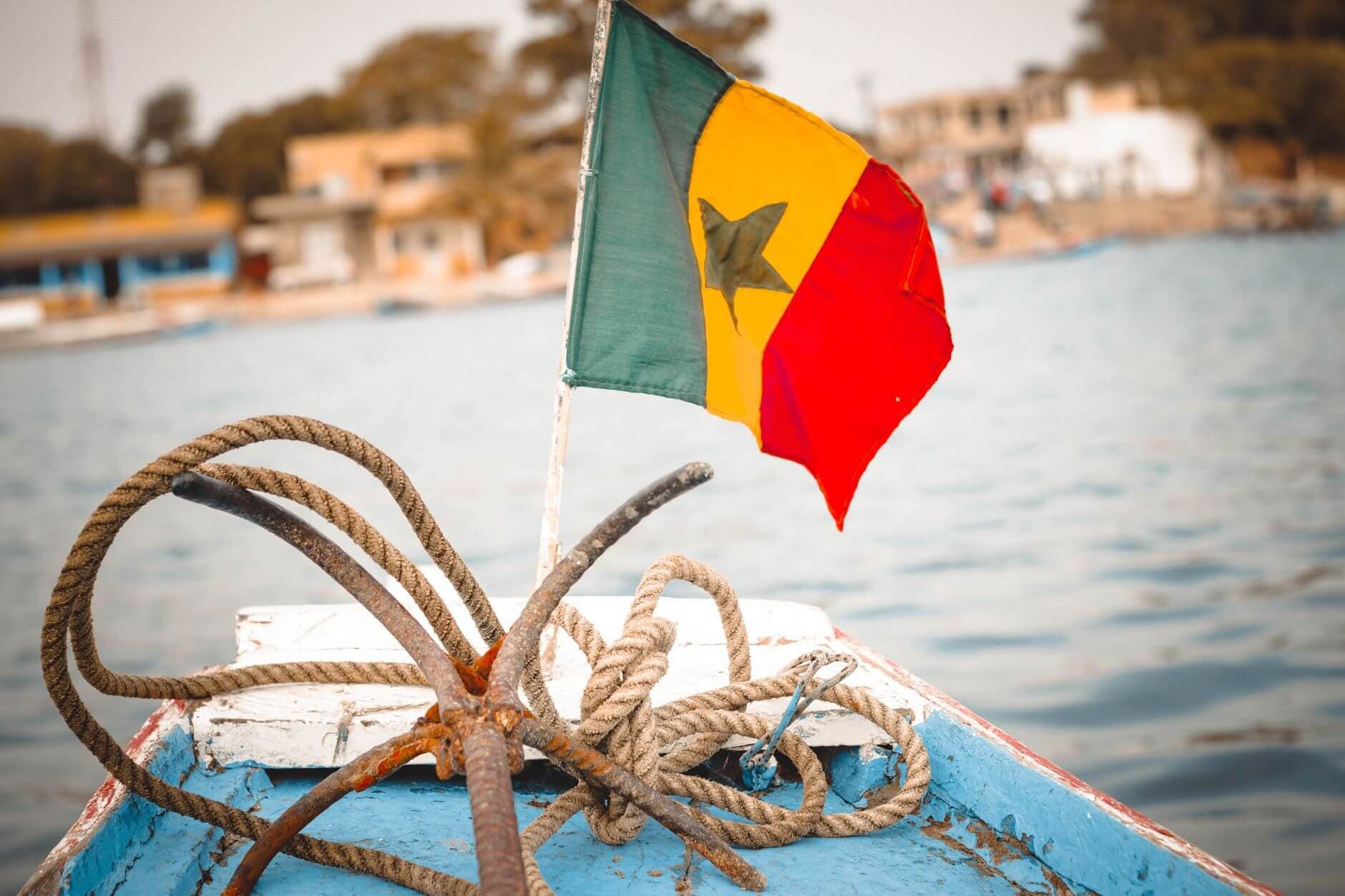
● Pirogue rides: cruising along the coast aboard one of the traditional colorful pirogues used by Senegalese fishermen is a unique and very affordable experience.
The Best Time to Visit Saly
High season in Saly runs from November to April, when the climate is dry and sunny, with pleasant temperatures ranging between 22 and 30 degrees. It's the ideal time to enjoy the beach and outdoor activities.
The rainy season runs from July to September. Although rainfall can be heavy, the landscape becomes lush and prices drop considerably. If you travel during this period, be prepared for possible disruptions and pack waterproof clothing.
Practical Tips for Traveling to Saly
● Currency: the CFA franc (XOF) is the local currency. ATMs are available in Saly, though it's advisable to carry enough cash.
● Language: French is the official language, although Wolof is the most widely spoken on the street. A few words in Wolof are always well received.
● Safety: Saly is generally a safe destination for tourists. As in any destination, keep your belongings secure and avoid displaying valuables on the beach.
● Visa: citizens of the UK, the US, and many other countries do not need a visa to enter Senegal. Always check current regulations before traveling.
● Vaccinations: yellow fever vaccination is recommended. Consult your doctor in advance about recommended health precautions.
FAQ: Frequently Asked Questions About Saly Senegal
Is Saly a suitable destination for families with children?
Yes, Saly is one of the most family-friendly destinations in Senegal. Its calm-water beaches, wide range of accommodation with facilities for children, and variety of activities make it an excellent choice for family trips.
How many days do you need to visit Saly?
With 4 or 5 days, you'll have enough time to enjoy the beaches, visit the craft market, take an excursion to the Bandia Reserve, and explore Joal-Fadiouth. If you want to combine Saly with Dakar or the Pink Lake, it's best to plan for at least a week.
What's the difference between Saly and the Petite Côte?
The Petite Côte is the name given to the entire coastal strip south of Dakar, which includes towns such as Saly, Mbour, Warang, Nianing, and Joal-Fadiouth. Saly is the best-known and most developed tourist town on this coast, but the Petite Côte as a whole has many more corners waiting to be discovered.
Can you visit Saly from Dakar in a single day?
Yes, it's possible to take a full-day excursion from Dakar to Saly, although to make the most of the destination it's much more advisable to stay at least two or three nights. At NeoGeo DMC we offer day excursions and multi-day packages tailored to every type of traveler.
Do you need to be careful with the sun in Saly?
The sun in Senegal is very intense year-round. It's recommended to use high-factor sunscreen, a hat, and sunglasses, especially during the middle of the day. Staying well hydrated is also essential.