Paris-Dakar Route: Tourism in Senegal Following the Scenarios of the Legend
Few sports events have marked the collective imagination of travelers as much as the mythical Paris-Dakar rally. For decades, images of cars and motorcycles crossing endless dunes, colorful villages, and landscapes that seemed to be from another world turned Senegal into a dream destination for millions of spectators around the world. Today, following the Paris-Dakar route as a tourist experience in Senegal is one of the most exciting adventures a traveler can have in West Africa.
In this article, we tell you how to travel through the historical scenarios of the rally, what places you can't miss, and why the surroundings of Lake Rose remain the emotional epicenter of this unique experience.
The Story Behind the Legend: the Paris-Dakar Rally and Senegal
The rally was born in 1978 from the adventurous mind of Thierry Sabine, who got lost in the Libyan desert and was so fascinated by the experience that he decided to organize a race that would connect Europe with Africa. Since its first edition, Senegal was the final destination: the finish line in Dakar became a symbol of overcoming, resistance, and adventurous spirit.
For over thirty years, pilots crossed the country from north to south, leaving an indelible mark on local communities, desert landscapes, and Atlantic coasts. Although the race was moved to South America in 2009 for security reasons, the legacy of the Dakar in Senegal remains alive and palpable for those who know where to look.
The Historical Scenarios of the Dakar in Senegal: an Exciting Tourist Route
Following the Paris-Dakar route as tourism in Senegal involves venturing into extraordinarily diverse landscapes: from the arid Sahel in the north to the Atlantic coasts in the south, passing through savannas, dunes, and villages of legendary hospitality. These are the essential enclaves:
The Lompoul Desert: Movie Dunes
In northern Senegal, the Lompoul Desert is the country's only dune desert and one of the most photogenic scenarios of the old route. Its golden ocher sands, which reach considerable heights, directly evoke the television images of the rally. Today, it is possible to cross them by quad, camel, or simply on foot at dawn, when the light transforms the dunes into something almost unreal. Many local operators offer nights in camps under the stars, an experience that directly connects with the spirit of the Dakar.
Saint-Louis: the Gate of the Sahel
This colonial city, declared a UNESCO World Heritage Site, was for years a strategic point of the rally. Its French-influenced architecture, its bridges over the Senegal River, and the bustle of its market make it a culturally essential stop. From Saint-Louis, you can also easily access the Djoudj National Park, one of the most important bird sanctuaries in the world, ideal for combining adventure with nature.
The Petite Côte and the Surroundings of Dakar
As the route advances south and the Atlantic coast, the landscape changes radically. The white sand beaches of the Petite Côte, the centenary baobabs, and the fishing villages offer a human and natural dimension that complements the adrenaline of the desert. The last kilometers of the historical route ran through the Cape Verde peninsula, where Dakar is located, a vibrant and energetic city that deserves several days of exploration.
Lake Rose: the Epic End of the Legend
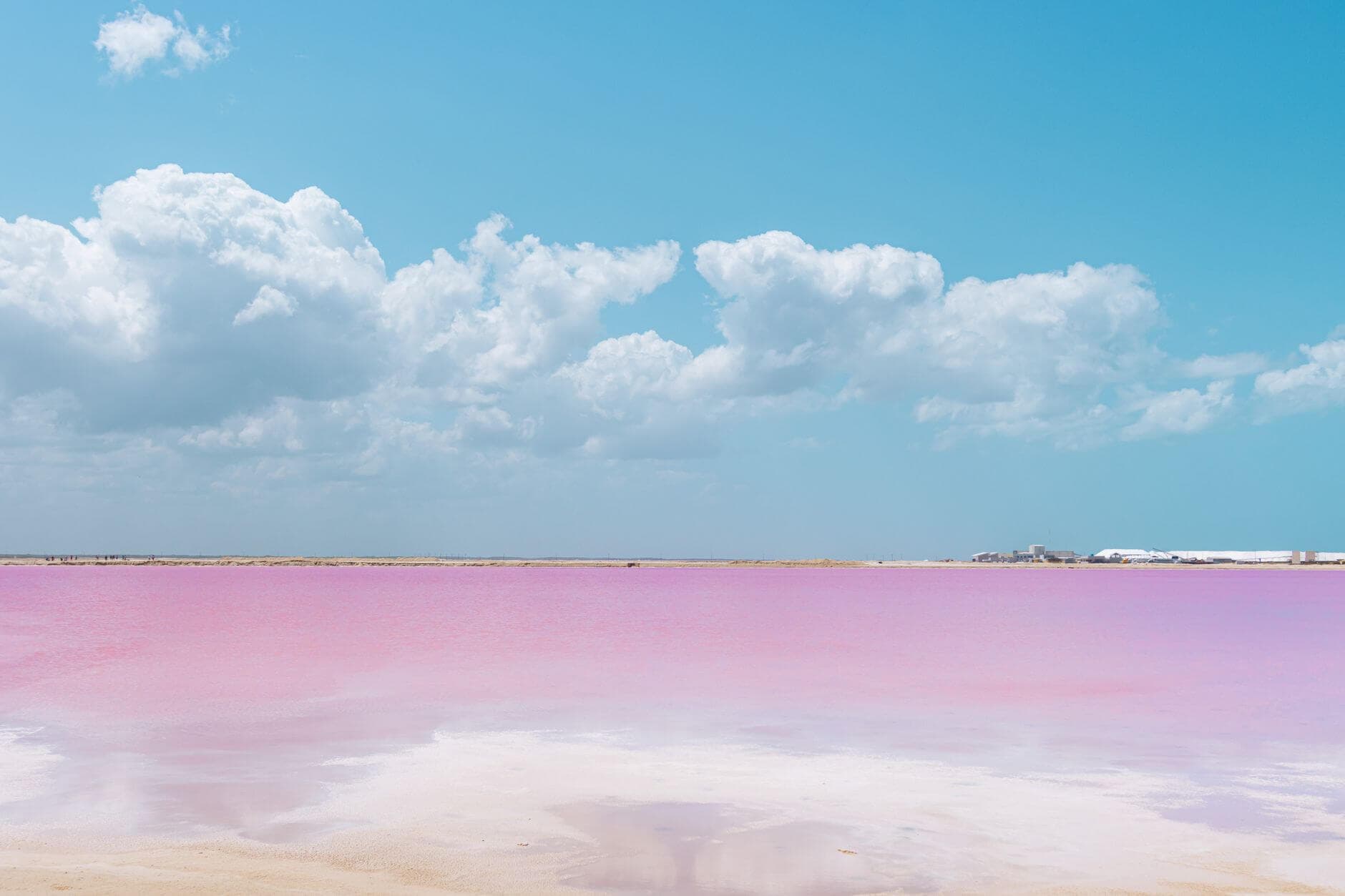
Lake Rose owes its characteristic color to the high concentration of salt and the presence of a microalgae, Dunaliella salina, which produces pink and red pigments especially intense in the dry season, between November and June. The result is a unique natural spectacle that no photograph can fully capture.
What to Do at Lake Rose
- Observe the salt extraction: local collectors work in the lake's waters covering themselves with shea butter to protect their skin from the salt. It is an ancestral activity that turns the visit into an authentic cultural experience.
- Photograph the lake at sunrise or sunset: the low light intensifies the pink and purple tones of the water, creating breathtakingly beautiful scenes.
- Explore the surroundings in 4x4 or quad: the sandy tracks that surround the lake directly evoke the atmosphere of the rally and allow exploring the surroundings in an active way.
- Visit the nearby villages: the local community maintains living traditions, and the artisanal markets offer unique products such as the pink salt of the lake, highly appreciated in gastronomy.
At NeoGeo DMC, we organize excursions to Lake Rose adapted to all types of travelers, from families to adventure groups, combining the visit to the lake with the historical scenarios of the Dakar in an itinerary designed so you don't miss any detail of this living legend.
How to Plan Your Paris-Dakar Tourist Route in Senegal
Organizing this type of trip requires more than just booking a flight. The Paris-Dakar route as a tourist experience in Senegal is much more enjoyable with a local guide who knows the history of the rally, the secondary roads, and the communities that lived the race up close. Here are some practical tips:
The Best Time to Travel
The dry season, between November and April, is the most recommended. The tracks are in better condition, the heat is more bearable, and Lake Rose shows its most intense colors. Avoid the rainy season (July-September) if your goal is to travel through sandy terrain or visit the north of the country.
Transportation and Logistics
To follow the Dakar scenarios, it is essential to have 4x4 vehicles. Many of the tracks that the pilots traveled are not paved and require experience in off-road driving or, even better, a local expert driver. International flights arrive at Dakar's Blaise Diagne International Airport, with good connections from Europe.
How Many Days You Need
A complete route that includes Saint-Louis, the Lompoul Desert, the Petite Côte, and Lake Rose requires a minimum of seven to ten days to enjoy it without haste. If time is limited, a four or five-day itinerary focused on Dakar and Lake Rose already offers a very complete experience.
Cultural Respect and Responsible Tourism
Senegal is a country of extraordinary hospitality, and the Senegalese have a very special memory of the rally. Traveling with respect, interacting with local communities, and hiring local guide and transportation services is the best way for tourism to directly benefit those who lived the history of the Dakar from within.
Why Choose NeoGeo DMC for Your Dakar Route in Senegal
As a DMC specialized in Senegal and Gambia, at NeoGeo DMC we know every corner of the historical scenarios of the rally. We design personalized itineraries that combine adventure, culture, and nature, with local guides passionate about their land and vehicles prepared for any terrain. If you dream of reaching Lake Rose feeling the spirit of the Dakar in every kilometer, we are here to make it a reality.
FAQ: Frequently Asked Questions about the Paris-Dakar Tourist Route in Senegal
Can Lake Rose be Visited Throughout the Year?
Yes, Lake Rose can be visited throughout the year, but the most spectacular colors are seen in the dry season, especially between November and June, when the salt concentration is higher and the pink is more intense.
Is it Safe to Travel Through the Dakar Routes in Senegal?
Senegal is one of the most stable countries in West Africa and is considered a safe destination for tourism. As with any trip, it is recommended to travel with a trusted local operator, respect the guides' indications, and stay informed about the conditions of the tracks, especially in remote areas of the north.
Is Off-Road Driving Experience Necessary to Follow the Route?
Not necessarily. If you hire a tour with NeoGeo DMC, our expert drivers take care of all the logistics. If you prefer to drive yourself, it is recommended to have previous experience with 4x4 vehicles in sandy terrain.
What Other Attractions Does Senegal Have Beyond the Dakar Scenarios?
Senegal offers extraordinary richness: the Island of Gorée (World Heritage), the Saloum delta, the Niokolo-Koba National Park, the vibrant musical and gastronomic scene of Dakar, and the beaches of the Petite Côte, among many other attractions.
When Did the Rally Arrival at Lake Rose Take Place?
The Paris-Dakar rally used Lake Rose as the finish line in several of its historical editions during the 1990s and 2000s. The race was held in its original format between 1979 and 2007, when it was suspended for security reasons, and since 2009 it has been held in South America under the name Dakar Rally.