Gorée Island: what to see in one of the most emotional places in Africa
Just twenty minutes by ferry from Dakar, Gorée Island is one of those destinations that marks forever those who visit it. Declared a UNESCO World Heritage Site in 1978, this small Senegalese island combines a deep and painful history with unique colonial architectural beauty, red earth streets, and an atmosphere that invites reflection. If you wonder what to see on Gorée Island, the answer is clear: everything deserves your attention, from its historic buildings to the meaningful silence that is breathed in every corner.
A bit of history before arriving
To understand what to see on Gorée Island and why each place matters, it is essential to know its history. Gorée was one of the main centers of the slave trade in the Atlantic between the 15th and 19th centuries. The Portuguese, Dutch, English, and French succeeded each other in its control, leaving a mixed architectural footprint that today coexists with the memory of the suffering of millions of African people who passed through here before being deported to America.
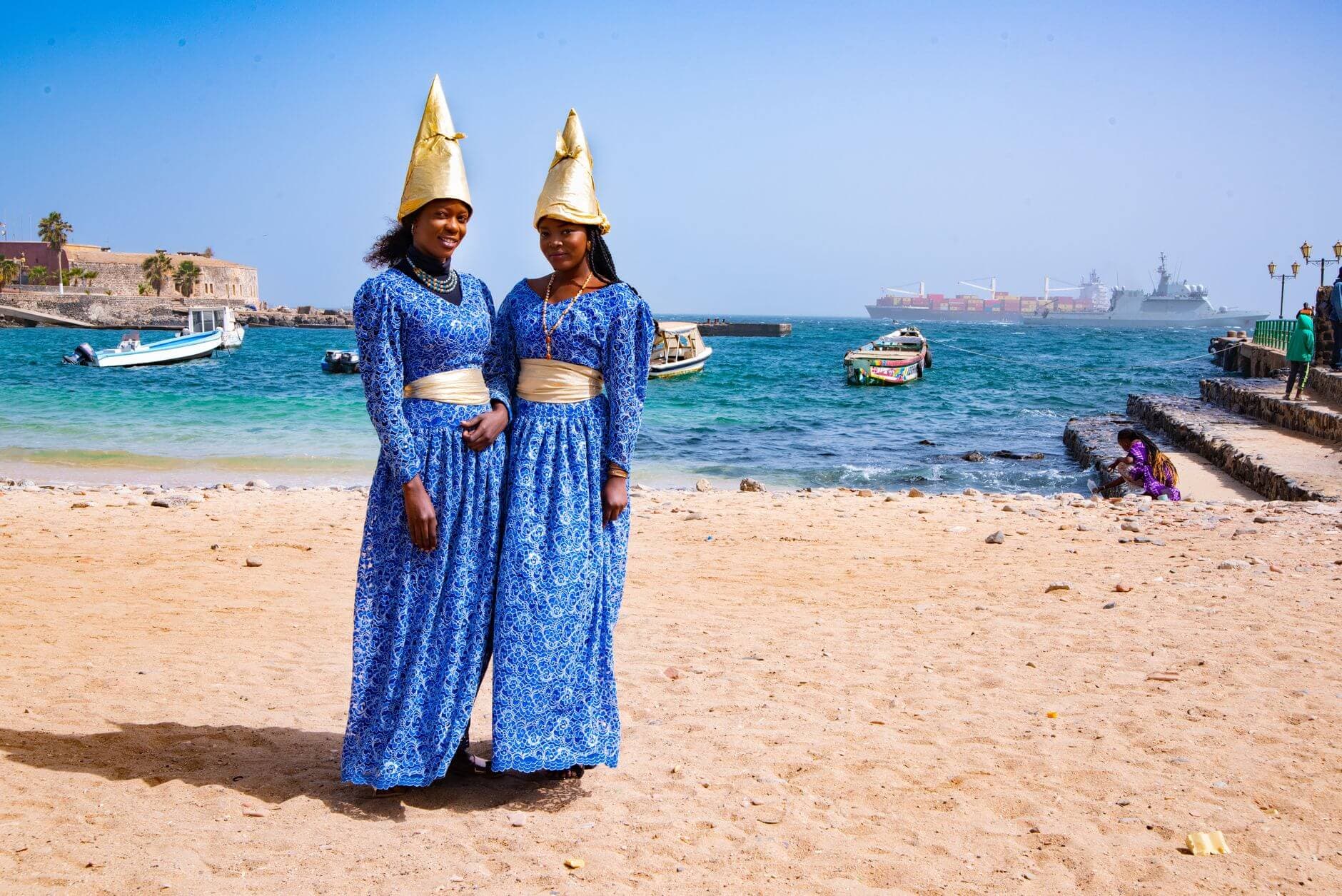
Today, the island does not have motorized vehicles, making it a quiet and almost unreal place for a stroll. Its 45 hectares can be covered on foot in a few hours, but the emotional experience can last a lifetime.
What to see on Gorée Island: the essential places
The House of Slaves (Maison des Esclaves)
Without a doubt, the most visited and emotionally intense place on the island. The House of Slaves is an 18th-century building that served as a place of retention for enslaved people before their forced embarkation to America. Its iconic Door of No Return, which opens directly onto the Atlantic Ocean, is one of the most powerful symbols of African history and the memory of the diaspora.
The museum that houses the building offers a permanent exhibition with objects, chains, shackles, and historical documents that explain the operation of the slave trade. Guided tours are highly recommended to correctly contextualize what you are seeing.
The Castle of San Francisco (Fort d'Estrées)
Originally built by the Portuguese and expanded by the Dutch and French, this military fort today houses the Historical Museum of Gorée Island. Its collections cover the history of the island from prehistory to the independence of Senegal, with special attention to the colonial periods and the cultural diversity of West Africa.
The views from its walls over the ocean and over the roofs of the island are spectacular and offer a perfect perspective for memorable photographs.
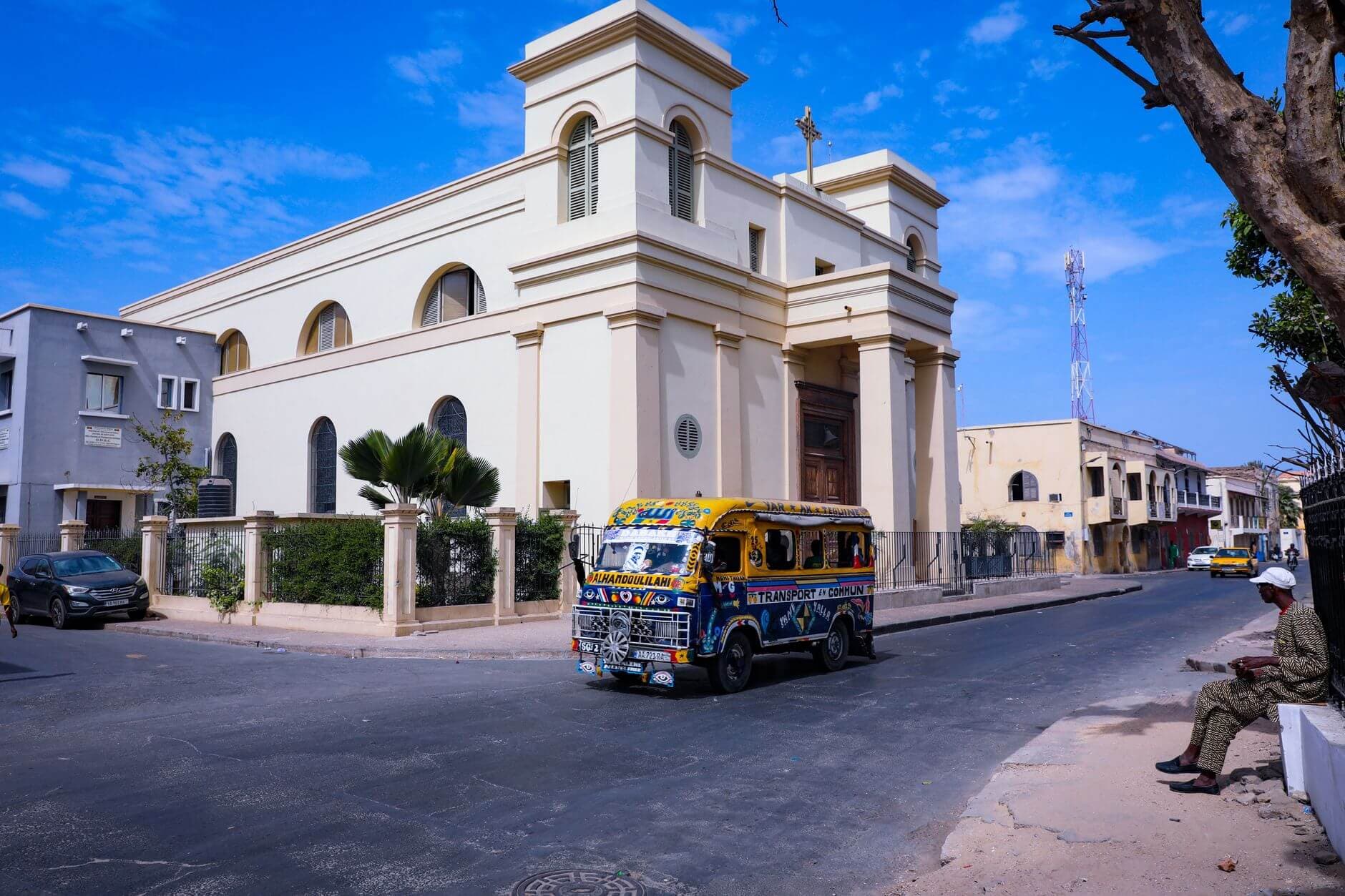
The Church of Saint-Charles Borromée
The streets and colonial architecture
Many of these houses belonged to the so-called signares, African and mixed-race women who accumulated economic and social power during the 18th and 19th centuries thanks to trade and their relationships with European merchants. Their story is fascinating and adds another layer of complexity to the island's narrative.
The market and artisan workshops
The island has a small but lively artisan market where local artists exhibit and sell paintings, sculptures, textiles, and jewelry. It is the ideal place to take an authentic souvenir and directly support local creators. The atmosphere is relaxed, and the artisans themselves often explain their works with pride.
How to get to Gorée Island
Access to Gorée Island is exclusively by ferry from the port of Dakar. The crossing takes approximately 20-25 minutes, and boats operate regularly throughout the day. It is recommended to arrive with time to spare, especially during peak season, as demand can be high. From NeoGeo DMC, we can manage transfers and organize a complete visit to the island with a specialized local guide, so you don't miss any detail of this unique place.
Practical tips for visiting Gorée
- Best time to visit: The island can be visited all year round, although the months from November to April offer the most pleasant weather, with mild temperatures and scarce rainfall.
- Recommended duration: With half a day (about 3-4 hours), you can visit the main points of interest, including the House of Slaves, the fort, and the colonial streets. If you prefer a more leisurely pace and want to visit the artisan market calmly, reserve a full day.
- Comfortable footwear: The streets are made of earth and irregular cobblestones; comfortable footwear is essential.
- Water and sun protection: The island has few shaded areas in summer. Bring water and sunscreen.
- Respect and silence: Remember that you are in a place of historical memory. Maintain a respectful attitude, especially in the House of Slaves.
- Photography: You can freely photograph the architecture and landscapes, but always ask for permission before photographing people.
Gorée within a Senegal itinerary
A visit to Gorée Island combines perfectly with a stay in Dakar and can be easily integrated into a broader itinerary through Senegal. From the Senegalese capital, you can continue to Lake Rose, the Saloum delta, Casamance, or even cross into Gambia to expand your West African tourism experience.
In NeoGeo DMC, we design customized itineraries that include a visit to Gorée along with the best destinations in Senegal and Gambia. If you want to experience this in an organized, safe, and culturally contextualized way, check our tours in Senegal and let us help you plan a trip you will never forget.
Why Gorée Island is much more than a tourist destination
Gorée is not just a beautiful place to photograph. It is a space of collective memory, a symbol of resistance, and of human capacity to face the past with honesty. World leaders, artists, writers, and millions of travelers have crossed the Atlantic in the opposite direction to set foot on this land and pay homage to those who could not return.
Visiting Gorée Island is an act of awareness as much as tourism. And that combination, rare and powerful, is what makes it one of the most important destinations in the entire African continent.
Frequently asked questions about Gorée Island
How much time is needed to visit Gorée Island?
With half a day (about 3-4 hours), you can visit the main points of interest, including the House of Slaves, the fort, and the colonial streets. If you prefer a more leisurely pace and want to visit the artisan market calmly, reserve a full day.
Is it necessary to hire a guided tour on Gorée?
It is not mandatory, but highly recommended. A specialized local guide will provide you with the necessary historical context to understand the depth of what you are seeing, especially in the House of Slaves. NeoGeo DMC can organize visits with certified guides in Spanish.
How to get to Gorée Island from Dakar?
The only access is by ferry from the port of Dakar. The crossing takes between 20 and 25 minutes, and boats operate throughout the day. It is advisable to arrive with sufficient time to purchase the ticket, especially during peak season.
Are there restaurants on Gorée Island?
Yes, the island has several restaurants and small bars where you can taste typical Senegalese dishes such as thiéboudienne (rice with fish) or yassa. The gastronomic offer is modest but authentic and of quality.
Is Gorée Island suitable for visiting with children?
Yes, although the visit to the House of Slaves requires prior preparation for the youngest, as the historical contents are harsh. It is a valuable educational opportunity if approached with the right sensitivity. The rest of the island, with its quiet streets and colorful atmosphere, is perfectly suitable for families.