Birdwatching in Senegal from Spain: the definitive guide to ornithological tourism
Senegal is one of the most fascinating birdwatching destinations on the planet, and for Spanish travelers it represents a privileged option: direct flights from Madrid or Barcelona, no significant jet lag and avian biodiversity that far exceeds that of many European destinations. If you are a bird watching enthusiast or an experienced ornithologist, this article will give you everything you need to plan your ornithological tourism trip to Senegal from Spain.
Why is Senegal a birdwatching paradise?
Senegal is home to more than 670 registered bird species, an extraordinary figure for a country of relatively modest size. Its geographical position, at the western tip of Africa, makes it a first-rate migratory crossroads: millions of European birds—including many that breed in Spain—winter here between October and March. Added to this is an enormous variety of habitats, from coastal mangroves to Sahel-Sudanese savannas, which harbor both resident Afrotropical species and seasonal visitors.
For the Spanish traveler, cultural proximity and relative logistical ease make Senegal a very attractive alternative to more distant ornithological destinations such as Kenya or India. Direct air connections from Madrid allow you to reach Dakar in less than six hours.
Best areas for bird watching in Senegal
Knowing the key areas is essential to maximize the number of species observed. These are the most outstanding areas for birdwatching in Senegal:
1. Djoudj National Park (UNESCO World Heritage Site)
Located in the Senegal River delta, Djoudj is one of the three most important ornithological parks in the world according to UNESCO. Every year it hosts millions of migratory birds from Europe and Central Asia. Here it is possible to observe colonies of white pelicans, cormorants, spoonbills and dozens of species of waders and ducks. Boat excursions through its channels are an unforgettable experience and one of the most photographed moments of birdwatching in West Africa.
At NeoGeo DMC we include Djoudj in our Pearls of Senegal tour, a group circuit with guaranteed departures that covers the great icons of the country, including this world-class ornithological reserve.
👉 Discover the Pearls of Senegal tour with visit to Djoudj
2. Saloum Delta Biosphere Reserve (UNESCO World Heritage Site)
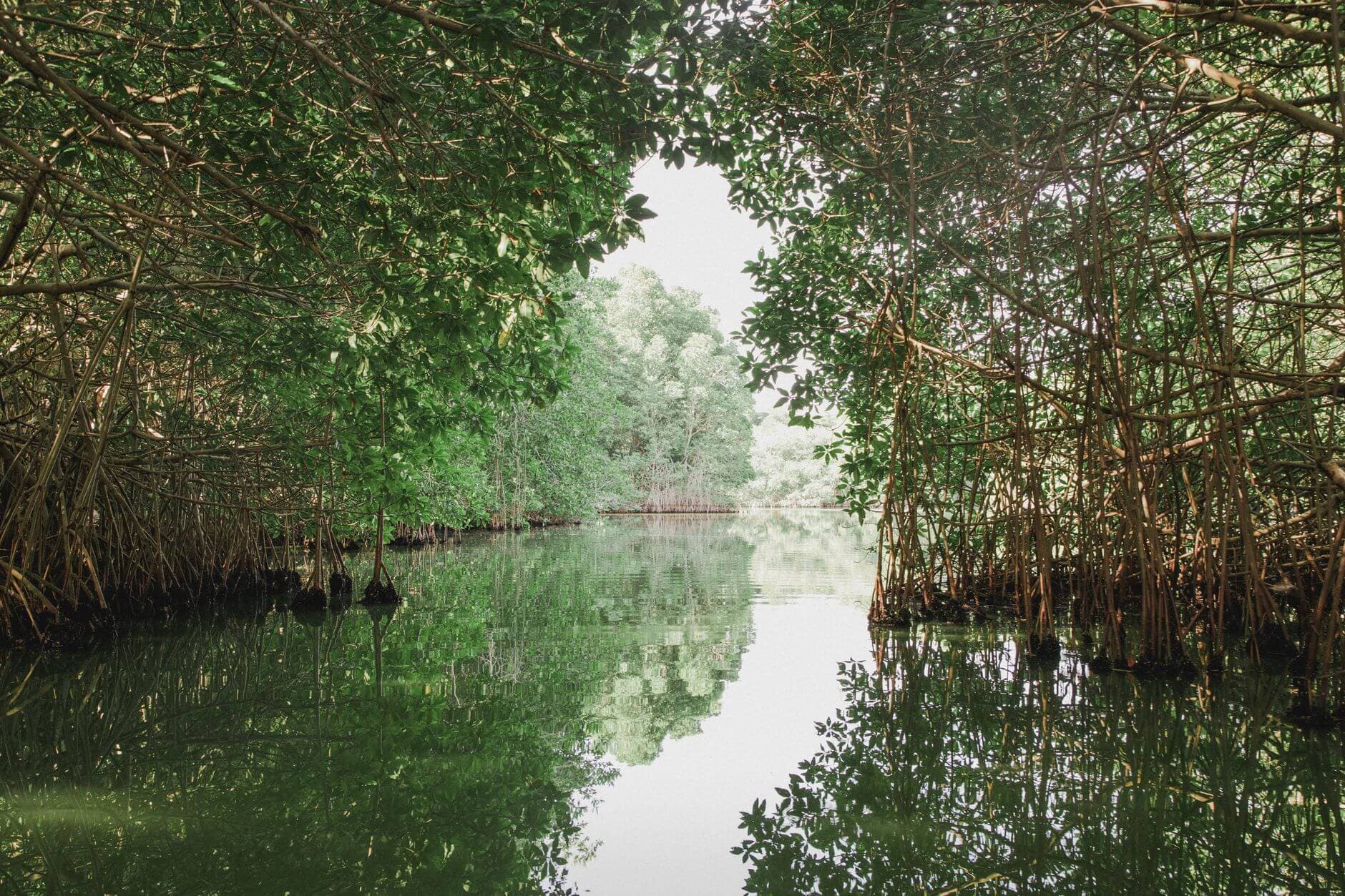
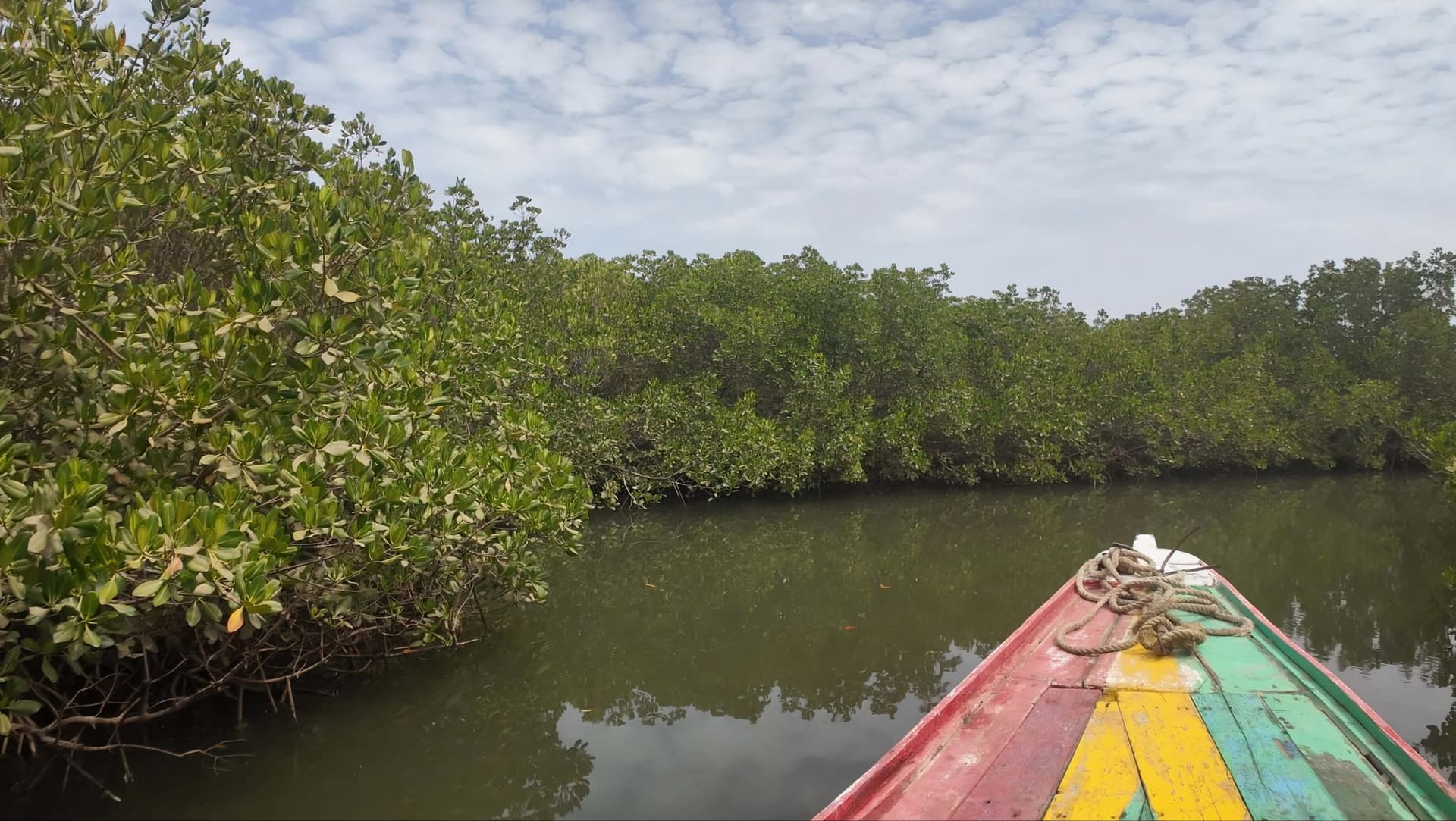
This network of mangroves, marshes, islands and gallery forests in the center-west of the country is perfect for spotting coastal and forest birds. Species such as the giant kingfisher, the long-tailed shrike and a multitude of herons and ardeids make this place a must for any ornithological itinerary. Navigation between the islands of the archipelago allows access to observation areas inaccessible by land.
At NeoGeo DMC we organize excursions to the Sine Saloum islands that combine navigation in traditional canoe, bird watching in the mangroves and contact with local communities. It is one of the most complete experiences for the birder visiting Senegal for the first time.
👉 Discover our excursion to the Sine Saloum Islands
3. Casamance: the green south of Senegal
The Casamance region, in the south of the country, has the densest and most humid forests in Senegal. It is the ideal habitat for Afrotropical forest species difficult to find in other parts of the country: turacos, African hoopoes, weavers and a wide variety of raptors. The combination of birdwatching and local culture—the region has a very marked identity—makes Casamance a very complete experience.
4. Langue de Barbarie and Atlantic coast
This narrow coastal strip near Saint-Louis is a hotspot for waders, larids and gulls. During the post-breeding migration, concentrations of terns, curlews and sandpipers are spectacular. Proximity to Djoudj National Park allows you to combine both visits on the same trip.
5. Niokolo-Koba: savanna and extreme biodiversity
Senegal's largest national park, declared a World Heritage Site, offers Sudanese savanna with exceptional ornithological richness. Raptors such as the martial eagle, Abdim's storks, bee-eaters and numerous species of hornbills and weavers make Niokolo-Koba an essential destination for advanced ornithologists.
Outstanding birds to see in Senegal
One of the great motivations for ornithological tourism in Senegal is the possibility of seeing species that you could never observe in Europe. Some of the most sought after by Spanish birders are:
Pink-backed Pelican (Pelecanus rufescens): frequent in Djoudj and the Saloum Delta.
African Jabiru (Ephippiorhynchus senegalensis): one of the most imposing storks on the continent.
Senegal Turaco (Tauraco persa): forest jewel of Casamance.
African Pygmy Kingfisher (Ispidina picta): tiny and explosively colored.
African Marabou (Leptoptilos crumenifer): unmistakable, common in wet areas.
Masked Weaver and dozens of other weaver species (Ploceus spp.).
African Hoopoe (Upupa africana): more striking than its European cousin.
Cape Gannet: visible on the Atlantic coast during boreal winter.
Additionally, for Spanish birders there is a special incentive: reuniting in Senegal with species that breed in the Iberian Peninsula and winter here, such as the white stork, swallow, barn swallow, red-backed shrike or common reed warbler.
Best time for birdwatching in Senegal
The best time for bird watching is the dry season, which extends approximately from November to April. During these months:
Migratory birds from Europe and the Palearctic are present in large numbers.
Vegetation is less dense, which facilitates observation.
Temperatures are milder and more pleasant for the traveler.
Water levels in areas such as Djoudj are optimal for the concentration of aquatic birds.
December, January and February are considered the peak of the ornithological season, when migratory species coincide with African resident species at their greatest splendor.
The rainy season (June-October) also has its appeal: many resident species breed at this time, forests are at their peak and tourist traffic is much lower, allowing for a more intimate experience. If you travel in these months, consult with our team to adapt the itinerary.
How to organize your birdwatching trip to Senegal from Spain
Flights and access
From Spain there are direct connections to Dakar (Blaise Diagne International Airport). The flight duration from Madrid is approximately 5-6 hours, making Senegal one of the most accessible African destinations for Spanish travelers.
Documentation and health
Spanish citizens do not need a visa to enter Senegal (stay up to 90 days). It is recommended to consult with a specialist in tropical medicine before the trip to assess antimalarial prophylaxis and other recommended vaccines.
Essential equipment for the birder
Quality binoculars (8x42 or 10x42 are the most versatile).
Spotting scope and tripod for waders and aquatic birds.
Field guide: Birds of Senegal and The Gambia by Barlow, Wacher and Disley is the standard reference.
Mobile applications such as eBird, Merlin or BirdNET for identification and recording.
Neutral colored clothing (beige, olive green, brown) and wide-brimmed hat.
Sunscreen, insect repellent and reusable water bottle.
Specialized tours and excursions
To get the most out of your trip, having a local ornithological guide makes all the difference. Local guides know the best observation points, the activity schedules of the most elusive species and the paths that don't appear on any map.
At NeoGeo DMC we design custom ornithological tourism itineraries for groups and individual travelers, combining the main bird watching areas with comfortable accommodations and safe transfers. Two especially recommended options:
Pearls of Senegal Tour (group circuit with guaranteed departures): includes visit to Djoudj National Park, ideal for those who want to tour the great ornithological icons of the country in a single trip. 👉 See the Pearls of Senegal tour
Excursion to the Sine Saloum Islands (day excursion): perfect for combining birdwatching in mangroves with navigation and local culture. 👉 See the Sine Saloum excursion
Practical tips for birdwatching in Senegal
Always wake up early: the first hours of the day are the most productive. Birds are most active between sunrise and 10 in the morning.
Respect habitats: do not stray from marked trails in national parks and maintain a safe distance from nests.
Record your sightings on eBird: you contribute to citizen science and have a permanent record of your observations.
Combine birding with local culture: Senegal has enormous cultural wealth. Take the opportunity to visit markets, local communities and taste Senegalese cuisine.
Contract local services: local guides, transporters and accommodations benefit directly from responsible ornithological tourism.
Frequently asked questions about birdwatching in Senegal from Spain
How many bird species can be seen in Senegal?
Senegal has more than 670 registered species, making it one of the countries with the highest avian diversity in West Africa. The number of species you can observe on a trip will depend on the areas visited, the time of year and the time spent observing.
What is the best time to go birdwatching in Senegal?
The dry season, between November and April, is the most recommended. The months of December, January and February are considered the peak of the ornithological season, when Palearctic migratory birds coincide with African resident species.
Is it necessary to hire a local guide for birdwatching in Senegal?
It is not mandatory, but highly recommended. A local ornithological guide knows the exact observation points, the most difficult species to locate and the best times of day for each one. Additionally, you contribute directly to the local economy.
Which area is best for birdwatching in Senegal?
It depends on what you are looking for. Djoudj National Park is essential for aquatic and migratory birds. The Saloum Delta is ideal for combining bird watching in mangroves with navigation and local culture. Casamance is the best option for Afrotropical forest species. The ideal is to combine two or more areas in the same itinerary.
Can I combine birdwatching with other activities in Senegal?
Absolutely. Senegal offers a perfect combination of nature, culture, gastronomy and beaches. Many travelers combine ornithological tourism with visits to Gorée Island, Dakar markets, local gastronomy or excursions to Lake Rosa. It is a destination that satisfies all traveler profiles.
Is the Saloum Delta suitable for beginner birders?
Yes. The excursion to the Sine Saloum Islands is accessible for any level, from curious enthusiasts to experienced ornithologists. Navigation in canoe through the mangroves allows you to observe birds from very close without needing to walk long distances, making it a perfect option also for families or travelers with reduced mobility.