Photos of the Pink Lake: Tips to Capture its Unique Color
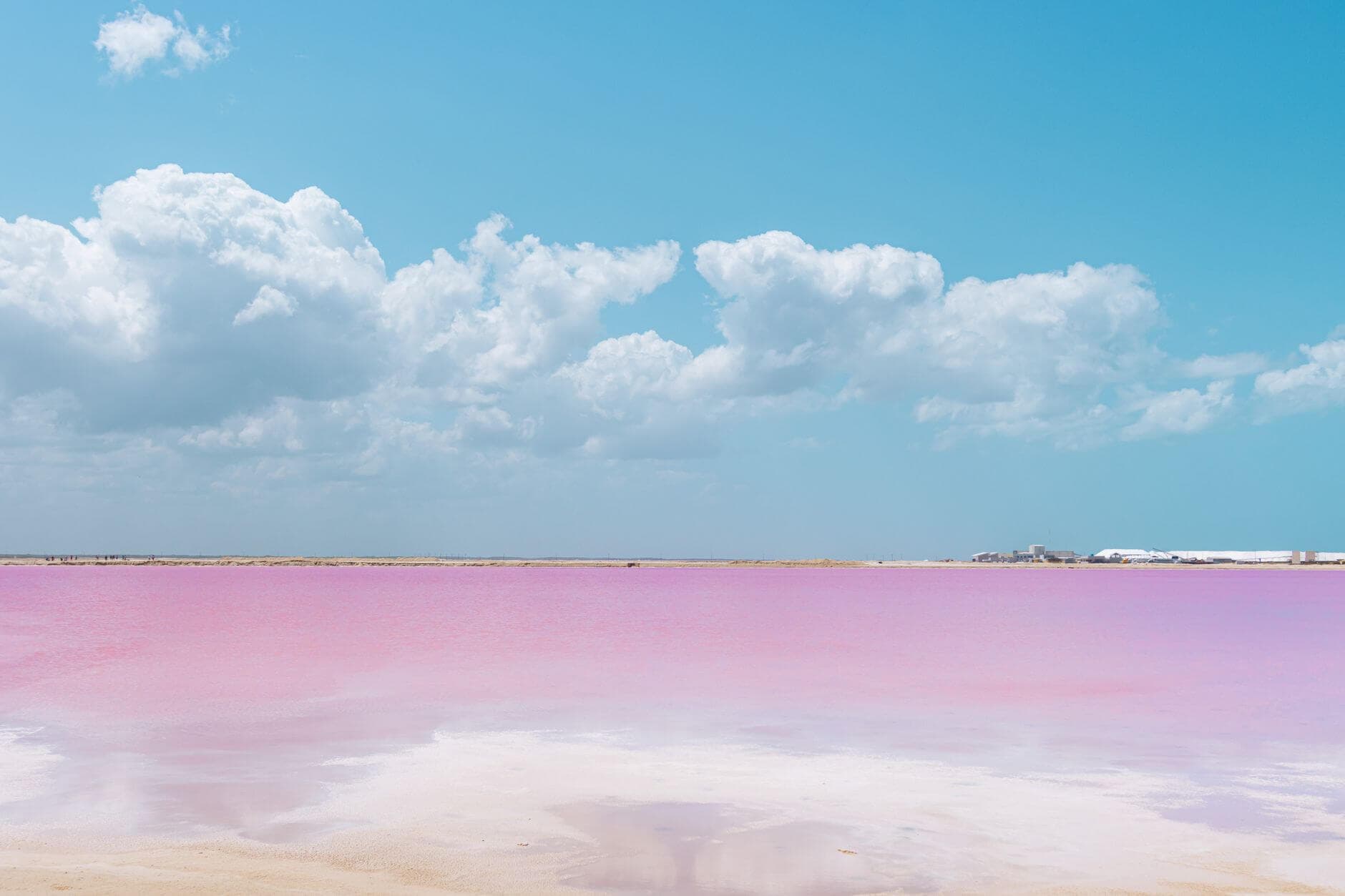
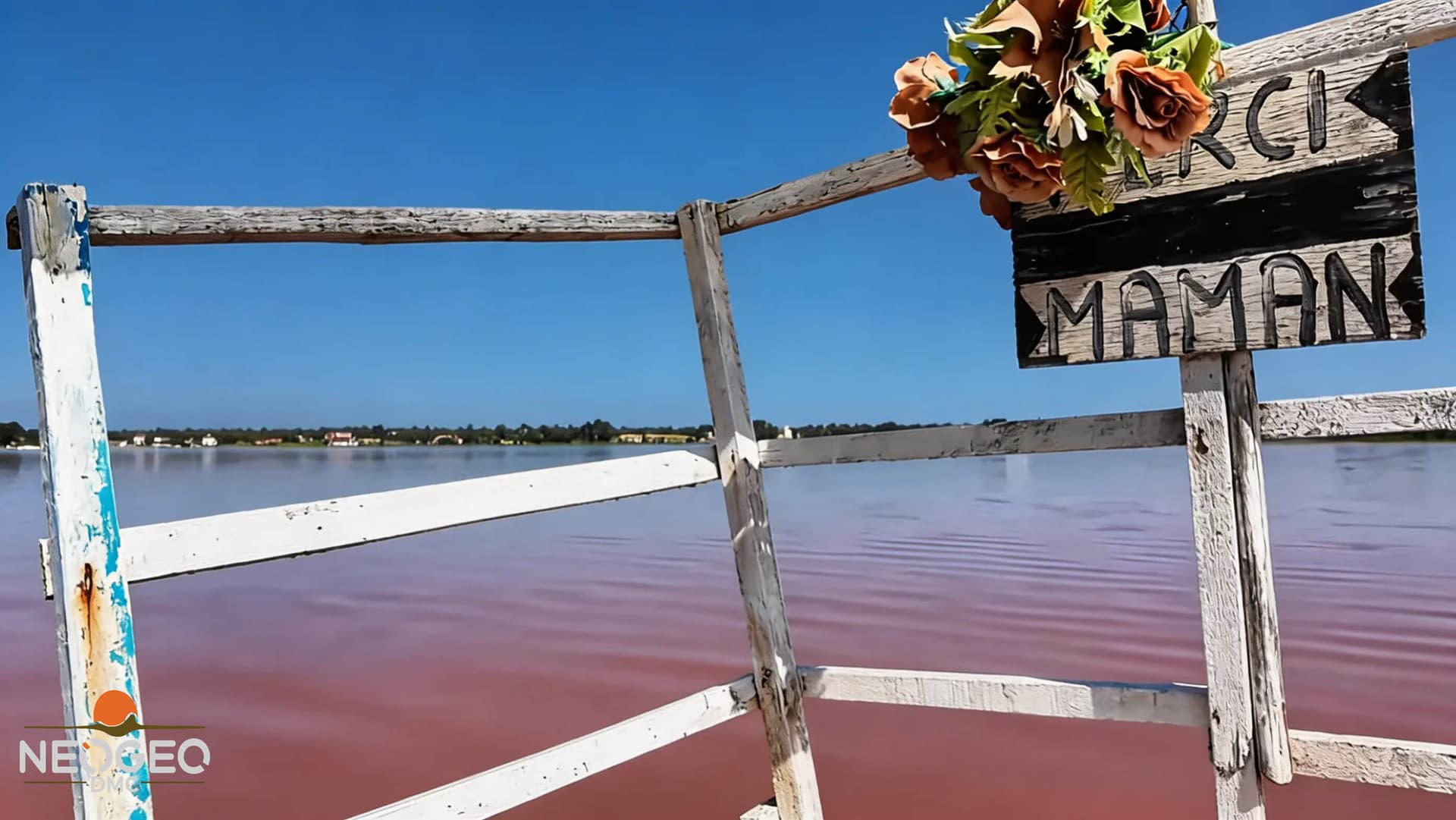
The Pink Lake of Senegal, officially known as Lake Retba, is one of the most photogenic landscapes in the African continent. Its characteristic pink color —result of the high concentration of salt and the bacteria Dunaliella salina— makes every visit an opportunity to obtain spectacular images. However, photographing this natural phenomenon correctly requires knowing some essential tricks. In this article, you will find the best tips for photos of the Pink Lake, from the ideal time to the most recommended camera settings.
Why is the Pink Lake so special for photography?
Lake Retba, located a few kilometers north of Dakar, offers a palette of colors that changes throughout the day. The pink tone can vary from a soft salmon to an intense fuchsia depending on the sunlight, the time of year, and the angle from which it is observed. Additionally, the activity of the salt collectors —with their colorful canoes and bodies covered in shea butter— adds a human and cultural dimension that enriches any photographic composition.
Photographing the Pink Lake is not just about pointing and shooting: it's about understanding the light, the environment, and the moment. With proper preparation, you can take home images that truly do justice to this extraordinary corner of West Africa.
The ideal time of day to photograph the Pink Lake
The choice of time of day is, without a doubt, the most determining factor for getting the best photos of the Pink Lake. The intensity of the pink color depends directly on how the sunlight hits the water.
The golden hour of the morning
The first hours after sunrise offer a warm and soft light that enhances the pink and golden tones of the lake. The atmosphere is more peaceful, there are fewer tourists, and the morning mist can add a very attractive ethereal effect. It's the perfect time for panoramic photos and portraits of the salt workers starting their day.
The central hours of the day
Between 10:00 and 14:00, when the sun is at its highest point, the lake's color reaches its maximum intensity. The direct and powerful light saturates the pink pigment and makes the water shine strongly. If you're looking for the most vivid and saturated pink in your photos, this is your time. However, the harsh shadows can be a challenge: compensate with a bit of extra exposure or use your camera's HDR mode.
The golden hour of the sunset
The sunset combines the orange and reddish tones of the setting sun with the lake's natural pink, creating absolutely unique warm color compositions. The light is softer than at noon, which softens the shadows and gives the images a more cinematic look. It's the favorite time of many professional photographers who visit Lake Retba.
Recommended angles and compositions
Composition is just as important as light. These are the angles that yield the best results at the Pink Lake:
- Elevated perspective: If you have the opportunity to photograph from a dune or an elevated area nearby, you'll get a panoramic view that shows the lake's extension and contrasts the pink water with the white salt and the blue sky.
- Water level: Crouching or even kneeling to photograph almost at ground level creates dramatic perspectives and makes the lake seem immense. Ideal for capturing the reflection of the sky on the surface.
- Including human elements: The colorful wooden canoes, the salt collectors carrying their baskets, and the white salt mountains on the shores are elements that add scale, context, and narrative to your images.
- The rule of thirds: Place the horizon on the upper or lower third of the frame, never in the center, to create more dynamic and visually appealing compositions.
- Reflections in the water: On days with little wind, the lake's surface acts as a mirror. Look for symmetry between the sky and its reflection for minimalist and elegant compositions.
Camera settings to capture the pink color
The Pink Lake's color can be treacherous for cameras' automatic systems. These settings will help you reproduce it faithfully:
White balance
The automatic white balance adjustment can neutralize the pink color, interpreting it as a dominant color that needs to be corrected. Try setting the white balance manually to «Daylight» or even «Cloudy» to add warmth and enhance the pink and orange tones.
Exposure and compensation
The high reflectivity of the white salt can deceive the camera's meter and cause underexposure. Apply an exposure compensation of +0.3 to +1 EV to avoid the lake appearing dark. In RAW format, you'll have much more room to adjust the exposure in post-production.
Shoot in RAW
If your camera allows it, always photograph in RAW format. This format conserves all the color information captured by the sensor, giving you enormous flexibility to adjust the color temperature, saturation, and contrast in programs like Lightroom or Capture One without losing quality.
Saturation and vibrance in editing
Once in post-production, work on the red and pink channel selectively. Slightly increase the saturation of the red channel and the magenta tone to intensify the water's color. The Vibrance slider (in Lightroom) is especially useful because it saturates the less saturated colors without affecting those that are already intense, like human skin.
Polarizing filter
If you use a reflex or mirrorless camera with interchangeable lenses, a circular polarizing filter (CPL) is your best ally. It reduces unwanted reflections on the water's surface, increases color saturation, and makes the blue sky contrast more strongly with the lake's pink.
Recommended equipment for photographing the Pink Lake
You don't need professional equipment to get good images, but some accessories make a difference:
- Wide-angle lens (16-35 mm): Perfect for panoramic shots that capture the lake's extension.
- Telephoto lens (70-200 mm): Ideal for photographing the salt workers from a respectful distance.
- Light tripod: Essential for dawn, dusk, and long exposure shots.
- Drone (with permits): Aerial views of the Pink Lake are absolutely impressive. Make sure you have the necessary permits before flying.
- Protective bag: The salt and dust in the environment are aggressive to photographic equipment. Protect your camera and lenses at all times.
Additional practical tips
Beyond the technical aspects, there are some practical recommendations that will improve your photographic experience at the Pink Lake:
- Ask for permission before photographing people: The salt workers are the soul of the place. It's always recommended to greet them, show respect, and ask for permission before taking their picture. A small tip is a very appreciated gesture.
- Arrive early: Tourist groups usually arrive around mid-morning. If you arrive at sunrise, you'll have the lake almost to yourself.
- Protect your equipment from salt: The salty environment can damage the electrical contacts and mechanics of your camera. Clean the equipment with a soft cloth after the session.
- Wear comfortable clothing and sun protection: The sun in this area can be very intense. A hat, sunglasses, and sunscreen are essential.
If you want to experience this photographic adventure in the best way possible, at NeoGeo DMC we organize excursions to the Pink Lake from Dakar with local expert guides who know the best viewpoints and optimal times for photography. Check our excursions to the Pink Lake and book your photographic adventure today.
Frequently asked questions about photos of the Pink Lake
At what time of year does the Pink Lake have the most intense color?
The Pink Lake's pink color is more intense during the dry season, which runs approximately from November to June. During this period, evaporation increases the concentration of salt and the bacteria responsible for the pigment, making the color more vivid and saturated. During the rainy season, the water is diluted, and the pink may be less pronounced.
What is the best time to visit the Pink Lake for photography?
The best times to photograph the Pink Lake are during the golden hour of the morning (just after sunrise) and the golden hour of the sunset (an hour before the sun sets). If you're looking for the most saturated and intense color, noon between 10:00 and 14:00 also offers excellent results.
Can I photograph the Pink Lake with a smartphone?
Of course! Modern smartphones have high-quality cameras. To improve the results, disable the automatic white balance mode if your phone allows it, shoot in RAW format, and use editing apps like Lightroom Mobile to adjust the colors in post-production.
Can I enter the Pink Lake's water to take photos?
Yes, it's possible to bathe in the Pink Lake, although the extremely high concentration of salt makes the water very dense and can irritate the skin and eyes. If you decide to enter, protect your camera with a waterproof case and avoid submerging the equipment. Always consult with local guides about the day's conditions before entering the water.
Is it necessary to hire a guide to photograph the Pink Lake?
It's not strictly necessary, but having a local guide makes a big difference. A good guide will take you to the best viewpoints, introduce you to the salt workers, and inform you about local customs, enriching both your photographs and your overall experience. At NeoGeo DMC, we have specialized guides for this type of visit.