Birdwatching in La Somone Lagoon: A Complete Guide for Birdwatching Enthusiasts
If you are a birdwatching enthusiast, La Somone Lagoon is one of those places that will leave you speechless. Located on the Atlantic coast of Senegal, between Mbour and Saly, this protected natural reserve is a true ornithological sanctuary where dozens of resident and migratory species coexist. Birdwatching in La Somone Lagoon is, without a doubt, one of the most enriching experiences that West Africa has to offer.
In this guide, we will tell you everything you need to know to make the most of your visit: which species you can find, what is the best time of year to come, and what practical tips you should keep in mind before putting on your boots and grabbing your binoculars.
Why is La Somone Lagoon a Paradise for Birdwatching?
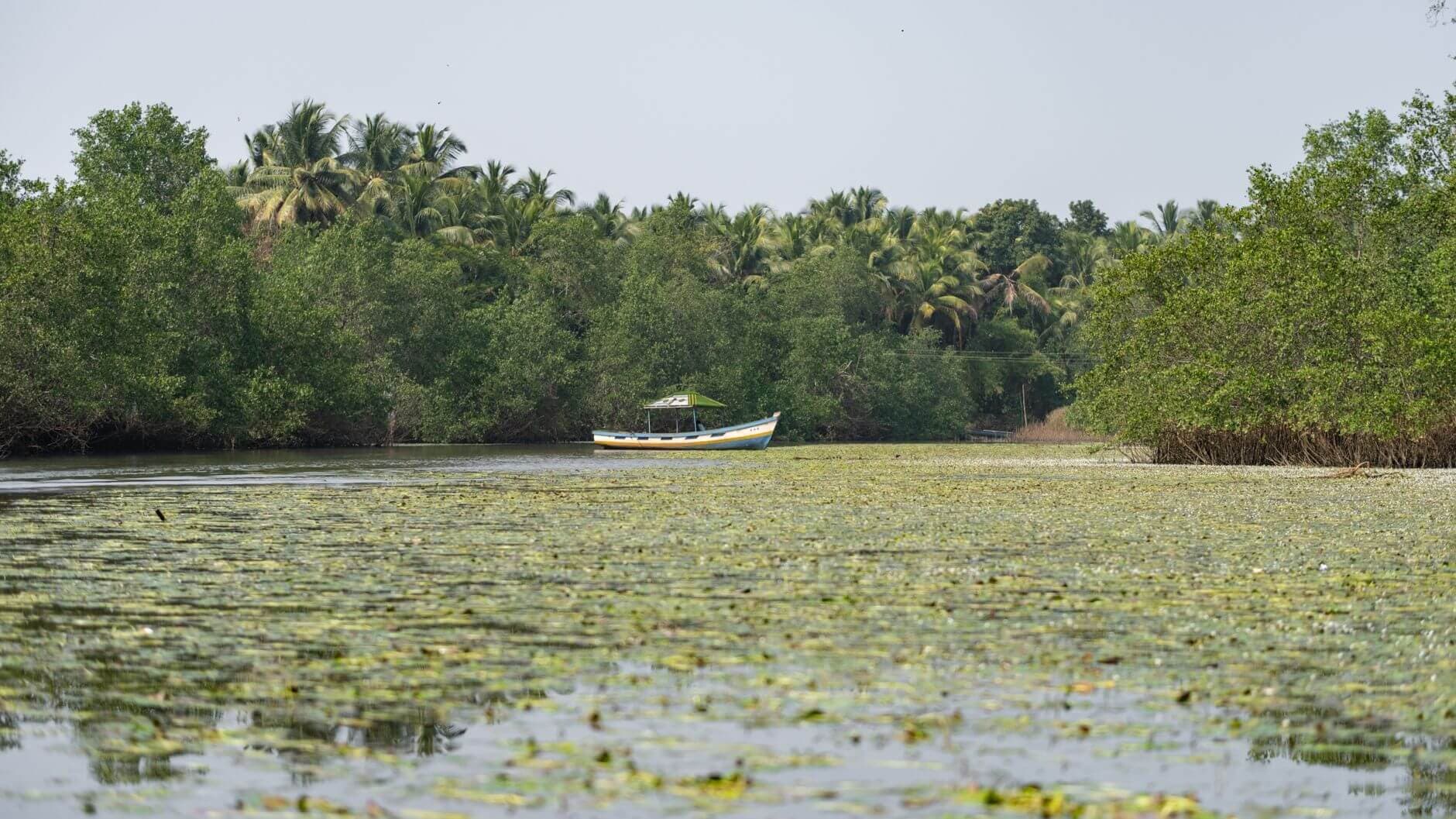
La Somone Lagoon is part of the La Somone Community Nature Reserve, a wetland of great ecological value declared a protected area. Its calm waters, lush mangroves, and sandy banks create a unique ecosystem that attracts an extraordinary diversity of aquatic, limicolous, and forest birds.
Unlike other birdwatching destinations in Africa, La Somone has the advantage of being accessible, relatively small, and perfectly explorable by kayak or canoe, which allows you to approach the birds without disturbing them. The combination of mangrove, open lagoon, and riverside vegetation offers very distinct microhabitats in a small space, something that ornithologists highly value.
Bird Species You Can See in La Somone Lagoon
The list of birds recorded in La Somone is impressive. Whether you are a beginner observer or an experienced birder, you will find species that will surprise you.
Aquatic and Limicolous Birds
- White Pelican: one of the main protagonists of the lagoon. It is common to see large groups resting on the sandy banks or fishing in formation.
- Great Egret (Ardea alba) and Grey Heron (Ardea cinerea): present throughout the year, they usually perch on the mangrove edges waiting for fish.
- Eurasian Spoonbill (Platalea leucorodia): a migratory species that visits the lagoon during the European winter months.
- Greater Flamingo: although less numerous than at Lake Rosa, flamingos occasionally appear in La Somone, especially during the rainy season.
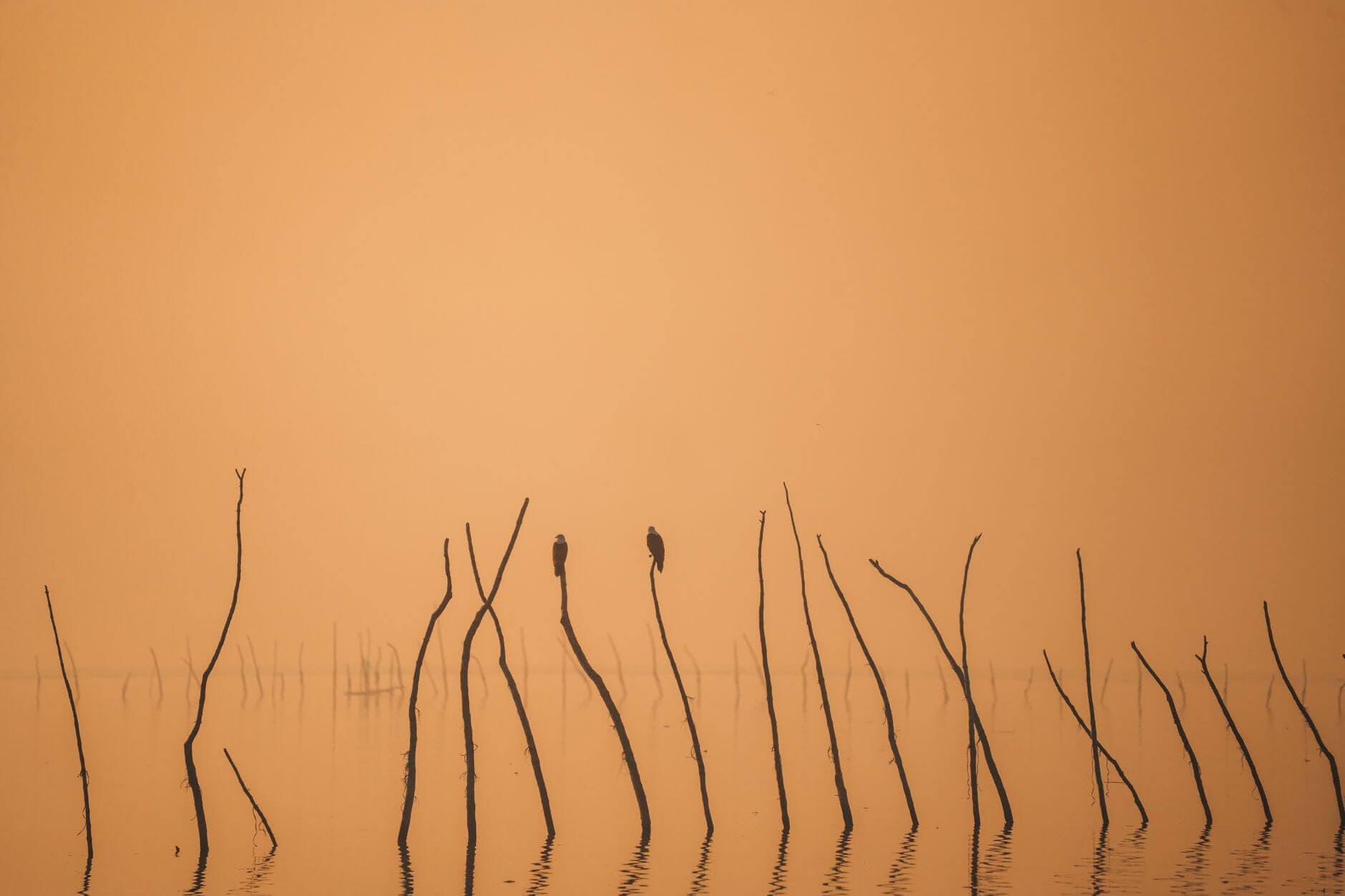
- Great Cormorant (Phalacrocorax carbo): easily recognizable when it spreads its wings to dry them in the sun on the mangrove branches.
- Malagasy Kingfisher: one of the photographers' favorites due to its vibrant plumage.
Limicolous and Shorebirds
- Kentish Plover
- Sanderling (Calidris alba)
- Black-tailed Godwit (Limosa limosa)
- Black-winged Stilt: unmistakable due to its long pink legs and striking black and white contrast.
Birds of the Mangrove and Riverside Vegetation
- Black-headed Weaver: builds its elaborate hanging nests on the branches over the water.
- Giant Kingfisher (Megaceryle maxima): the largest of the African kingfishers, difficult to confuse due to its size.
- African Reed Warbler and various species of warblers that take refuge in the dense vegetation during post-nuptial migration.
Best Time for Birdwatching in La Somone Lagoon
La Somone Lagoon offers interesting birdwatching throughout the year, but there are two particularly recommended periods:
Dry Season (November to April)
This is the peak time for birdwatching. During the boreal winter, the lagoon receives a large number of migratory birds from Europe and Central Asia fleeing the cold. The weather conditions are ideal: clear skies, pleasant temperatures, and scarce vegetation that facilitates visibility. It is the time when you can see the largest number of species simultaneously.
Rainy Season (June to October)
Although less visited by tourists, the wet season has its own ornithological charm. It is the period of breeding for many resident species, which means you can observe reproductive behaviors, active nests, and chicks. The vegetation is at its maximum splendor and the colors are spectacular, although the rain and humidity can complicate the outings.
Practical Tips for Birdwatching in La Somone
Recommended Equipment
- Binoculars: essential. A magnification of 8x42 or 10x42 is ideal for open spaces like the lagoon.
- Terrestrial Telescope (Spotting Scope): very useful for observing birds on distant sandy banks or identifying limicolous birds at a distance.
- Field Guide: we recommend a specific guide to the birds of West Africa. There are several available in digital format.
- Neutral-colored Clothing: avoid bright colors that may scare away the birds.
- Sun Protection and Insect Repellent: indispensable at any time of the year in Senegal.
How to Move Around the Lagoon
The best way to explore La Somone Lagoon is by kayak or canoe. Navigating silently through the mangrove channels will allow you to approach the birds at distances impossible from land. From NeoGeo DMC, we organize kayak excursions in La Somone with local guides who know the best spots and will help you identify the species you encounter.
You can also explore the trails that border the lagoon on foot, especially at dawn and dusk, when bird activity is at its maximum.
Respect for the Environment
- Always keep a safe distance from nests and breeding colonies.
- Do not make unnecessary noise or use sound lures that may stress the birds.
- Do not leave waste in the reserve.
- Follow the instructions of the community reserve guards.
La Somone as a Birdwatching Destination in the Context of Senegal
La Somone Lagoon is not the only point of ornithological interest in Senegal. The country is considered one of the best birdwatching destinations on the African continent, with legendary places like the Langue de Barbarie National Park, the Saloum Delta, or the Niokolo-Koba National Park. However, La Somone has the advantage of being easily accessible from the tourist area of Saly and can be combined with other attractions in the region.
If your trip to Senegal has birdwatching as its main focus, we recommend planning an itinerary that combines several wetland areas. From NeoGeo DMC, we can design customized ornithological tours that include La Somone, the Saloum Delta, and other wetlands of interest, adapted to your level of experience and the time available.
Frequently Asked Questions about Birdwatching in La Somone Lagoon
How many bird species can be seen in La Somone Lagoon?
La Somone Lagoon and its surroundings are home to records of over 200 bird species, including residents, wintering migrants, and passage migrants. The number varies depending on the time of year, with the dry season (November-April) being the richest in diversity.
Is it necessary to hire a guide for birdwatching in La Somone?
It is not mandatory, but it is highly recommended. A local guide with ornithological knowledge will help you identify species that might otherwise go unnoticed, knows the best observation points, and contributes to the community economy of the reserve.
Can I do birdwatching in La Somone without prior experience?
Of course. The lagoon is accessible to all levels. Beginners will enjoy the most showy and easy-to-identify species (pelicans, egrets, kingfishers), while advanced birders will find the challenge of identifying limicolous and more discreet mangrove species.
What is the best time of day to observe birds in the lagoon?
The early morning hours (from dawn to 9-10 am) and the late afternoon (from 5 pm onwards) are the times of greatest activity. At noon, with the intense heat, birds tend to take refuge and are harder to see.
Can birdwatching in La Somone be combined with other activities?
Absolutely. La Somone is a multifaceted destination: in addition to birdwatching, you can enjoy its beaches, practice kayaking, visit the local artisan market, or take a trip to nearby Saly. From NeoGeo DMC, we design combined itineraries so you can make the most of your stay in the region.